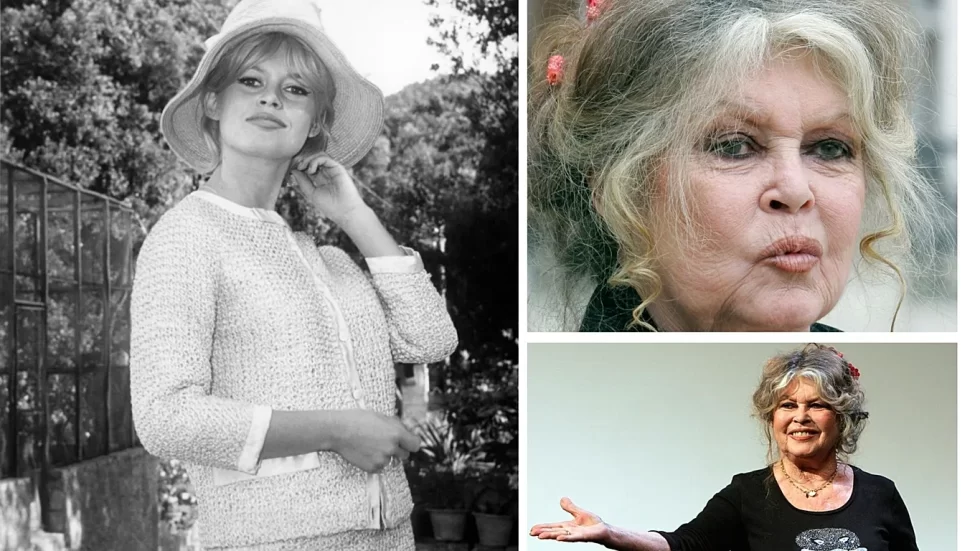
An Image That Defined an Era
The death of Brigitte Bardot at the age of 91 marks the passing of one of the most photographed and visually influential figures of the twentieth century. Few public figures left behind a visual record as powerful as Bardot’s. Through photographs, her life can be traced from youthful innocence to global stardom, and later to a fiercely committed activist who deliberately turned her back on fame.
Early Years Captured in Black and White
Bardot’s earliest photographs from the early 1950s present a poised and elegant young woman shaped classical ballet training. These images reflect discipline and restraint rather than rebellion. When she appeared in her first films, including her breakthrough in Le Trou Normand, photographers captured a new face of French cinema that felt fresh and natural at a time when glamour was still carefully constructed.
The Rise of a Global Sex Symbol
the mid to late 1950s, Bardot’s image underwent a dramatic transformation. Photographs from film sets, beaches, and festivals show a woman who redefined beauty standards. Tousled hair, sun kissed skin, and a relaxed sensuality set her apart from Hollywood stars of the era. Images from Cannes and Saint-Tropez turned her into an international sensation and helped establish a new visual language of femininity.
Saint-Tropez and the Bardot Myth
No place is more closely tied to Bardot’s photographic legacy than Saint-Tropez. Candid images of her walking barefoot along the harbor or relaxing on yachts became emblematic of freedom and modern lifestyle. These photographs did more than document her life. They transformed a quiet Mediterranean town into a global symbol of glamour and artistic escape.
Fashion Influence Through the Lens
Photographs of Bardot influenced fashion as much as cinema. From the bikini to the off shoulder dress later known as the Bardot neckline, her image shaped trends that extended far beyond France. Designers and photographers saw in her a natural elegance that rejected rigid styling. These images continue to inspire fashion editorials decades later.
Turning Away From the Camera
In the early 1970s, Bardot made a decisive break with her acting career. Photographs from this period show a visible shift. Public appearances became rare, and staged glamour gave way to guarded expressions. The camera that once followed her everywhere now became something she actively avoided. This withdrawal was itself a powerful visual statement.
A New Identity as an Activist
Later photographs document Bardot’s transformation into an outspoken animal rights activist. Gone were the playful poses and cinematic lighting. Images now showed her protesting, writing, and speaking out against animal cruelty. Through the Brigitte Bardot Foundation, she became one of Europe’s most recognizable campaigners, using her fame as a tool rather than a destination.
Public Reaction to Her Changing Image
The contrast between Bardot’s early photographs and her later activist images often sparked debate. For many, the transition was jarring. Yet this visual evolution mirrored her personal journey. She rejected the role the public had assigned her and reshaped her identity on her own terms, even when it meant controversy.
A Life Documented Through Photographs
Few figures have had their entire life narrative preserved so clearly through images. Bardot’s photographs tell a story of transformation, resistance, and reinvention. Each era of her life is visually distinct, reflecting changing values, priorities, and self perception.
An Enduring Visual Legacy
Brigitte Bardot’s life in pictures remains a cultural archive of beauty, rebellion, and conviction. From carefree youth to defiant activism, her image chronicled more than celebrity. It documented the evolution of a woman who refused to be frozen in time. Even after her passing, these photographs continue to shape how the world remembers her.