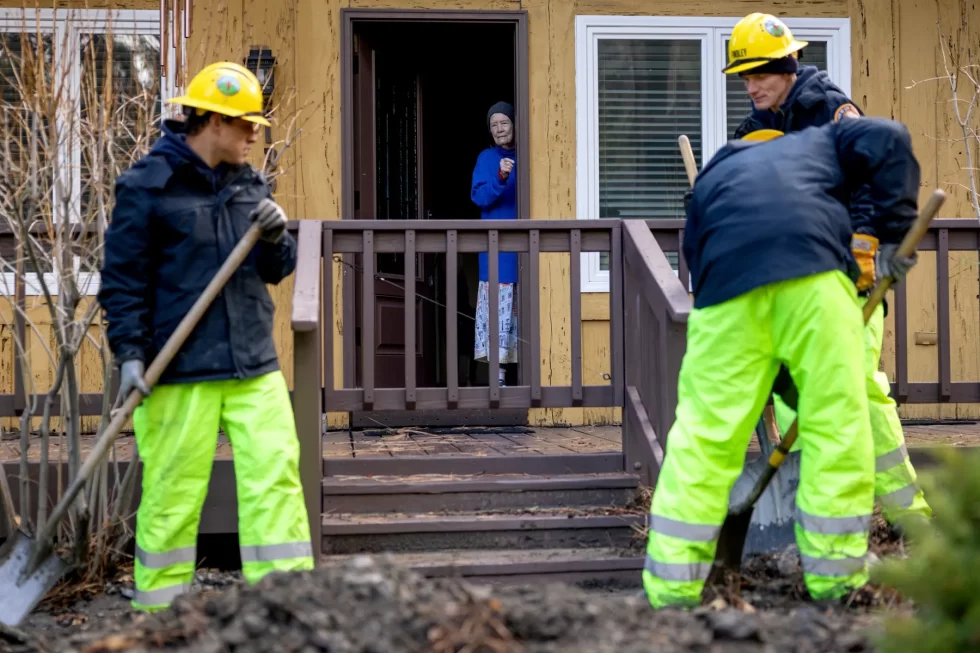
California is facing renewed flooding threats as powerful storm systems continue to move across the state, forcing authorities to extend evacuation orders in parts of Los Angeles. After days of heavy rainfall, saturated ground, and rising waterways, emergency officials warn that the risk is far from over. For many residents, the extended evacuations underscore the growing unpredictability of extreme weather and its impact on daily life.
The latest storms have arrived on top of already weakened infrastructure and unstable hillsides, increasing the danger of flash floods and mudslides. Local governments are urging residents to remain vigilant as conditions remain volatile.
Why Evacuations Remain in Place
Evacuation orders in parts of Los Angeles have been extended due to continued rainfall forecasts and concerns about soil instability. Areas near burn scars from previous wildfires are particularly vulnerable, as vegetation that once absorbed rainwater is no longer present to stabilize slopes.
Emergency services have emphasized that even moderate rainfall can trigger sudden flooding in these zones. Creeks and drainage systems, already under strain, have limited capacity to absorb additional runoff. Officials stress that evacuation decisions are being made out of caution rather than panic, prioritizing public safety over convenience.
Infrastructure Under Pressure
Flooding has placed intense pressure on California’s infrastructure, exposing long standing vulnerabilities. Roads have been submerged, power outages reported, and stormwater systems overwhelmed. In urban areas, rapid runoff has turned streets into temporary rivers, disrupting transport and emergency access.
In some neighborhoods, residents have expressed frustration over repeated evacuations and property damage. However, authorities note that climate driven weather patterns are increasing the frequency of such events, making preparedness a constant challenge rather than an occasional concern.
The Human Impact of Repeated Storms
For displaced residents, extended evacuations take a toll beyond physical damage. Families face uncertainty over when they can safely return home, while businesses struggle with closures and lost income. Shelters have been set up to accommodate evacuees, but prolonged displacement adds emotional strain to already stressful situations.
Community organizations and volunteers have stepped in to provide support, offering food, temporary housing assistance, and information. These efforts highlight the importance of local resilience during prolonged emergencies.
Climate Patterns and Flood Risk
Meteorologists point to shifting climate patterns as a key factor behind California’s increased flood risk. Warmer atmospheric conditions allow storms to carry more moisture, resulting in heavier rainfall over shorter periods. When these storms hit drought hardened or fire damaged land, water is unable to absorb into the ground effectively.
This combination creates a cycle of extremes, where dry periods are followed intense rainfall, amplifying flood potential. Experts warn that without significant investment in flood management and land use planning, similar scenarios are likely to recur.
Government Response and Preparedness
State and local authorities have activated emergency response plans, coordinating between fire departments, law enforcement, and disaster agencies. Efforts include monitoring waterways, clearing debris from drainage channels, and pre positioning rescue teams in high risk areas.
Officials continue to urge residents to follow evacuation orders and avoid flooded roads. Even shallow water can pose serious risks, particularly when currents are strong or debris is present.
What Residents Should Expect Next
Weather forecasts suggest additional rainfall is possible, keeping flood risks elevated in the coming days. Authorities are preparing for rapid response should conditions worsen, while also assessing damage from previous storms.
For Californians, the extended evacuations serve as another reminder of the changing nature of environmental risk. As extreme weather becomes more frequent, adaptation and preparedness are becoming essential parts of life.
Looking Ahead
The situation in California reflects a broader challenge facing many regions worldwide. Flooding events once considered rare are becoming more common, forcing communities to rethink infrastructure, emergency planning, and long term resilience.
As Los Angeles residents wait for conditions to improve, the focus remains on safety and recovery. The coming weeks will likely prompt renewed debate about how California can better protect its communities in an era of increasingly volatile weather.