Introduction
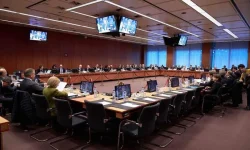
Brussels. In what may be the most relatable economic scandal of 2025, the European Central Bank has officially denied allegations that it printed euros using Canva templates. However, sources inside the ECB quietly admit that interns were experimenting with WordArt on the 50 euro note mock-ups. This revelation has set Gen Z Twitter ablaze with memes, speculation, and sarcasm. Economists insist the money supply is under control, but the memes suggest otherwise as euro symbols now trend alongside dancing emojis and GIFs mocking bureaucratic incompetence.
WordArt and the New Euro Economy
Interns allegedly created prototype notes using rainbow WordArt text effects for internal presentations. While these were never intended for circulation, the online rumor mill quickly transformed them into viral content. TikTok videos show students mimicking Euro production using colorful fonts and glitter overlays, suggesting that monetary policy is now a design challenge for Gen Z aesthetics. Meme commentary includes lines like “ECB says everything is fine, I just saw a 20 euro note in Comic Sans” and “My savings are now stylized in Papyrus. Thanks, ECB,” highlighting the absurdity of traditional economic institutions intersecting with internet humor. Analysts suggest that while the WordArt incident is trivial, the viral reaction underscores generational disconnect between formal finance and social media culture.
Meme Culture Meets Monetary Policy
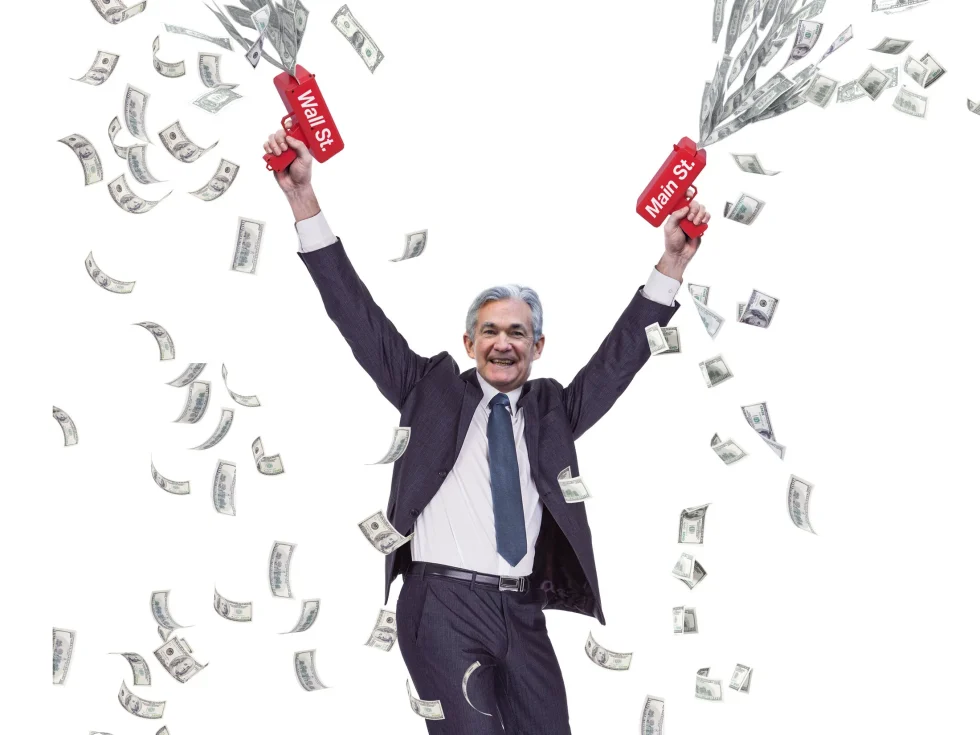
As inflation rises across the EU, the meme community has embraced the ECB WordArt story as both a humorous outlet and a commentary on real economic frustrations. Young adults create parodies showing euro bills performing TikTok dances accompanied captions like “Interest rates do the cha cha, my savings do the flop.” Portuguese locals add local flair inserting pastel de nata and tram emojis alongside currency memes. Social media humor serves as both a coping mechanism and a satirical critique of bureaucracy, showing that Gen Z is finding ways to digest economic reality with comedy. Tweets mock the official statement “Everything is under control” with images of euro bills on roller skates and coffee mugs featuring Eurozone charts.
Surviving the Meme Economy
In response to rising prices and bureaucratic absurdity, Gen Z Lisbonites have adapted in unconventional ways. Some offer meme consulting services to landlords and local cafés, others monetize TikTok dances explaining inflation and interest rate decisions. Dogecoin and other cryptocurrencies are increasingly used as side hustles or rent payments, adding another layer of humor to financial survival. Advice from online threads includes trading viral memes for pastries like pastel de nata using crypto apps as intermediaries. Social commentary suggests that learning to meme about bureaucracy may soon become an essential life skill alongside budgeting and spreadsheet mastery.
Fake or Real Poll
Do you believe the ECB actually used Canva or WordArt in euro designs?
- Definitely fake but hilarious
- Probably true I mean interns exist
- Who cares I just want cheaper coffee
- Not sure but I will make a meme anyway
Tweetboard – Gen Z Reactions
- “ECB says no Canva but yes WordArt. My savings now look like a 2005 PowerPoint slide #EUFinance”
- “Inflation explained via TikTok dance. Euro in Comic Sans. Living the dream #LisbonLife”
- “Dogecoin tacos now accepted for rent. Interns approve #GenZFinance”
- “Pastel de nata with every bank note please #MemeEconomics”
- “My €50 note is glittered. I feel richer somehow #FinanceHumor”
The Satirical Take on Serious Finance
The ECB WordArt saga is more than comedy. It highlights the absurdity of navigating complex monetary systems while living in a hyper-connected social media world. Memes have become a generational currency themselves, translating financial stress into shareable humor. Analysts note that while euro stability remains intact, these viral stories capture attention and awareness of policy decisions in ways traditional reporting cannot. Lisbon cafés and local businesses even leverage these memes in marketing campaigns, posting TikTok videos showing euro bills dancing while explaining coffee price changes.
Conclusion
The ECB WordArt story illustrates the collision of serious finance and internet meme culture showing how young Europeans process economic uncertainty with humor and creativity. Gen Z finds relief and engagement through memes TikTok duets and sarcastic tweets while traditional institutions scramble to maintain credibility. Lisbon residents blend crypto side hustles local pastries and viral content to survive rising costs and bureaucratic absurdities. The lesson is clear in 2025 surviving EU inflation and central bank antics requires humor memes and sometimes a dance routine.