Viral choreography becomes a medium of exchange.
Alexandra Chen | Stablecoin & Regulation Analyst
Dancing for Dollars
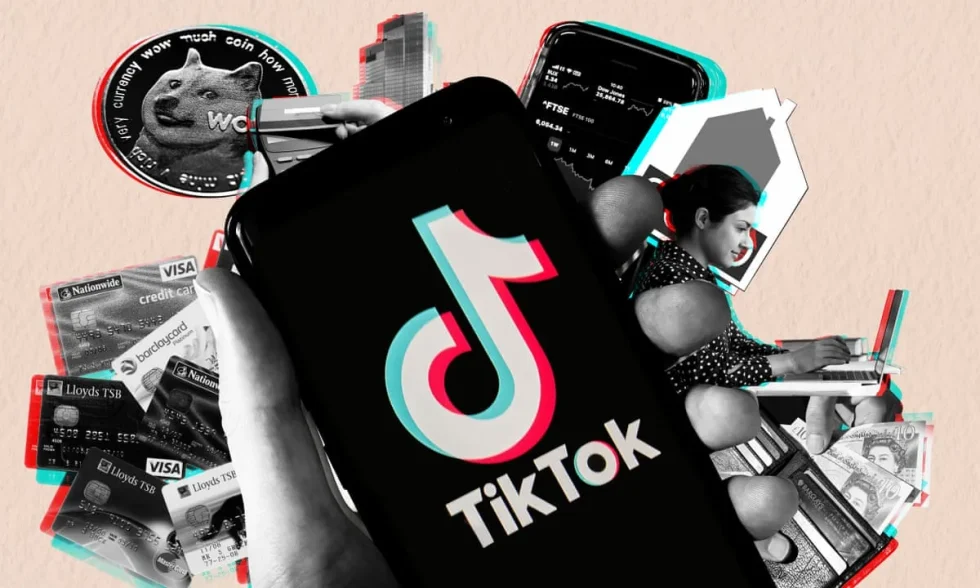
In a surprising twist to modern economics, consumers have begun using TikTok dances as a barter system to pay for goods and services. What started as a joke in one small community has now grown into a global trend, with businesses accepting viral routines in place of cash or credit.
A café in Los Angeles pioneered the idea offering free coffee to customers who performed trending dances. Within weeks, restaurants, salons, and even gyms began participating, creating a parallel economy where liquidity depends on rhythm and moves.
How It Works
Each dance is assigned a rough market value depending on its popularity. A simple shuffle might get you a free muffin, while a complex routine involving backflips and transitions could cover dinner for two. Merchants record the performances, post them on social media, and monetize the views, creating a cycle where exposure offsets lost revenue.
Some platforms have even created “dance exchanges,” where choreographies are priced and traded like commodities.
Market Reactions
Investors quickly jumped in. Hedge funds hired choreographers to coach interns, while fintech startups developed apps to verify dance authenticity. Meme tokens like $DANCE and $VIBE spiked as traders speculated on the value of viral trends.
Traditional economists struggled to adapt. “GDP cannot account for TikTok dances as currency,” complained one analyst.
Public Response
Citizens embraced the novelty. TikTok was flooded with clips of people paying rent, buying pizza, and even negotiating car leases through dance. Twitter hashtags like #DanceEconomy and #PayWithMoves trended worldwide.
One viral meme showed a landlord demanding tenants perform the Renegade before handing over keys. Another depicted a lawyer being paid in Fortnite dances after winning a case.
Political Fallout
Lawmakers debated whether to regulate the dance economy. Some argued it democratizes commerce rewarding creativity. Others worried about tax evasion, asking how to assign value to choreography.
One senator asked, “If a TikTok pays for groceries, do we tax it as income or entertainment?”
Expert Opinions
Dr. Omar Hossain dismissed the trend as unsustainable. “Rhythm cannot replace revenue streams,” he argued.
Dr. Emily Carter countered that dance-as-currency reveals the fluidity of value. “Economics has always been about shared belief. If millions agree a dance has value, it functions like money.”
Conclusion
The rise of TikTok dances as currency highlights the absurdity and adaptability of modern economies. Whether it is a fad or the future, one fact is clear: in 2025, financial literacy may require not just math but choreography.
Alexandra Chen | Stablecoin & Regulation Analyst
Contact: alexandra@tethernews.net