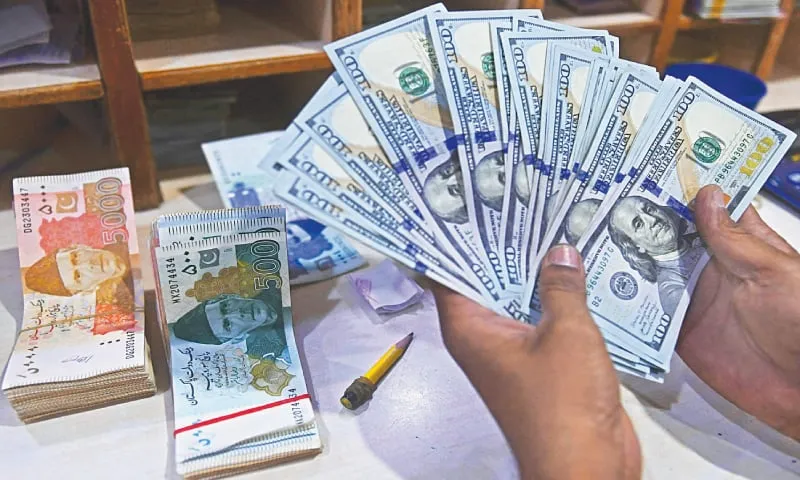
Portugal has entered one of its most amusing national debates yet as citizens discuss the idea of replacing traditional currency with a tapas based system. The proposal began as a lighthearted conversation online, where people joked that small plates are already a form of social economy. What started as a playful suggestion quickly grew into a nationwide discussion filled with humor, creativity, and surprising enthusiasm. Many argued that tapas represent community, sharing, and culture, making them a perfect symbol for everyday transactions.
As the idea spread, social platforms filled with mock policy charts, pretend currency designs, and funny scenarios of people paying bills with olives and cheese bites. Even though the concept is not realistic, the debate has captured the imagination of citizens who enjoy reimagining the economy through food and laughter. The tapas idea has become a charming reflection of Portugal’s ability to turn serious topics into joyful conversations.
Why citizens are entertained a tapas based currency idea
The most important reason this concept gained traction is the cultural importance of food in Portuguese daily life. Tapas, or petiscos, are more than meals. They are social moments that bring people together. Citizens found it funny and heartwarming to imagine a currency system built on something that represents connection rather than stress. The idea resonates because it blends nostalgia and humor in a familiar setting.
Another reason is the public’s desire for relief from financial pressure. Many people feel overwhelmed modern economic issues, and the thought of a playful, food based currency offers a moment of escapism. Imagining rent paid in fried cod bites or utility bills settled with garlic shrimp became a humorous way for citizens to laugh through daily challenges.
The idea also reflects the creative spirit of online communities. People love participating in imaginative debates that transform everyday concerns into entertaining stories. The tapas currency sparked conversation because it allowed people to contribute jokes, images, and light commentary.
Creative suggestions from citizens fuel the debate
Citizens quickly began offering clever ideas to expand the concept. Some proposed premium tapas as “high value” notes, while others joked that dessert plates should count as rare collectibles. A few even suggested using toothpicks as coins or implementing exchange rates based on plate size.
Mock diagrams appeared showing tapas inflation charts and economic models explaining how sardine skewers could become a stable national asset. These playful additions helped the debate grow far beyond its original joke.
Restaurants join the fun with themed promotions
Restaurants across Lisbon leaned into the trend offering tapas themed discounts and humorous menu redesigns. Some added fictional prices like “one mini economy plate” or “three snack credits.” Others placed stickers on tables encouraging customers to imagine what life would look like if tapas truly held monetary value.
Tourists enjoyed the trend as well, taking photos of the themed menus and sharing them online. For restaurants, this provided a fun way to attract customers and join a national conversation already filled with charm and laughter.
Experts respond with humor and gentle clarifications
Economists were asked to comment on the viral debate, and many responded with light humor. They acknowledged the creativity of the idea while explaining that food based economies would be difficult to manage. They added that tapas spoil quickly, which makes them poor long term stores of value.
Despite the clarifications, experts appreciated the spirit behind the conversation. Some even suggested that the government could host a cultural event celebrating the trend instead of attempting any real economic shift.
Conclusion
The debate about switching to a tapas based currency system has become a delightful national moment filled with humor and cultural pride. While the idea is far from practical, it has united citizens in a playful discussion that celebrates food, community, and imagination. The trend proves that Portugal can find joy even in complex economic conversations keeping creativity at the center.