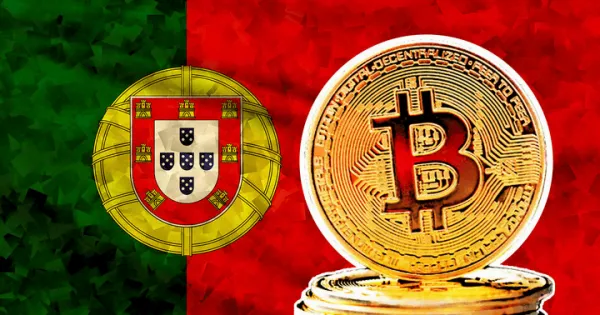
Crypto adoption in Portugal is showing signs of slowing in 2025 as stricter compliance requirements reshape the digital asset landscape. Once considered one of Europe’s most crypto friendly environments, Portugal is now adjusting to tighter oversight aligned with European Union standards. These changes are influencing user behavior, business operations and overall market activity.
While crypto remains present in Portugal’s financial ecosystem, the pace of growth has moderated. Increased regulatory scrutiny has introduced new barriers for casual users and smaller firms. At the same time, policymakers argue that stronger compliance is necessary to support long term stability and protect consumers.
Tighter Compliance Changes User Participation
The most important factor behind slower crypto adoption is the expansion of compliance obligations for users. Enhanced identity verification, transaction monitoring and reporting requirements have altered how individuals engage with digital asset platforms. For some users, these measures reduce convenience and increase friction.
Casual participants who were drawn to crypto for its accessibility are more hesitant to engage under stricter rules. As a result, transaction volumes among smaller retail users have softened. However, more experienced users remain active, suggesting a shift toward a smaller but more compliant participant base.
Crypto Firms Face Higher Operational Barriers
Crypto service providers operating in Portugal are also adjusting to higher compliance expectations. Licensing requirements, governance standards and ongoing reporting obligations have increased operational complexity. Smaller startups face challenges meeting these demands, particularly those with limited financial and legal resources.
Some firms have scaled back offerings or delayed expansion plans in response. Others are pursuing partnerships or consolidation to remain competitive. While the environment has become more demanding, companies that successfully adapt may benefit from increased trust and market legitimacy.
Market Activity Becomes More Institutional
As retail participation slows, institutional involvement is becoming more prominent. Banks, fintech firms and regulated financial institutions are cautiously exploring crypto related services within the new regulatory framework. Clear rules reduce uncertainty and support structured participation from established players.
This shift toward institutional activity reflects a broader trend toward market maturity. While overall adoption growth has slowed, the quality and scale of participation are evolving. Analysts suggest that institutional engagement could support long term development even as short term activity moderates.
Portugal’s Crypto Identity Continues to Evolve
Portugal’s reputation as a crypto hub is changing rather than disappearing. The country is transitioning from a lightly regulated environment to one that emphasizes compliance and alignment with EU policy. This evolution affects how Portugal is perceived international participants and investors.
Some innovation driven activity may relocate to jurisdictions with looser rules, while compliance focused firms remain. This rebalancing could redefine Portugal’s role within the European crypto ecosystem. Policymakers face the challenge of maintaining competitiveness while upholding regulatory standards.
Conclusion
Crypto adoption in Portugal is slowing as compliance rules tighten and market participants adjust to increased oversight. While stricter regulations reduce accessibility for some users and firms, they also support greater stability and institutional confidence. Portugal’s crypto market is entering a more mature phase, shaped regulation, compliance and long term sustainability.