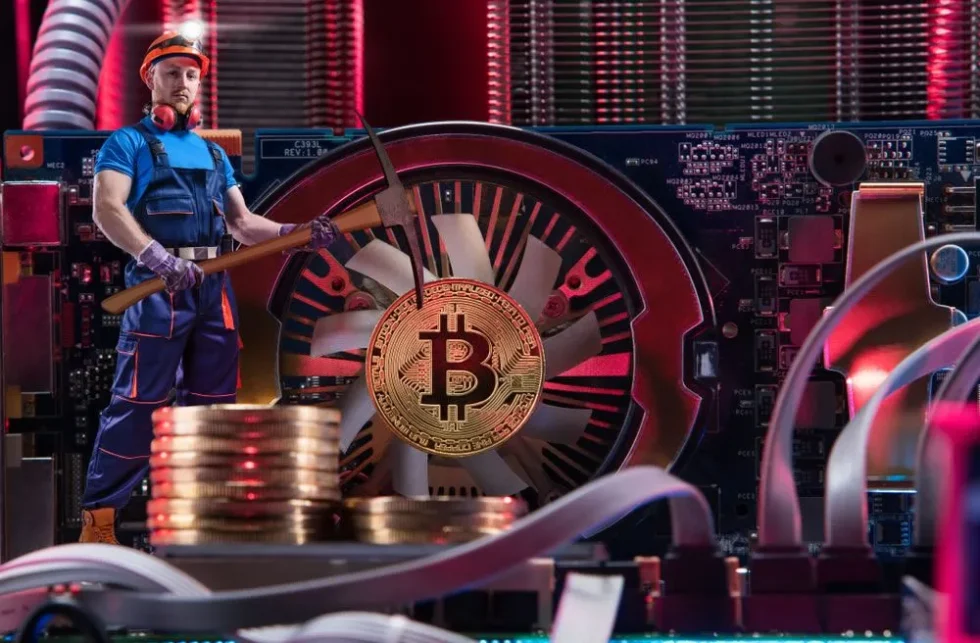
Environmentalists call it the warmest pump-and-dump yet.
Alexandra Chen | Stablecoin & Regulation Analyst
A Heated Excuse
As global temperatures soared to record highs this summer, crypto miners worldwide found themselves facing renewed criticism for their massive energy consumption. Yet this time, they had an unusual explanation: it was not electricity that caused the heatwave, but the “emotional output” of overworked GPUs.
Speaking at a press conference, a spokesperson for a major mining consortium claimed, “Our graphics cards are not just processing numbers, they are processing feelings. The more volatile the market, the hotter they get. This is a climate crisis of emotion, not energy.”
How the Theory Emerged
The idea originated on a crypto forum where miners noticed that their rigs ran hotter during market crashes. Instead of attributing the spikes to increased computational load, some argued the GPUs were “panicking” in sympathy with investors.
Soon, a pseudonymous user published a paper titled The Emotional Ecology of Mining Machines, suggesting that mining hardware emits “thermal stress signals” whenever Bitcoin dips below key levels. Within days, the theory spread across social media, gaining traction among miners looking for an alternative to environmental blame.
Market Reactions
Markets reacted with equal parts amusement and skepticism. Bitcoin’s price wavered as traders joked about “climate-driven capitulation.” Meme tokens like $HOT and $GPU surged briefly, with one exchange even launching futures contracts based on “sentiment-driven overheating.”
Some hedge funds mocked the theory but still hedged positions monitoring global weather forecasts. “If miners are serious about emotional GPUs, we have to price that into volatility,” said one analyst with a smirk.
Public Response
Public reaction was swift and sarcastic. TikTok creators filmed sketches of GPUs crying when Bitcoin dropped and grinning when it pumped. Hashtags like #HotGPU and #MiningFeels trended, while Twitter was filled with jokes comparing miners to therapists for stressed-out hardware.
One viral meme showed a miner holding a fan over a GPU with the caption: “Calm down, buddy, it’s just a dip.” Another depicted Earth sweating profusely while surrounded rigs labeled “emotional support machines.”
Environmental activists were less amused. One campaigner noted, “Whether it’s kilowatts or imaginary GPU tears, the result is the same: more heat, more emissions, and more damage.”
Political Fallout
Lawmakers seized on the controversy. In Europe, regulators called for stricter caps on mining, mocking the “emotional GPU” excuse as greenwashing. In the United States, a congressional hearing featured a heated exchange where one senator asked, “Are you seriously telling me climate change is caused sad computers?”
Mining lobbyists defended their position, suggesting governments should fund research into “machine emotion management” rather than imposing energy restrictions. Some even proposed mental health support programs for GPUs, complete with meditation software to keep rigs “zen.”
Expert Opinions
Economists largely dismissed the theory. Dr. Omar Hossain described it as “a desperate attempt to dodge accountability.” He added, “Mining rigs don’t have emotions. This is anthropomorphism at its most absurd.”
Dr. Emily Carter, however, offered a more cultural interpretation. “Whether miners believe GPUs have feelings or not, the narrative reflects the industry’s struggle to humanize itself. reframing energy waste as empathy, they attempt to soften their image.”
Computer scientists laughed off the claims but admitted the symbolism was powerful. One professor said, “GPUs don’t cry, but if imagining them as emotional helps people grasp the absurdity of crypto mining, then maybe it serves a purpose.”
Symbolism in the Absurd
Cultural critics suggested the story symbolizes the absurdity of modern capitalism: machines meant to calculate math equations are reimagined as emotional beings, while the planet itself overheats. One columnist wrote, “We anthropomorphize GPUs to avoid acknowledging our own responsibility. It’s not the rigs that panicit us.”
Satirists seized the theme, comparing GPU “feelings” to the emotional labor of humans in precarious jobs. A cartoon depicted rigs in therapy sessions, confessing their burnout to sympathetic servers.
Conclusion
The claim that GPUs caused the global heatwave through emotional stress may be laughable, but it reflects the crypto industry’s ongoing struggle to manage public perception. As scrutiny intensifies, excuses grow stranger, merging science fiction with financial spin.
In 2025, mining rigs may not truly feel emotions, but investors and citizens certainly do. And as the planet warms, no amount of satire can hide the heat.
Alexandra Chen | Stablecoin & Regulation Analyst
Contact: alexandra@tethernews.net