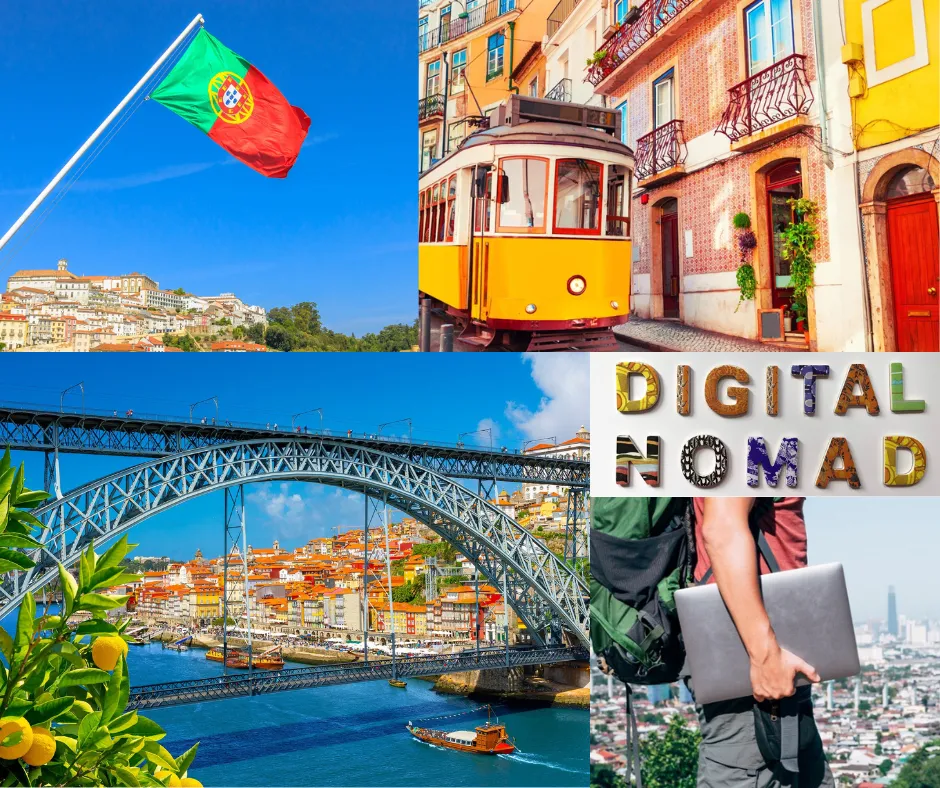
Portugal has become one of the most popular destinations for digital nomads who are redefining how economies function in the twenty-first century. With its mild climate strong internet connectivity and relaxed lifestyle the country offers an ideal environment for remote workers. Lisbon and Porto in particular have seen an influx of freelancers entrepreneurs and tech specialists who are attracted Portugal’s affordable living standards and welcoming visa policies. This demographic shift is reshaping the local economy from housing demand to small business innovation and cultural exchanges.
The Digital Nomad Visa and Policy Framework
The Portuguese government introduced the digital nomad visa to attract skilled professionals working remotely for foreign companies. The initiative allows individuals to live and work in Portugal for up to a year with options to extend or transition to longer-term residence. This program was designed to blend immigration flexibility with fiscal responsibility ensuring that nomads contribute to the national economy without burdening public services. The success of the policy has drawn attention from other EU countries seeking to balance talent attraction and regulatory control. Lisbon’s proactive stance has positioned Portugal as a case study in remote work governance within Europe.
Economic Impact on Urban Development
The growing number of remote workers has created a new layer of demand in Portugal’s urban centers. Coworking spaces cafes and short-term rentals have multiplied across Lisbon’s districts such as Alcântara and Santos. Real estate developers are adapting properties to serve the hybrid work lifestyle adding high-speed connections and shared office amenities to residential projects. While this growth has stimulated construction and service industries it has also fueled debates about rising rents and housing affordability for locals. The government has responded proposing balanced tax reforms and incentives for long-term leases to avoid the displacement of local communities.
The Startup Ecosystem and Foreign Talent
Digital nomads are not just consumers but contributors to Portugal’s innovation ecosystem. Many have launched startups in fintech design marketing and software development using Lisbon as a base to reach global markets. The cross-pollination of ideas between foreign entrepreneurs and Portuguese firms has created a dynamic startup culture supported hubs like Second Home and Beta-i. This convergence of global and local talent has increased Portugal’s visibility in the international innovation circuit. The presence of experienced professionals has also raised the skill level of the local workforce especially in tech and creative industries.
Cultural Transformation and Lifestyle Economy
Lisbon’s identity is evolving as global professionals settle into Portuguese life. The cultural exchange between locals and expatriates has enriched the social landscape. New international schools boutique gyms and cultural events have emerged to cater to the hybrid community. Restaurants and cafes now serve global cuisines reflecting the diversity of residents. This fusion of cultures has made Lisbon one of Europe’s most cosmopolitan yet affordable capitals. However some critics argue that the growing foreign population risks diluting traditional Portuguese culture and community ties. To address this concern local organizations have begun promoting cultural preservation through art markets and heritage festivals.
Challenges of Integration and Social Equity
While the digital nomad boom has brought prosperity it also presents challenges. The widening income gap between international workers and local residents is a growing concern. Many remote professionals earn salaries from tech firms based in the United States or Western Europe which inflates local prices. Policymakers are exploring solutions such as differential tax brackets and incentives for nomads to invest in community development. Universities and think tanks are studying the long-term social impact of the trend including shifts in consumer behavior and public service demand. Lisbon’s inclusive governance model aims to ensure that digital transformation does not deepen inequality.
The Future of Work in Portugal
Portugal’s success with digital nomads represents more than a temporary economic trend. It signals a deeper transformation in how nations compete for talent. combining lifestyle appeal with strategic regulation Portugal has built a sustainable model that other countries may follow. The integration of global workers into the local economy supports innovation tourism and cultural diversity. At the same time the government’s emphasis on balanced development ensures that growth remains inclusive. As remote work becomes a permanent part of the global economy Portugal is expected to strengthen its position as a leading hub for international professionals.
Long-Term Outlook
The digital nomad phenomenon has given Portugal a new narrative in the European context. No longer viewed solely as a tourist destination the country is now recognized as a knowledge economy powered creativity and connectivity. The combination of infrastructure readiness and cultural openness will continue to attract global professionals. Lisbon’s challenge is to preserve its authenticity while accommodating rapid modernization. If managed effectively the digital nomad movement could help Portugal become one of the most innovative and resilient economies in Europe while maintaining its reputation for warmth and community.