Relations between France and Italy have come under renewed strain following a public exchange between President Emmanuel Macron and Italian Prime Minister Giorgia Meloni over the killing of a French far right activist during clashes in Lyon.
The dispute was triggered after Meloni described the death of 23 year old Quentin Deranque as a wound for all of Europe, linking the incident to what she called groups associated with left wing extremism. Her remarks were made on social media and quickly drew attention across European political circles.
Macron responded sharply during an official visit abroad, criticising what he characterised as nationalist leaders commenting on internal matters of other countries. When asked directly whether his remarks were aimed at Meloni, the French president confirmed that they were.
The incident at the centre of the diplomatic tension occurred during protests in Lyon, where Deranque sustained fatal injuries after being beaten. French prosecutors have since charged seven individuals with murder in connection with the case. Among those facing charges is an assistant to a lawmaker from France Unbowed, the left wing political party known its French acronym LFI.
According to the Lyon prosecutor’s office, the aide has been charged with complicity through instigation and placed in pre trial detention. Eleven people were initially arrested as part of the investigation. Legal representatives for the suspects have stated that they deny responsibility for delivering the fatal blows, though some acknowledge being present during the altercation.
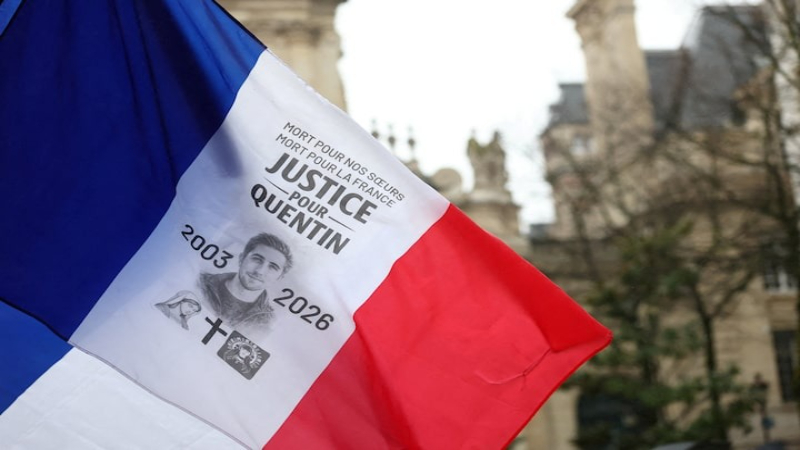
The killing has sparked intense debate within France, placing pressure on LFI while also providing momentum to the far right National Rally, which has framed the case as evidence of political violence targeting its ideological camp. Public gatherings have taken place in Paris and other cities, with demonstrators calling for justice.
The diplomatic exchange between Macron and Meloni reflects broader differences between the two leaders. Macron, a pro European centrist, and Meloni, who leads a conservative government and maintains close ties with Washington, have previously disagreed on issues ranging from European policy coordination to security and trade matters.
In a formal response to Macron’s comments, the Italian Prime Minister’s office expressed surprise at the criticism, stating that Meloni had merely conveyed sorrow and concern over the tragic death of a young man.
As investigations into the Lyon incident continue, the episode underscores how domestic political violence can reverberate across borders, especially when it intersects with broader ideological divides within the European Union.