The petition argues memes stabilize mental health during market crashes.
Alexandra Chen | Stablecoin & Regulation Analyst
A Petition With Bite
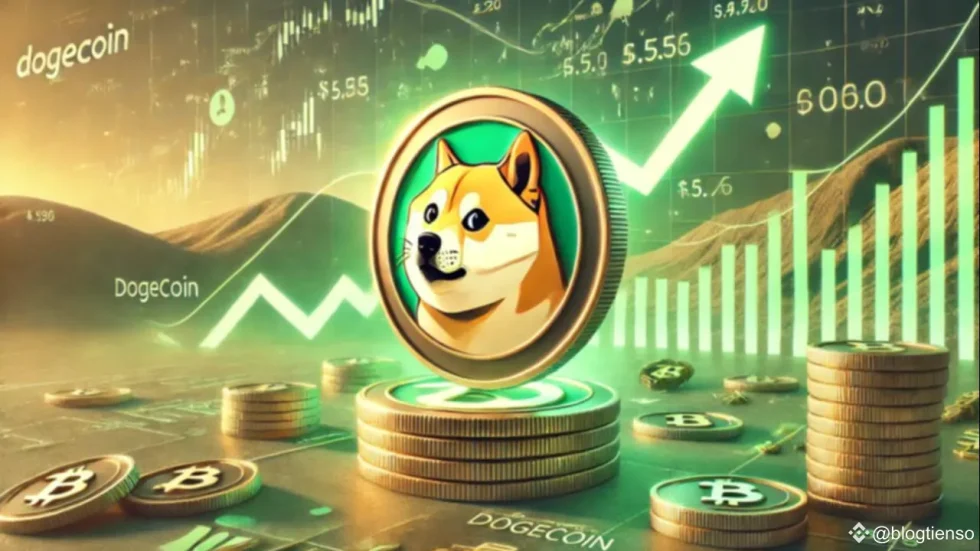
Dogecoin, the meme-inspired cryptocurrency featuring the iconic Shiba Inu dog, has always been associated with humor and community spirit. But this week, holders of the coin launched a surprising campaign: a petition to have Dogecoin investors recognized as “emotional support investors.”
The proposal, filed online and quickly gathering thousands of signatures, argues that Dogecoin is more than a speculative asset. Supporters claim it provides genuine mental health benefits during market downturns. “When Bitcoin crashes, I cry. When Dogecoin crashes, at least the memes make me laugh,” wrote one supporter.
Why Emotional Support?
Advocates argue that Dogecoin’s origins as a joke make it uniquely resilient against market despair. Unlike traditional stocks or serious cryptocurrencies, Dogecoin investors often greet losses with humor, memes, and community bonding.
The petition insists this dynamic mirrors the role of emotional support animals, offering comfort during stressful events. “You cannot cuddle a Bitcoin,” one investor explained. “But you can scroll through Dogecoin memes at 3 a.m. and feel like everything will be okay.”
Market Reactions
The financial world reacted with a mix of laughter and disbelief. Some analysts dismissed the petition as unserious, while others admitted the concept highlighted a real truth about investor psychology.
Markets briefly reflected the buzz. Dogecoin prices ticked upward as retail traders rallied behind the campaign. Meme tokens such as $WOW and $BARK also surged, riding the wave of canine-inspired optimism. A brokerage firm even announced a trial service called “Dogecoin Therapy,” offering clients complimentary stress balls shaped like Shiba Inu dogs.
Public Response
Social media erupted with enthusiasm. TikTok was flooded with videos of investors hugging Dogecoin plush toys under hashtags like #EmotionalSupportInvestor and #DogeTherapy.
One viral meme depicted a financial advisor handing out Dogecoin as antidepressants, labeled “Take two coins and call me in the morning.” Another showed a therapy dog holding a sign that read: “Will work for Doge.”
Reddit forums buzzed with debates about whether Dogecoin truly provides resilience. Some shared personal stories about how the coin’s humor had prevented them from panic-selling during stressful crashes. Others confessed they stayed in crypto solely because Dogecoin made the chaos feel bearable.
Political Fallout
The campaign soon drew the attention of policymakers. While some lawmakers ridiculed the idea, others cautiously acknowledged the importance of mental health in financial markets. “If people genuinely find comfort in Dogecoin, perhaps regulators should pay attention,” one European official remarked.
In the United States, the Securities and Exchange Commission sidestepped direct comment but noted that “emotional stability is not currently a category in investor protections.” A few lawmakers joked about introducing a “Therapy Token Act” to recognize meme-based financial wellness.
Expert Opinions
Economists were divided. Dr. Omar Hossain dismissed the petition as absurd. “Markets need structure, not therapy animals disguised as tokens,” he said. “Confusing humor with financial stability is dangerous.”
Dr. Emily Carter offered a softer take. “Markets are emotional nature. If Dogecoin helps investors cope with volatility, it performs a psychological service. Dismissing that ignores the human side of finance.”
Behavioral scientists added that humor often mitigates stress. One researcher explained, “Laughter releases dopamine, which counteracts fear. If Dogecoin provides laughter, then in some ways, it truly supports emotional well-being.”
Symbolism in the Absurd
Cultural critics argue the petition reflects deeper anxieties about modern finance. Traditional systems promise rationality but deliver stress and inequality. Dogecoin, absurd as it seems, provides community, joy, and relatability.
One columnist wrote, “Dogecoin may never replace dollars, but it has already replaced therapy for a generation of meme traders.” Another noted the irony that a coin created to mock speculation now serves as a coping mechanism for speculative excess.
Conclusion
The campaign to recognize Dogecoin holders as emotional support investors may never pass into law, but it highlights how meme finance intersects with mental health. In an age where markets swing wildly and investors face constant stress, humor and community can be as powerful as spreadsheets and charts.
In 2025, whether or not Dogecoin becomes an official emotional support asset, one fact remains: sometimes laughter is the best hedge against volatility.
Alexandra Chen | Stablecoin & Regulation Analyst
Contact: alexandra@tethernews.net