Eurozone shocked as “lower plz ” wins 68% of votes.
Alexandra Chen | Stablecoin & Regulation Analyst
A Social Media Blunder
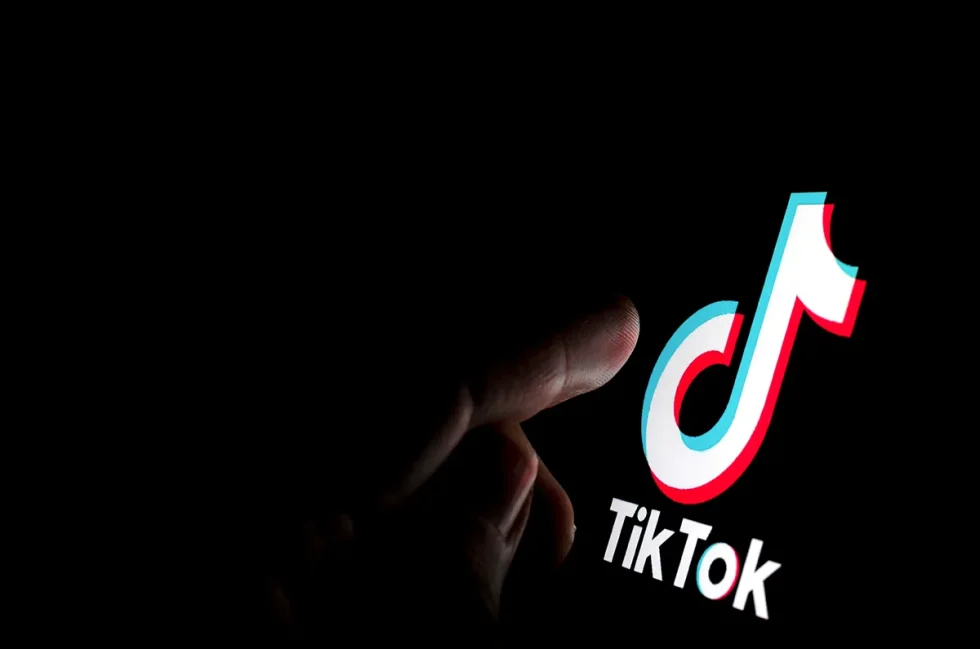
The European Central Bank found itself in the middle of an unprecedented controversy this week after mistakenly linking its official monetary policy survey to TikTok’s polling feature. Instead of consulting economists, bankers, and data models, the governing council unwittingly allowed millions of TikTok users to decide the fate of eurozone interest rates.
The poll, posted under the ECB’s official account, asked a simple question: “Should we raise rates?” Within hours, it attracted over 20 million votes, with the overwhelming majority clicking “lower plz 😂.”
Chaos in Frankfurt
ECB officials were reportedly blindsided when their automated systems adjusted rates in real time based on the TikTok poll results. Overnight, eurozone interest rates dropped to near zero, sparking a frenzy in global markets.
Christine Lagarde, visibly flustered during a press briefing, attempted to clarify: “We intended to gather youth sentiment, not hand over the keys to monetary policy. Unfortunately, the system interpreted emoji feedback as binding decisions.”
the time the mistake was discovered, the euro had plummeted against the dollar, and investors were scrambling to interpret comments such as “LMAO print money daddy” and “QE but make it aesthetic.”
Markets React in Confusion
Traders described the event as the most chaotic policy shift in decades. European bond yields tumbled as hedge funds rushed to front-run TikTok sentiment. Analysts struggled to parse whether flame emojis meant “hawkish” or “bullish.”
In Paris, futures traders attempted to price sovereign debt based on trending hashtags. Meanwhile, German banks issued emergency reports titled “The Dance Challenge Recession: Risks of Viral Policy.”
Political Fallout
European leaders were furious. Italy demanded that the ECB immediately disconnect from all social media platforms, while France proposed legislation banning meme-driven policymaking. Poland criticized the process as “economic karaoke.”
The United States mocked the fiasco, with the Federal Reserve tweeting: “We may be boring, but at least our rate hikes aren’t chosen teenagers in hoodies.”
China announced it was developing its own app-based monetary tool, but assured the public that all votes would be pre-approved regulators.
Citizens Celebrate Cheap Credit
While policymakers panicked, citizens across the eurozone rejoiced. Mortgage rates collapsed overnight, leading to a surge in property purchases. TikTok influencers posted celebratory videos of themselves dancing while holding signs reading “Thanks ECB .”
One Berlin student, asked how she felt about deciding Europe’s interest rates, replied: “It feels good to know my vote matters, especially when I was just trying to win a dance challenge.”
Experts Weigh In
Some economists condemned the debacle as a disaster for central bank credibility. “This undermines decades of independence,” said Dr. Omar Hossain. “Policy should be guided inflation forecasts, not how many laughing emojis a post receives.”
Others argued the episode revealed a deeper truth about the modern economy. “Markets already move on memes and vibes,” noted Dr. Emily Carter. “Perhaps central banks are simply catching up.”
Social Media Frenzy
Memes spread like wildfire. One viral post showed the ECB’s headquarters photoshopped with neon lights and the caption “Club Euro: Where Rates Drop All Night.” Another TikTok edit remixed Christine Lagarde’s speech into a dance track called “Cut Rates 4 Me.”
Reddit’s r/europeanfinance forum joked that the next policy tool would be “Quantitative Dancing.” Dogecoin traders briefly rallied on speculation that ECB officials might post their next forecast as a meme coin giveaway.
Conclusion
Though quickly corrected, the ECB’s TikTok blunder has raised profound questions about the future of central banking. Can institutions built on careful analysis survive in a world where teenagers with smartphones sway markets with emojis?
For now, one lesson stands clear: in 2025, monetary policy is no longer just written in reports. It is danced, memed, and voted on in real time millions online.
Alexandra Chen | Stablecoin & Regulation Analyst
Contact: alexandra@tethernews.net