Introduction
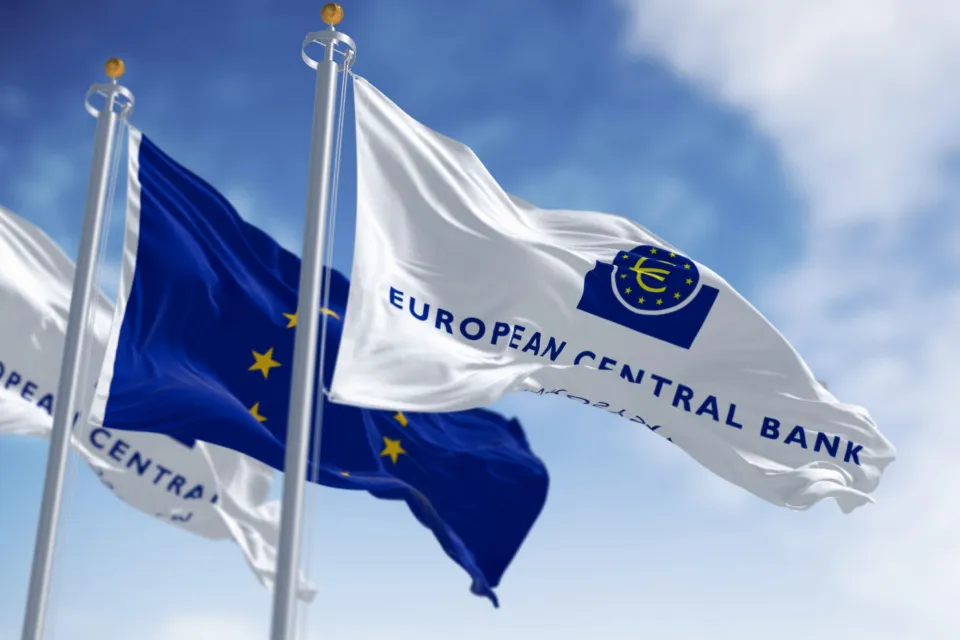
The European Central Bank has once again promised stability, which is the kind of sentence that immediately makes everyone check their bank app in fear. In Portugal, people hear the word stability and instinctively start calculating how many coffees they can afford this week. Across Europe, the cost of living continues to rise, and the only thing dropping faster than the euro is people’s patience. In Lisbon, where rent prices compete with rocket launches, the idea of financial calm has become more of a fantasy than a policy. So, while the ECB talks about keeping inflation under control, the rest of Europe is quietly planning a one-way escape to Madeira, the island that now represents both peace of mind and cheaper wine.
Stability or Just a Fancy Word for Confusion
When the ECB says stability, what it really means is everyone should stay calm while they figure out what to do next. Christine Lagarde’s speeches always sound optimistic, but for most people, it feels like listening to a weather forecast that ends with a tornado warning. Social media platforms fill up instantly with memes and jokes about how every new rate hike translates to another skipped brunch. Portuguese millennials laugh about it online while silently questioning why their electricity bill now costs as much as their internet plan. Stability has turned into a word that sounds reassuring but feels like a punchline.
Madeira the New Emotional Support Island
As the rest of Europe struggles with housing, inflation, and existential dread, Madeira has become the unofficial sanctuary for people escaping financial reality. Flights from Lisbon are filling up faster than concert tickets. The island’s real estate agents are having their best year ever, selling dreams disguised as sea-view apartments. Remote workers are arriving with laptops, yoga mats, and hope. Locals are calling it the new Bali of the Atlantic, except with better food and fewer influencers pretending to meditate. The truth is, Madeira offers something priceless to Europeans who are tired of pretending that life on the mainland is affordable. It offers the illusion of calm.
Meanwhile in Lisbon
Back in Lisbon, the rent crisis keeps evolving into a national sport. Every conversation eventually leads to the same joke about having to sell a kidney to afford an apartment near the metro. Cafés that once symbolized Portuguese charm now charge prices that would make tourists hesitate. A simple espresso has become a financial decision. Young people in Lisbon are not saving for houses anymore; they are saving for the next utility bill. Pastel de nata has turned from a treat into a tiny reminder of how inflation reaches even the sweetest parts of life. The city still sparkles under the sun, but beneath the beauty, there is a quiet panic that no policy announcement can hide.
Economists Keep Explaining the Unexplainable
Economists appear on television every week with new explanations that sound sophisticated and slightly unhelpful. They use terms like fiscal balance, monetary correction, and cyclical recovery. For the average person, it all translates to keep suffering politely. TikTok finance creators in Portugal respond with satire videos where they pretend to call the ECB hotline and ask for a refund. Gen Z investors keep posting ironic memes about how the only stable thing in the market is their anxiety. It has reached a point where humor is the only tool left to cope with the economic circus. The more experts explain, the less people understand, and the more they laugh to stay sane.
The Digital Generation Reacts
Gen Z and millennials have turned the European economic crisis into an entire genre of comedy. TikTok is filled with creators comparing interest rates to toxic relationships and inflation to a bad Tinder date that never ends. Twitter users post screenshots of grocery receipts with captions like “This is why I live on noodles now.” Even Portuguese YouTubers have joined in, producing sketches about moving to Madeira to start a new life as digital nomads who still cannot afford the rent there either. The absurdity of the situation has become part of the cultural conversation. Everyone jokes because the alternative would be despair.
Hope Is the Last Budget Item
Despite everything, people still find small ways to stay optimistic. Some invest in side hustles, others move to smaller towns, and many simply adapt their lifestyles to survive the chaos. The Portuguese spirit, known for resilience and humor, remains unshaken. Music, food, and memes have become emotional lifelines. The idea of stability might be questionable, but the determination to laugh through it all is unbreakable. Even as policies shift and markets wobble, ordinary people continue to build lives around uncertainty with a kind of poetic stubbornness that no central bank can regulate.
Conclusion
The ECB keeps promising stability, but for most Europeans, the only stable thing is the constant change. In Portugal, life has turned into a balancing act between hope and irony. Madeira shines like a digital dreamland where everyone wishes they could start over. The rest of Europe scrolls through meme after meme, trying to make sense of an economy that feels more like satire every day. Stability might be the word of the year, but laughter remains the currency that actually keeps everyone afloat. Maybe that is the real policy solution. Not just financial reform, but a collective sense of humor strong enough to survive whatever comes next.