Intro
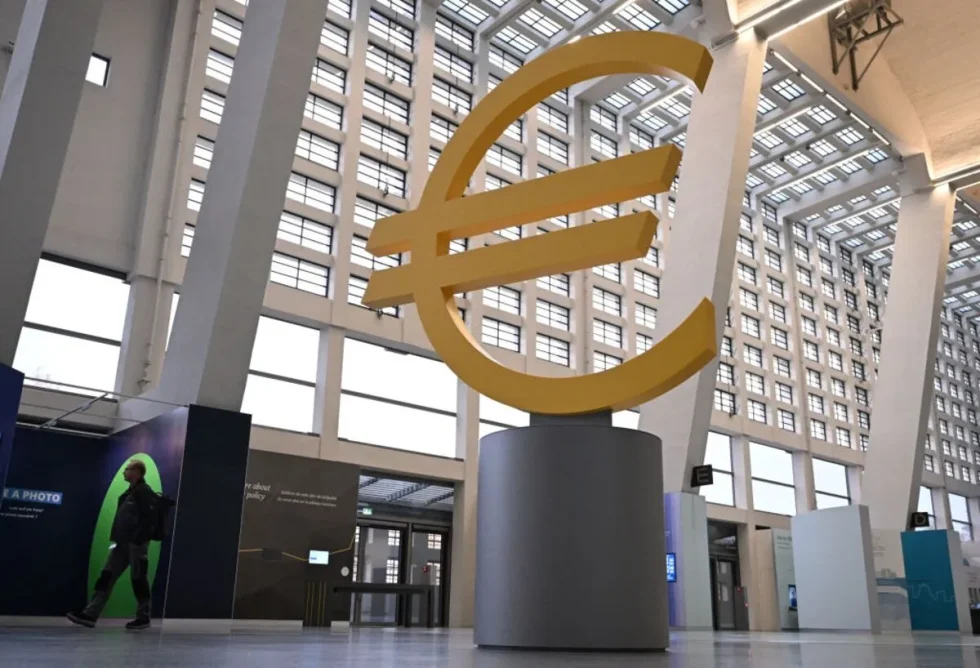
The European Central Bank has released its latest economic survey, revealing that inflation in the Eurozone continues to climb. Despite the challenges, market analysts remain cautiously optimistic, citing strong employment numbers and steady consumer spending. Portugal, as part of the Eurozone, is feeling the ripple effects of these trends, with both opportunities and risks for investors, businesses, and consumers.
Body
Inflation Trends Across the Eurozone
The survey indicates that Eurozone inflation reached 4.2 percent, higher than the ECB’s target but showing signs of stabilization in certain sectors. Energy and food prices remain the main contributors to the increase, while services and manufacturing sectors show moderate price growth.
Portugal has seen similar trends, with inflation hitting 3.8 percent in recent months. Consumer goods, utilities, and housing costs are the main drivers. Analysts emphasize that while rising prices can strain households, moderate inflation is also a sign of economic activity and demand recovery after the pandemic years.
Impact on Businesses
For Portuguese businesses, inflation presents both challenges and opportunities. Retailers and manufacturers face higher input costs but can often pass some of these onto consumers. Sectors such as technology, renewable energy, and tourism are expected to maintain growth, benefiting from strong domestic and international demand.
The ECB survey also highlights business confidence levels, which remain higher than the same period last year. Companies are investing in capacity expansion, digitalization, and sustainable practices to hedge against rising costs and market volatility.
Government and Policy Responses
The Portuguese government has implemented measures to mitigate the impact of inflation on households, including subsidies on energy bills and targeted support for vulnerable populations. Policy coordination with the ECB ensures that monetary measures are aligned with broader fiscal policies, aiming to maintain economic stability.
Economists suggest that interest rate policies will play a crucial role in controlling inflation without stifling growth. The ECB is expected to continue monitoring trends closely and adjust rates if necessary to maintain price stability.
Consumer Sentiment
Despite rising prices, consumer sentiment in Portugal shows cautious optimism. Retail sales data indicates sustained spending, particularly in urban centers such as Lisbon and Porto. Confidence is fueled low unemployment rates and stable wage growth, which help offset some of the pressure from inflation.
However, experts warn that persistent inflation could erode purchasing power over time, especially for households with fixed incomes. Budget-conscious consumers may adjust spending habits, favoring essential goods and delaying discretionary purchases.
Investment Opportunities
For investors, the ECB’s survey provides valuable insights. Sectors linked to energy efficiency, renewable energy, and technology are expected to outperform amid inflationary pressures. Real estate also remains attractive, particularly in Portugal, where property demand continues to rise due to both domestic and foreign interest.
Financial analysts recommend diversification, including a mix of equities, bonds, and alternative assets, to navigate inflation risks. Understanding sector-specific trends can help investors make informed decisions while balancing potential gains and exposure.
Comparisons with Other European Countries
Inflation trends vary across the Eurozone. Germany and France report slightly higher energy-related price pressures, while Italy and Spain show moderate increases. Portugal’s inflation rate, though significant, remains manageable compared to some neighbors, positioning the country for targeted economic interventions.
Experts note that cross-border investment opportunities are influenced these dynamics, as investors look for regions with sustainable growth potential and manageable inflation.
Conclusion
The ECB’s latest survey confirms that inflation is on the rise across the Eurozone, including Portugal. While challenges persist, cautious optimism stems from stable employment, consumer confidence, and business investment. Policymakers, businesses, and households must adapt to these trends to maintain economic stability and growth. For investors, understanding sector-specific dynamics and diversifying portfolios will be key strategies in navigating this evolving landscape.