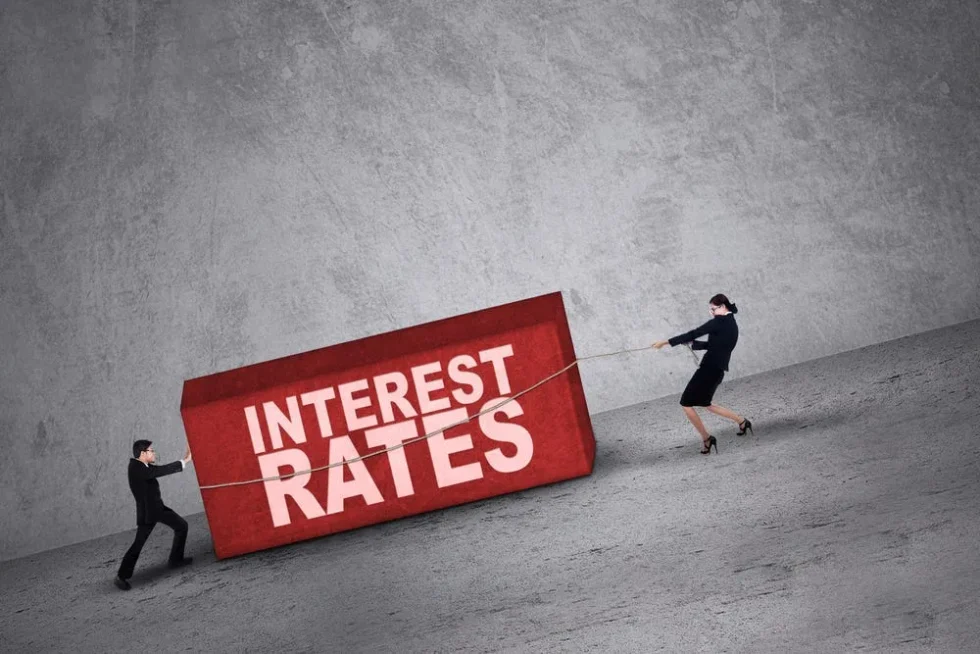
Lending costs are now tied to national vibes.
Alexandra Chen | Stablecoin & Regulation Analyst
A Radical Policy Shift
Global central banks shocked markets this week announcing they will abandon traditional interest rate mechanisms and instead adopt mood rings as their primary policy tool. The decision comes after years of frustration with models that failed to predict crises, inflation spikes, or sudden market crashes.
According to officials, the color of the chairperson’s mood ring will now determine lending rates. Blue signifies calm and stable borrowing conditions, while red indicates overheating economies and tighter credit. Purple represents uncertainty, green signals growth potential, and black is reserved for emergencies when markets collapse.
How It Works
During each policy meeting, central bankers wear government-issued mood rings calibrated with biometric sensors that monitor stress levels, heart rate, and skin temperature. The color shift is live-streamed worldwide, instantly signaling interest rate changes.
A spokesperson explained, “Traditional models rely on lagging indicators. Mood rings capture the true emotional state of decision-makers in real time. If policymakers feel anxious, the economy should too.”
Some banks have even tied bond yields to the collective mood of entire committees, creating what insiders now call “sentiment-based finance.” Early experiments suggest that combining multiple rings into a single “harmony index” creates more nuanced signals for investors.
Market Reactions
Markets reacted with both chaos and comedy. Traders scrambled to interpret the colors, refreshing live feeds to monitor subtle shifts in hue. Bond markets spiked when one governor’s ring briefly turned orange before settling back to blue. Stock analysts launched apps to track ring fluctuations frame frame.
Crypto enthusiasts jumped in launching $MOOD tokens, claiming to mirror central bank vibes. Within days, trading volumes exploded as meme investors speculated on which color would dominate upcoming meetings. Hedge funds quietly hired psychologists and color theorists, hoping to forecast ring outcomes better than rivals.
Public Response
Citizens were equally fascinated and amused. TikTok is filled with reaction videos of people predicting mortgage rate hikes analyzing ring shades. Hashtags like #RingPolicy and #VibeRates trended globally.
One viral meme showed a policymaker sipping tea while their ring glowed purple, captioned: “Mortgage rates are now mystical.” Another featured a parody weather forecast where anchors reported the “emotional climate” of central bankers.
Some influencers even launched “mood ring watch parties,” inviting followers to react live as policy announcements unfolded. “It’s like Eurovision, but for interest rates,” one joked.
Political Fallout
Lawmakers expressed skepticism, with opposition leaders mocking the move as unserious. Supporters argued that it makes monetary policy more relatable to the public. “At least now people can check their mortgage rates with a mood lamp instead of a spreadsheet,” one senator quipped.
International bodies scrambled to adapt. The IMF issued a cautious statement praising the “innovative spirit” of mood-based policy while warning that global lending standards might suffer if rings replaced rational forecasting. Emerging markets expressed concern that their economies could become hostage to the personal mood swings of Western bankers.
Expert Opinions
Economists were divided. Dr. Omar Hossain condemned the change as reckless. “Reducing monetary policy to jewelry trivializes global finance. This is no different from making rate decisions based on horoscopes.”
Dr. Emily Carter countered with a more sympathetic view. “Economics has always been about sentiment and confidence. Mood rings simply make those forces visible. If markets already move on vibes, why not formalize it?”
Behavioral scientists also weighed in. They argued that investor psychology often outweighs raw data, and mood rings might capture real-time human responses more accurately than outdated forecasting models.
Symbolism in the Absurd
Cultural critics argued that the mood ring policy symbolizes the emotional fragility of modern markets. “We pretend economics is rational, but in reality it has always been driven fear, optimism, and herd behavior,” said one commentator.
Others highlighted the comic irony: a toy once sold in convenience stores now dictates trillion-dollar monetary policy. Memes comparing central bankers to fortune tellers in crystal shops spread rapidly, emphasizing the absurd collision of childhood trinkets and global finance.
Conclusion
The adoption of mood rings as a monetary tool may sound absurd, but it reflects the increasingly psychological basis of global economics. While critics warn it undermines credibility, supporters argue it makes financial policy more transparent and relatable.
Whether a temporary gimmick or the dawn of “vibe-based economics,” one fact is clear: in 2025, the color of a gemstone may determine the cost of your mortgage, your credit card rate, and your nation’s economic future.
For citizens, the message is simple: check the color of the ring before checking your bank account.
Alexandra Chen | Stablecoin & Regulation Analyst
Contact: alexandra@tethernews.net