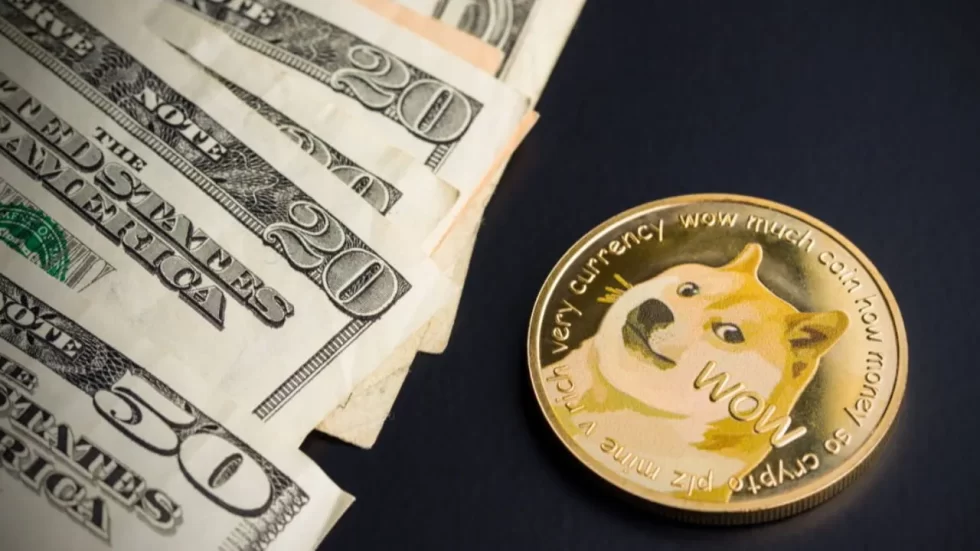
The idea that national tax revenue could be influenced the emotional swings of a meme coin sounds like something cooked up on a late-night trading Discord, yet some economists insist it may not be as far-fetched as it seems. Dogecoin, originally created as a joke, has grown into a cultural and financial phenomenon with a market presence large enough to influence spending patterns, investment behaviour, and even government projections. If public sentiment toward the coin shifts sharply, these experts argue that ripple effects could be felt in real economic indicators.
While the claim is still debated, the conversation has picked up momentum due to the rising connection between internet culture and financial markets. Retail traders now move money based on trends, jokes, and social hype, making traditional forecasting models struggle to keep up. Dogecoin’s mood, measured through social sentiment and market activity, has become a curious new variable in discussions about fiscal stability.
How Dogecoin Sentiment Could Influence Consumer Spending
Dogecoin’s volatility has often been tied to big online moments, viral memes, and shoutouts from high-profile figures. When its price surges, many retail holders feel wealthier, even if those gains exist only on paper. Economists refer to this as the wealth effect, where people spend more when they believe their assets are growing. In the case of Dogecoin, this effect appears among younger investors who often treat crypto gains as extra disposable income. A positive Dogecoin mood could therefore lead to more spending, resulting in an uptick in tax revenue from purchases, services, and small investments.
Conversely, when the meme coin dips or online sentiment turns sour, holders tend to pull back. They delay purchases, avoid risks, and hold onto cash, which can temporarily reduce taxable activity. Because the Dogecoin community is unusually reactive to internet trends, these shifts can happen quickly, catching revenue forecasters off guard. While mainstream cryptocurrencies also show similar patterns, observers argue that Dogecoin’s unique culture amplifies the emotional side of trading, making its mood swings more influential than expected.
The Rise of Meme-Driven Market Behaviour
The growth of meme-driven trading has changed how analysts interpret market data. Social sentiment trackers monitor how often Dogecoin appears in conversations, how positively it is discussed, and which influencers are driving the narrative. Spikes in attention often precede market moves, demonstrating that sentiment can be just as important as financial fundamentals. This new reality complicates economic forecasting, particularly when tax predictions rely on stable consumer behaviour.
Government Challenges in Forecasting Volatile Trends
Public agencies traditionally base their projections on labour data, consumption trends, and long-term asset performance. They are not designed to factor in the emotional swings of a digital joke currency. If Dogecoin’s influence on spending becomes significant, governments may need updated forecasting tools capable of analysing real-time online behaviour. Some analysts suggest using sentiment-based economic models, while others warn against relying too heavily on unpredictable meme markets. For now, most governments treat Dogecoin as an interesting anomaly rather than a core variable, but the debate highlights how quickly the financial landscape is shifting.
Could Fiscal Policy Adapt to Meme Economics?
As the conversation grows, a few forward-thinking economists propose that fiscal policy might eventually include sentiment-based indicators. Just as consumer confidence reports influence certain tax planning decisions, social mood metrics could someday complement traditional data. While no country is officially considering such an approach, the mere suggestion shows how deeply digital culture has blended with modern economics. Whether or not Dogecoin remains influential, the broader trend toward meme-driven markets is unlikely to fade, raising questions about how governments should respond in the years ahead.
Conclusion
The idea that tax revenue might depend on the mood surrounding Dogecoin is unusual, but it reflects the changing relationship between culture and finance. As digital trends increasingly influence real-world economic behaviour, governments and analysts may need to rethink how they forecast revenue and understand market sentiment. Whether Dogecoin remains central to this shift or not, the era of meme-driven economics has already begun.