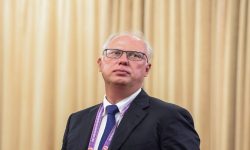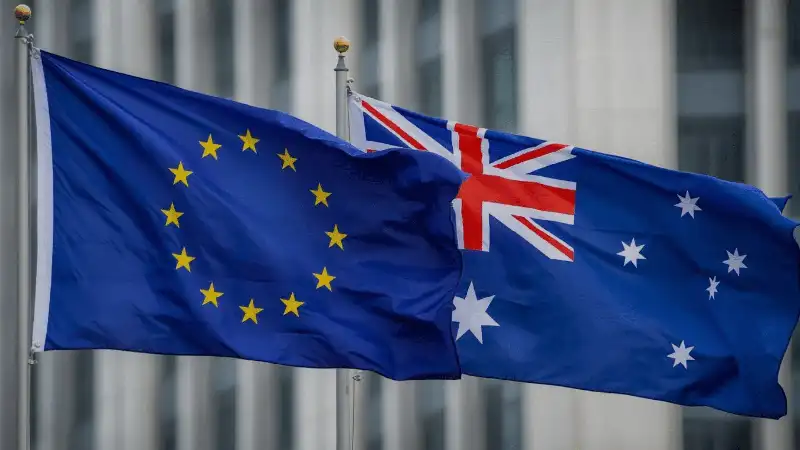
The European Union and Australia have signaled renewed momentum in long running trade negotiations, raising expectations that a long delayed agreement could soon be finalized. Recent discussions between Australian Trade Minister Don Farrell and EU Trade Commissioner Maros Sefcovic have been described as productive, with both sides expressing confidence in reaching a mutually beneficial outcome. The latest developments suggest that negotiations, which stalled in 2023, are now advancing toward a potential breakthrough at a time when global trade dynamics are shifting rapidly.
At the center of the negotiations remain key disagreements over market access, particularly in agriculture and industrial goods. Australia has been pushing for expanded quotas to export products such as beef and lamb into European markets, while the EU has sought improved access to Australia’s critical minerals sector along with reduced tariffs on manufactured exports. These issues previously led to a collapse in talks, but recent engagement indicates that both parties are now working to find common ground that balances domestic economic interests with broader trade ambitions.
Officials on both sides have emphasized the strategic importance of the agreement, not only for bilateral trade but also within the wider global economic landscape. The EU is increasingly looking to strengthen its trade relationships as it navigates competition with major economies such as the United States and China. For Australia, securing deeper access to European markets offers an opportunity to diversify export destinations and reduce reliance on traditional trading partners in Asia.
The renewed push comes alongside a broader shift in global trade policy, with countries seeking to establish more resilient and diversified supply chains. European leaders have indicated that concluding a deal with Australia would reinforce the bloc’s position in key sectors, including energy transition materials and advanced manufacturing. The negotiations are also being viewed as part of a wider effort the EU to expand its network of trade agreements in response to changing geopolitical and economic conditions.
There are growing indications that the agreement could be nearing completion, with reports suggesting that discussions have entered a final phase. European Commission President Ursula von der Leyen is said to be considering a visit to Australia in the near term, potentially to finalize and sign the agreement, although no official timeline has been confirmed. Such a move would mark a significant milestone after years of negotiations and would signal a stronger alignment between the two economies.
Market participants and policymakers are closely watching the outcome of these talks, as a finalized agreement could have meaningful implications for trade flows, investment, and economic cooperation between Europe and Australia. As both sides continue negotiations, the focus remains on resolving outstanding issues while ensuring that the final deal delivers tangible benefits for businesses, industries, and consumers on both sides.