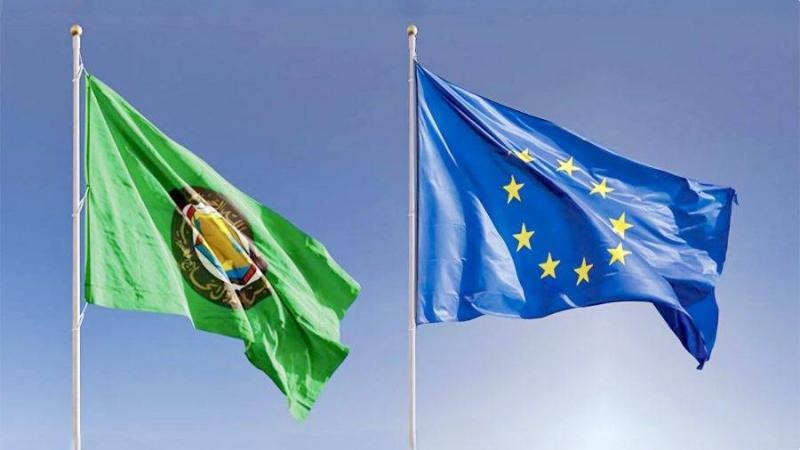
Foreign ministers from the European Union and the Gulf Cooperation Council have warned that stability in the Gulf region remains essential for the health of the global economy. During an extraordinary virtual meeting, ministers from both sides stressed that disruptions to Gulf security could have immediate consequences for international markets, energy supplies and global trade routes. The joint discussions highlighted the close connection between security in the Middle East and economic stability across Europe and the wider world, particularly as geopolitical tensions in the region continue to intensify.
In a joint statement issued after the meeting, EU and GCC officials emphasized that the Gulf region plays a central role in the global economic system. The area hosts some of the world’s most important energy producers and strategic shipping routes that support international supply chains. Ministers warned that instability in the region could disrupt oil and gas flows, increase market volatility and affect industries dependent on reliable energy transportation. The statement reinforced the view that safeguarding the Gulf’s security is directly linked to protecting the stability of the global economy.
European representatives expressed strong solidarity with Gulf states facing security threats and reaffirmed their commitment to maintaining strategic cooperation with the region. Officials noted that the European Union recognizes the right of Gulf countries to take necessary measures to protect their sovereignty and national security. The meeting reflected growing diplomatic coordination between Europe and the Gulf as both sides attempt to prevent further escalation of regional tensions and protect key economic infrastructure.
The ministers strongly condemned recent attacks targeting critical infrastructure and facilities within Gulf countries. According to the statement, such actions represent a serious threat to regional stability and could have wider consequences for global economic activity. Participants urged an immediate halt to hostilities and called on all parties involved to reduce tensions and return to diplomatic engagement. The ministers warned that continued instability could place global energy markets under significant pressure.
A major focus of the meeting was the protection of international transport corridors that are vital for global trade. Officials highlighted the importance of maintaining secure maritime routes through the Strait of Hormuz and the Bab al Mandab, two of the most strategically significant shipping passages in the world. These waterways handle a substantial portion of global oil shipments and commercial trade flows. Ministers stressed that guaranteeing freedom of navigation in these areas is essential to keeping international supply chains operating smoothly.
The joint discussions also addressed the issue of nuclear security in the region. European and Gulf ministers agreed to strengthen diplomatic efforts aimed at ensuring that Iran does not acquire nuclear weapons capability. Officials said that preventing nuclear proliferation remains a key element in maintaining long term stability across the Middle East. Diplomatic engagement and international cooperation were identified as the most effective tools for addressing security concerns and reducing the risk of further conflict.
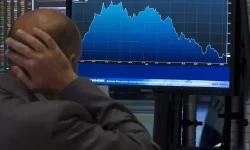
The meeting took place at a time of heightened regional tensions following a series of attacks affecting infrastructure and strategic sites in several Gulf countries. These developments have raised concerns among global markets about potential disruptions to energy production and transport networks. Analysts say the Gulf region remains one of the most sensitive geopolitical areas for the global economy because of its role in energy supply and international trade routes.
Officials from both the European Union and the Gulf Cooperation Council agreed that continued dialogue and coordination will be necessary to address emerging security challenges. reinforcing diplomatic ties and strengthening cooperation mechanisms, both sides aim to support regional stability while protecting global economic interests that depend heavily on the safe flow of energy resources and commercial goods.