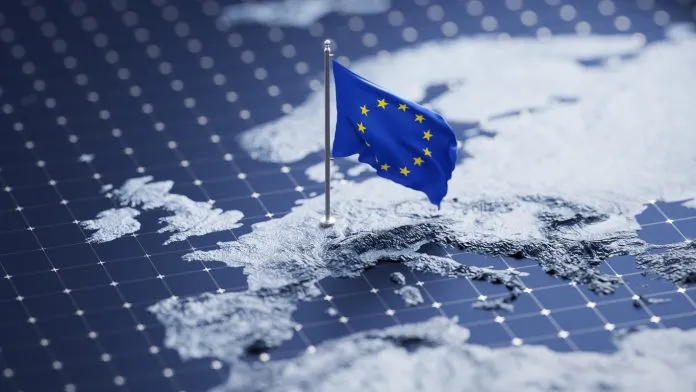
The European Union is entering a decisive stage in its environmental and climate agenda as officials push forward new measures aimed at accelerating the green transition. With global temperatures rising and climate risks intensifying, the EU is prioritizing policies that strengthen resilience, support industrial transformation and secure long term sustainability across the bloc.
Recent updates highlight the EU’s growing focus on implementation. Member states are working to turn high level climate goals into concrete national plans. This includes reinforcing emissions reduction pathways, scaling renewable energy investments and updating infrastructure to meet the demands of a low carbon economy.
Renewable energy continues to sit at the center of the EU’s climate strategy. The bloc is expanding solar and wind capacity while promoting cross border energy cooperation. Officials say the goal is not only to reduce emissions but to strengthen Europe’s energy independence. Investments in grid modernization and storage technologies remain key priorities.
Environmental policy updates also address nature protection and biodiversity loss. The EU is advancing measures to restore wetlands, improve forest management and safeguard endangered species. These initiatives aim to maintain ecological balance while supporting rural communities that depend on healthy natural resources.
Climate adaptation is becoming increasingly important. The EU is directing more attention to managing heatwaves, droughts and flood risks. Updated frameworks encourage member states to improve early warning systems, strengthen urban planning and build infrastructure that can withstand extreme weather.
In parallel, green industry policy is gaining momentum. The EU aims to support clean manufacturing, low carbon technologies and circular economy models. Officials say industrial transformation is essential for reducing emissions and staying competitive in a global market that is rapidly moving toward sustainable production.
The policy update also touches on environmental compliance and enforcement. Stronger monitoring systems are being introduced to ensure member states meet their climate obligations. This includes clearer reporting requirements and improved data transparency to track progress across sectors.
Financial support remains a critical part of the strategy. The EU continues to deploy funding through its climate programs to help countries upgrade energy systems, develop green transport networks and support small businesses transitioning to sustainable practices. Policymakers emphasize that regional balance is vital to ensure no member state falls behind.
Public engagement is also shaping the EU’s approach. Citizens and youth groups across Europe are increasingly vocal about environmental concerns. Their input is influencing debates on pollution control, sustainable agriculture and long term climate planning. Officials view public participation as essential for maintaining democratic legitimacy throughout the green transition.
As the EU prepares for the next phase of its environmental agenda, the policy updates reflect a clear message. Europe is committed to advancing climate action while safeguarding economic stability and social cohesion. The coming years will determine how effectively the bloc can transform ambition into measurable progress.