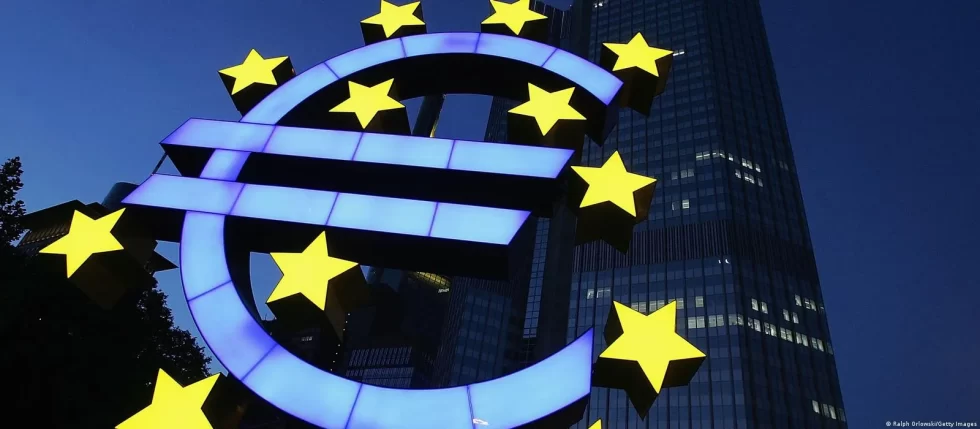
European Union governments have reached a crucial agreement on advancing the digital euro project, marking one of the most significant steps so far toward the creation of a common digital currency. The decision reflects years of debate over how Europe should adapt its monetary system to rapid technological change and the growing dominance of private digital payment platforms. While the digital euro is still not ready for launch, the political alignment achieved at this stage provides fresh momentum for the project.
A Political Signal of Commitment
The agreement signals a clear commitment EU governments to support the work led the European Central Bank. Until now, progress on the digital euro has often been slowed concerns around privacy financial stability and national sovereignty. reaching consensus, member states have demonstrated a shared understanding that Europe needs a public digital payment option to complement cash and existing electronic systems. This political backing is essential for turning technical research into a workable framework.
What the Digital Euro Is Designed to Do
The digital euro is intended to function as a digital form of central bank money available to citizens and businesses across the euro area. Unlike cryptocurrencies or private stablecoins, it would be issued and guaranteed the central bank. Its purpose is not to replace cash but to provide an additional option for payments in an increasingly digital economy. Policymakers emphasize that cash would remain available and that the digital euro would coexist with current banking and payment systems.
Addressing Privacy and Control Concerns
Privacy has been one of the most sensitive issues surrounding the digital euro. Governments and EU institutions have repeatedly stressed that any digital currency must protect users’ personal data and avoid excessive surveillance. The agreed framework reinforces the principle that transactions should offer a level of privacy similar to existing electronic payments. At the same time, safeguards would remain in place to prevent money laundering and illicit activity, balancing individual rights with regulatory responsibilities.
Strengthening Europe’s Financial Autonomy
Supporters of the digital euro argue that it is also a strategic project. Europe’s payments market is heavily dependent on non European providers, particularly in card and online transactions. A digital euro could reduce this reliance and strengthen the EU’s financial sovereignty. offering a public alternative backed the central bank, the bloc aims to ensure that core payment infrastructure remains under European control as digital finance continues to evolve.
Implications for Banks and Consumers
The agreement also addresses concerns from commercial banks, which have warned that a digital euro could draw deposits away from traditional accounts. Policymakers are exploring design features such as limits on holdings to prevent disruption to the banking system. For consumers, the digital euro could offer faster safer and potentially cheaper payments both online and in physical stores. Its success will depend on ease of use trust and clear communication about how it differs from private digital payment options.
The Road Ahead for the Digital Euro
While this agreement represents a key milestone, several steps remain before a digital euro becomes reality. Technical development legal frameworks and further political approvals are still required. The European Central Bank will continue testing and refining the concept while working closely with national authorities. For now, the agreement shows that EU governments see the digital euro not as a distant experiment but as a necessary evolution of money in the digital age.