Introduction
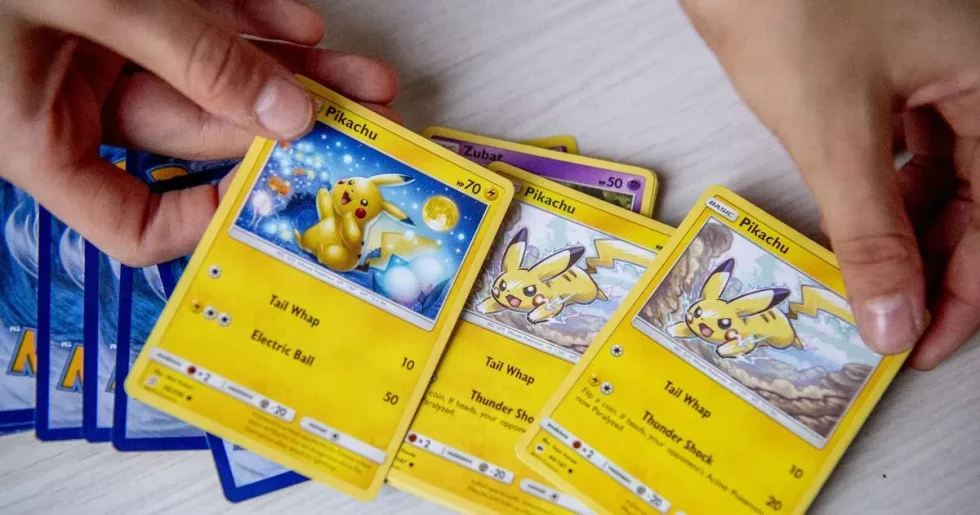
Europe’s financial system has been the subject of constant debate, with citizens facing repeated discussions about inflation, the digital euro, and the broader future of monetary policy. Recently, however, a satirical proposal captured attention across the continent. Some EU leaders, perhaps jokingly, suggested the replacement of traditional Euro coins with collectible Pokémon cards. While this idea is clearly not a serious policy plan, it highlights both the humor and frustration shaping Europe’s financial conversations. The thought of paying for rent or groceries with a holographic Charizard has struck a chord with the public, who see the suggestion as a symbol of how surreal economic debates have become.
A strange kind of logic
Behind the absurdity of the idea lies a curious logic. Pokémon cards, like cryptocurrencies, have already built their own thriving secondary markets. Rare editions are traded globally and can sell for thousands of euros. In that sense, they are a form of asset with value based on scarcity and demand. Proponents of the idea argue that collectibles could inject a new cultural and nostalgic dimension into currency, making the Euro more appealing to younger generations. Critics, of course, dismiss the proposal as economic nonsense, warning that the volatility of collectibles would only destabilize financial systems. Nevertheless, the very fact that it is being discussed shows how satire can spark real debate about alternatives to traditional money.
Public reaction and cultural humor
The suggestion immediately went viral online. Social media platforms were flooded with memes showing Christine Lagarde holding Pokémon cards instead of official ECB reports. TikTok videos depicted people mock trading Pikachu cards for train tickets or groceries. Younger Europeans, particularly millennials and Gen Z, embraced the joke with enthusiasm, while some older citizens expressed disbelief that such an idea was even considered worth mentioning. The humor resonated widely because it highlighted a serious truth: many people feel disconnected from Europe’s financial governance and are eager for explanations they can actually relate to.
Economic context and satire
The humor of the Pokémon card idea is rooted in Europe’s ongoing economic challenges. Inflation remains high in many regions, and policymakers are struggling to balance price stability with economic growth. Interest rate hikes are deeply unpopular, while discussions about fiscal rules often seem detached from everyday struggles. suggesting something as absurd as Pokémon cards, the satire underscores the growing frustration that traditional economic solutions feel abstract and irrelevant. It is a way for the public to laugh at the system while pointing out that serious solutions are not resonating with their lived realities.
Political commentary and criticism
Politicians have not ignored the joke either. Some opposition figures in national parliaments used it as ammunition, mocking EU leaders claiming they have finally admitted that monetary policy is nothing more than a game. Others pointed out that if the idea ever came true, wealth would be concentrated in the hands of those who already own rare collectibles, echoing the inequalities seen in modern asset markets. These satirical criticisms serve a deeper purpose, illustrating that the credibility of the EU’s economic leadership is fragile and increasingly vulnerable to ridicule.
Pokémon as a cultural currency
Pokémon has a special place in European culture, particularly for younger generations who grew up trading cards in school playgrounds. For many, these cards were their first encounter with concepts of value, scarcity, and negotiation. The humor of imagining Pokémon as actual currency works because it blends childhood nostalgia with adult financial concerns. In some ways, the cards already function like currency, with markets, prices, and speculative bubbles of their own. tapping into this cultural phenomenon, the satire resonates across borders and age groups, uniting Europeans in laughter at an otherwise grim economic climate.
Comparisons with global absurdities
While the EU has become the latest stage for this type of humorous debate, similar situations have occurred elsewhere. In Venezuela, video game currencies have at times been more stable than the national currency. In Japan, collectors’ markets for rare toys and cards rival the value of small economies. These examples show that while the Pokémon proposal is meant as satire, it reflects broader global realities where alternative forms of value occasionally overshadow official financial systems. The comparison emphasizes that people naturally look for substitutes when confidence in traditional money falters.
The economics of nostalgia
What gives the Pokémon card idea particular weight is the role of nostalgia in economics. Markets for vintage items, collectibles, and retro entertainment have grown significantly, driven millennials and Gen Z. Nostalgia has proven to be an asset class of its own, with buyers willing to invest large sums in items tied to their childhood. imagining Pokémon cards as currency, the satire highlights how the boundaries between emotional value and economic value are already blurred. This adds another layer of irony, suggesting that the absurd is closer to reality than policymakers might like to admit.
Trust and credibility of institutions
The underlying theme of this joke is not simply about Pokémon or collectibles but about trust in institutions. Many Europeans see financial policy as detached from their struggles with rent, food prices, and wages. The image of trading cards replacing coins expresses the sense that monetary rules are arbitrary, confusing, or irrelevant to ordinary life. The joke works because it mirrors the public perception that leaders are out of touch, playing games with policies while people face real hardships. In this sense, humor becomes a form of critique and resistance.
Conclusion
The suggestion to replace Euro coins with Pokémon cards is not a serious proposal, but it is a powerful satirical reflection of Europe’s economic climate. It shows how citizens use humor to express frustration with complex and seemingly ineffective systems. While nobody expects to buy bread with a holographic Pikachu, the idea resonates because it calls attention to deeper issues of affordability, trust, and relevance in European financial policy. Until leaders find ways to reconnect economic governance with everyday concerns, jokes about turning monetary policy into a trading card game will continue to thrive.