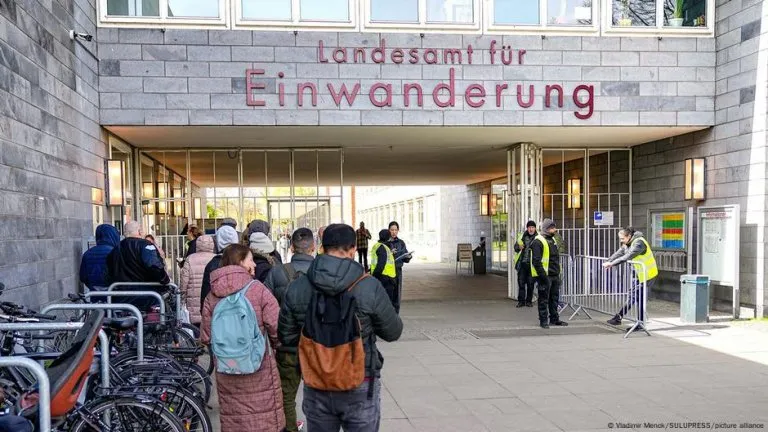
Momentum is building within the European Union to scale back asylum protections, as pressure intensifies among member states to curb the number of people seeking refuge across the bloc. Discussions at a recent EU summit revealed a growing willingness among governments to tighten rules and limit rights for asylum seekers, reflecting a shift in the political mood around migration.
More than a dozen EU countries are now openly pushing to maintain what they describe as momentum toward reducing arrivals. Officials from these states argue that existing asylum systems are overstretched and that public patience is wearing thin, particularly in countries facing housing shortages, strained social services and rising political support for anti migration parties.
The debate marks a significant moment for the EU, which has long presented itself as a defender of humanitarian values and international protection standards. While leaders continue to stress their commitment to international law, the tone of discussions has become increasingly focused on deterrence, border control and faster removals rather than access to protection.
Several proposals circulating among member states would make it harder for people to claim asylum within the EU. These include expanding the use of so called safe third countries, accelerating border procedures and increasing the number of applicants who can be detained while their claims are processed. Critics warn that such measures risk undermining fundamental rights and could expose vulnerable people to harm.
Supporters of tougher policies argue that the current system encourages irregular migration and fuels dangerous journeys. They say clearer limits and faster decisions would reduce incentives for smugglers and restore public confidence in migration management. Some leaders have framed the issue as essential to preserving social cohesion and political stability within the EU.
However, human rights groups and migration experts have raised alarms about the direction of travel. They warn that rolling back protections could erode the right to asylum enshrined in international conventions and lead to pushbacks, arbitrary detention and inadequate access to legal support. They also caution that focusing narrowly on restriction ignores the root causes of displacement, such as conflict, climate change and economic collapse.
The shift in tone comes amid broader political changes across Europe. Elections in several countries have seen gains for parties campaigning on hardline migration platforms, pushing mainstream governments to adopt tougher positions. As a result, policies that once sat at the fringes of debate are now being discussed at the highest levels of EU decision making.
Despite the growing consensus among some states, deep divisions remain. Southern countries at the EU’s external borders continue to call for greater solidarity and burden sharing, while others insist on stronger controls before offering support. Efforts to reform the EU asylum system have repeatedly stalled over these disagreements.
At the summit, EU leaders did not finalize any immediate legislative changes, but the direction was clear. Officials spoke of the need to sustain political pressure and move from discussion to implementation in the coming months. For asylum seekers and advocacy groups, this signals a period of heightened uncertainty.
As the EU weighs its next steps, it faces a fundamental question about its identity. Balancing border control with the protection of those fleeing danger has always been challenging. The current momentum suggests that security and deterrence are taking precedence, raising concerns that Europe’s asylum system may be reshaped in ways that permanently narrow access to protection.