A stronger role for Europe’s drugs watchdog
The European Commission is preparing plans to reinforce the capabilities of the European Union Drugs Agency, which is based in Lisbon, as part of a broader effort to improve how Europe confronts narcotics trafficking. The initiative reflects growing concern across the bloc about the scale, sophistication, and cross border nature of the drug trade, which increasingly challenges national law enforcement acting alone.
Officials believe that strengthening the agency will allow the European Union to respond more effectively to emerging drug trends, coordinate intelligence, and support member states facing rising drug related crime and public health risks.
Lisbon at the center of EU drug policy
The European Union Drugs Agency, headquartered in Lisbon, already plays a key role in monitoring drug markets and advising governments on policy responses. choosing to expand its mandate and resources, the European Commission is signaling confidence in the agency’s strategic importance.
Lisbon’s position as the agency’s home has also helped place Portugal at the heart of European drug policy discussions. Over the years, the city has become a hub for research, data collection, and coordination related to drug use, trafficking patterns, and prevention strategies.
Improving coordination among 27 member states
One of the central goals of the Commission’s plan is to improve coordination between the 27 EU countries. Drug trafficking networks operate across borders with ease, exploiting differences in national laws, enforcement capacity, and intelligence sharing. While individual countries retain responsibility for policing, the Commission believes a stronger central agency can help bridge gaps.
Enhanced coordination would allow faster sharing of real time data, joint risk assessments, and more aligned responses to emerging threats such as synthetic drugs and new trafficking routes. This approach aims to reduce duplication of effort and ensure that weaker points in the system do not undermine the security of the entire bloc.
Responding to evolving drug markets
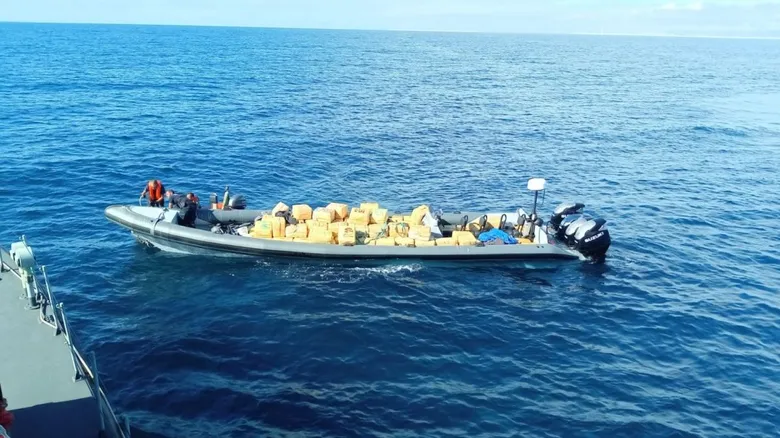
Europe’s drug landscape has changed significantly in recent years. Traffickers are increasingly using digital platforms, encrypted communications, and complex logistics chains. Synthetic substances are easier to produce and distribute than traditional drugs, while cocaine and other narcotics continue to flow through major European ports.
The Commission argues that the EU Drugs Agency must evolve alongside these trends. Strengthening analytical capacity, expanding research into new substances, and improving early warning systems are seen as essential steps to staying ahead of criminal networks.
Public health and security go hand in hand
Drug trafficking is not only a law enforcement issue. It also poses major public health challenges, from addiction and overdose risks to the spread of infectious diseases. The Commission’s plans emphasize that a stronger agency should support both security focused and health oriented responses.
providing better data and evidence based recommendations, the agency can help governments design policies that balance enforcement with prevention and treatment. This integrated approach reflects lessons learned from countries like Portugal, which has long emphasized public health in its drug policy.
What strengthening the agency could involve
Although detailed proposals have yet to be finalized, strengthening the EU Drugs Agency could include increased funding, expanded staffing, and a broader mandate. This may allow the agency to play a more operational role, working more closely with law enforcement bodies such as Europol and customs authorities.
There is also discussion about enhancing the agency’s ability to support joint investigations and provide technical assistance to member states facing acute drug related challenges.
Member states weigh benefits and concerns
While many governments support stronger coordination, some remain cautious about expanding EU level powers in sensitive areas like policing and criminal justice. Balancing national sovereignty with collective security will be a key political challenge as the proposals move forward.
The Commission has sought to reassure member states that the agency’s role will be supportive rather than directive, reinforcing national efforts rather than replacing them.
Lisbon’s growing role in European governance
If the plans move ahead, Lisbon’s status as a center for EU governance will be further strengthened. Hosting a more powerful drugs agency would deepen the city’s connection to European policy making and highlight Portugal’s influence in shaping collective responses to complex social challenges.
A collective response to a shared problem
The Commission’s push to strengthen the European Union Drugs Agency reflects a recognition that drug trafficking is a shared European problem requiring shared solutions. investing in coordination, data, and expertise, the EU hopes to build a more resilient response that protects public health, strengthens security, and limits the reach of criminal networks.