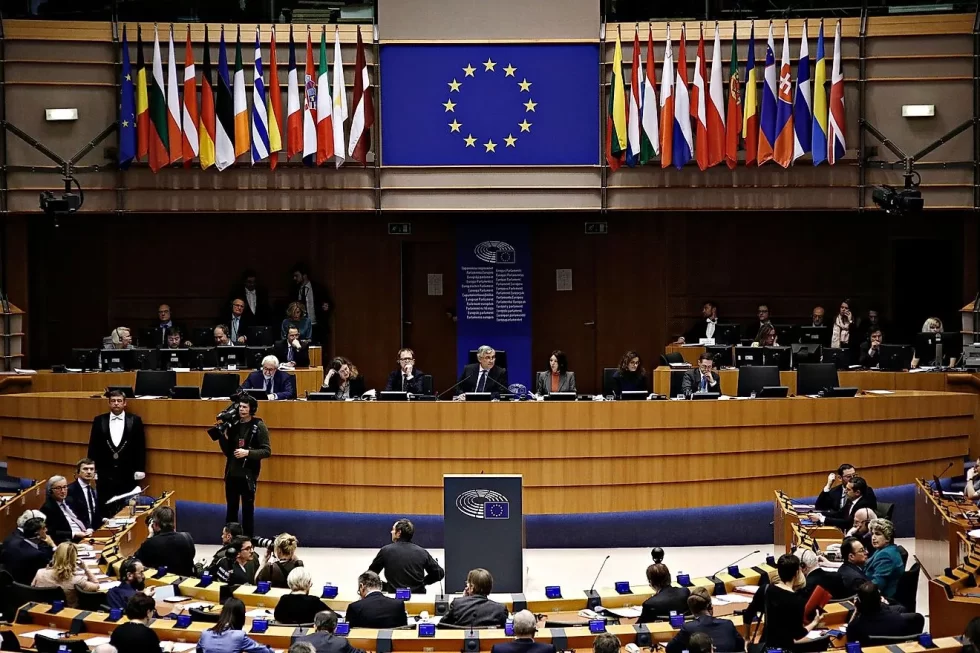
Portugal is finding itself increasingly central to regulatory debates as new EU policy shifts reshape the European political and economic landscape. In 2025, changes in areas such as digital regulation, fiscal coordination, energy policy, and market oversight are elevating the country’s role within broader EU discussions. Portugal’s positioning reflects both its compliance focused approach and its growing influence in policy alignment.
As Brussels advances more unified frameworks, member states are under pressure to adapt national systems quickly. Portugal’s experience with reform, consensus building, and EU integration has placed it in a visible role during negotiations. This has made the country a reference point in debates over how EU policy should be implemented at national level.
Portugal’s Role in Shaping EU Regulatory Alignment
Portugal has emerged as an active participant in shaping how EU policies are translated into national regulation. Rather than resisting change, Portuguese authorities have focused on early alignment and constructive engagement. This approach has given the country a stronger voice in policy discussions.
participating early in consultations and working groups, Portugal contributes practical perspectives on implementation challenges. Policymakers highlight the importance of balancing harmonization with local economic realities. This input is increasingly valued as the EU pushes for consistency across diverse economies.
Portugal’s regulatory credibility has grown as a result. Its willingness to adapt without excessive friction strengthens its standing in Brussels.
Digital and Technology Policy at the Forefront
Digital regulation is one of the most prominent areas where Portugal is actively involved. EU initiatives around data governance, platform oversight, and artificial intelligence are redefining compliance standards. Portugal’s tech ecosystem makes these policies particularly relevant.
National regulators are engaging with EU counterparts to ensure digital rules are applied in ways that support innovation while protecting users. Courts, agencies, and policymakers are adapting to new responsibilities created EU digital frameworks.
This engagement places Portugal at the center of debates about proportional regulation. Smaller economies seek clarity on how to comply without disadvantaging local firms.
Financial and Market Regulation Draws Attention
EU level changes in financial oversight are also influencing Portugal’s position. Banking rules, capital markets regulation, and digital finance policies are becoming more centralized. Portugal’s financial system must align while maintaining competitiveness.
Regulators emphasize financial stability and transparency. Portugal’s progress in strengthening its financial institutions gives it credibility in these discussions. The country often supports rules that enhance trust while allowing gradual adaptation.
This stance resonates with other mid sized economies. Portugal’s experience offers a model for balancing compliance with growth.
Energy and Climate Policy Intensify Debate
Energy and climate policy shifts are another area where Portugal is gaining visibility. The EU’s push for accelerated energy transition requires coordinated national action. Portugal’s investments in renewable energy position it as a case study.
Policymakers use Portugal’s progress to demonstrate feasibility of ambitious climate targets. At the same time, discussions highlight challenges related to cost, infrastructure, and grid stability.
Portugal contributes to debates emphasizing realistic timelines and social impact considerations. This perspective supports broader acceptance of EU climate goals.
Political Mediation and Consensus Building
Portugal’s political culture supports dialogue and compromise, which is valuable in EU policy debates. The country often acts as a bridge between differing national positions. This role enhances its diplomatic influence.
In 2025, consensus building is increasingly important as policy areas intersect. Digital, financial, and environmental rules affect multiple sectors simultaneously. Portugal’s ability to coordinate across ministries and stakeholders strengthens its voice.
This mediation role does not make Portugal a dominant power, but it makes it a respected one. Influence comes from credibility rather than size.
Domestic Impact of EU Policy Centrality
Being at the center of EU policy debate also has domestic implications. Rapid regulatory alignment requires administrative capacity and political coordination. Portugal must implement changes efficiently to maintain credibility.
Businesses and institutions face higher compliance demands. Clear communication and phased implementation are essential to manage impact. Policymakers are balancing EU expectations with domestic economic realities.
Public awareness of EU policy influence is also increasing. Regulatory decisions made in Brussels are more visible in daily economic and legal life.
Risks and Opportunities Ahead
Portugal’s central role brings both opportunity and risk. Greater influence can shape favorable outcomes, but it also increases responsibility. Failure to implement policies effectively could undermine credibility.
At the same time, active engagement strengthens Portugal’s long term position within the EU. Influence in policy debates supports access to funding, partnerships, and strategic initiatives.
Navigating this role requires consistency. Portugal must remain proactive without overextending administrative and political capacity.
Conclusion
EU policy shifts are placing Portugal at the center of regulatory debate across digital, financial, and climate areas. Through early alignment and constructive engagement, the country has increased its influence within the EU.
This position offers opportunities to shape outcomes but also demands effective implementation at home. How Portugal manages this balance will define its role in Europe’s evolving regulatory landscape.