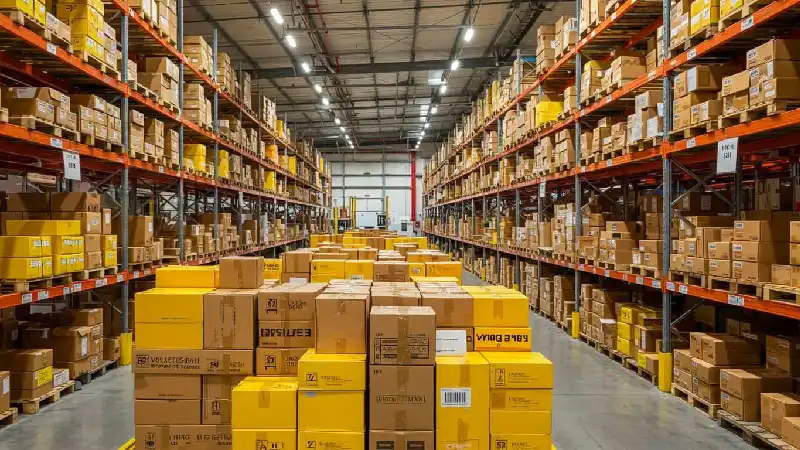
Portugal’s export sector has entered 2026 facing a more uncertain global environment as shifts in trade conditions begin to influence European markets. Over the past decade Portugal strengthened its position as a competitive exporter within the European Union, building strong trade links across manufacturing, automotive components, textiles, energy equipment and food products. However renewed volatility in international trade flows is forcing companies across the country to reassess supply chains, pricing strategies and market diversification plans. The changing environment is not unique to Portugal, but the country’s export driven industries are particularly sensitive to fluctuations in global demand and trade policy.
Global Trade Pressures Begin to Reshape European Export Markets
Across Europe, exporters are navigating a complex landscape shaped slower global growth, shifting supply chains and geopolitical tensions. Trade disruptions in recent years have encouraged many companies to rethink production networks and sourcing strategies. For European manufacturers this has meant balancing access to global markets with the need for more resilient and diversified supply chains.
Portugal’s exporters operate within this wider European framework. As part of the eurozone, Portuguese companies benefit from integration with the single market, yet they also face the same pressures affecting other EU economies. Trade fluctuations can influence everything from shipping costs to commodity prices, creating new challenges for businesses that rely heavily on international sales.
Portuguese exports have expanded steadily over the last decade, supported improvements in industrial productivity and strong demand from European partners. Key sectors such as automotive components, machinery, pharmaceuticals and renewable energy equipment have contributed significantly to the country’s export performance. The tourism sector also indirectly supports exports through international spending and service demand.
Manufacturing and Industrial Exports Under Pressure
Industrial exporters are among the most sensitive to changes in global trade conditions. Portugal’s manufacturing sector supplies products to markets across Europe, North America and emerging economies. Automotive supply chains are particularly integrated across borders, meaning disruptions in one region can quickly affect production elsewhere.
Rising transportation costs and fluctuations in energy prices have already forced some European manufacturers to adjust production planning. Portuguese companies are responding strengthening supplier networks and increasing efficiency in logistics and inventory management. Businesses are also exploring alternative export markets to reduce dependence on a small number of major trading partners.
While these adjustments require investment, they can also create opportunities for companies able to adapt quickly. Firms that successfully diversify their customer base and modernize operations may become more resilient to future disruptions in global trade.
Portugal’s Role in European Trade Networks
Portugal occupies a strategic position within the European trade system. Its Atlantic ports provide important connections between Europe, the Americas and parts of Africa. Infrastructure improvements in ports such as Sines have strengthened the country’s ability to handle international shipping and energy related trade.
The Port of Sines in particular has grown into a key logistics hub for cargo and energy transport. Increased investment in port capacity and digital logistics systems has helped improve efficiency and attract international shipping routes. These developments reinforce Portugal’s role as an entry point for goods moving between continents.
At the same time Portugal’s export structure has gradually diversified. Technology products, renewable energy equipment and specialized manufacturing now represent a larger share of exports compared with previous decades when textiles and traditional industries dominated the economy.
Trade Diversification and Market Expansion
One of the most important strategies for Portuguese exporters has been expanding into new markets beyond Europe. Portuguese companies have increased commercial ties with North America, Africa and parts of Asia, seeking opportunities that can offset fluctuations within the European market.
Trade agreements negotiated the European Union also play a role in shaping export opportunities. Access to new markets allows companies to reduce risk and spread exposure across multiple regions. For Portugal this approach has helped stabilize export performance even during periods of economic slowdown in individual markets.
Government agencies and trade promotion organizations continue to support Portuguese businesses seeking to expand internationally. Export assistance programs encourage companies to develop new partnerships and participate in global trade exhibitions where they can reach new customers.
Outlook for Portugal Export Economy
Despite the uncertainty surrounding global trade, Portugal’s export sector retains several structural advantages. Competitive labor costs, modern logistics infrastructure and access to the European single market all support the country’s ability to compete internationally. Continued investment in innovation and digitalization may further strengthen the competitiveness of Portuguese industries.
Economic analysts expect export growth to remain an important driver of Portugal’s overall economic performance in the coming years. While trade volatility presents challenges, the ability of companies to adapt through diversification and technological improvement will shape the sector’s long term outlook.
Conclusion
Portugal’s export sector is adjusting to a new phase of global trade volatility that is influencing markets across Europe. strengthening supply chains, expanding into new regions and investing in modern infrastructure, Portuguese exporters are positioning themselves to navigate uncertainty while maintaining their role in international trade.