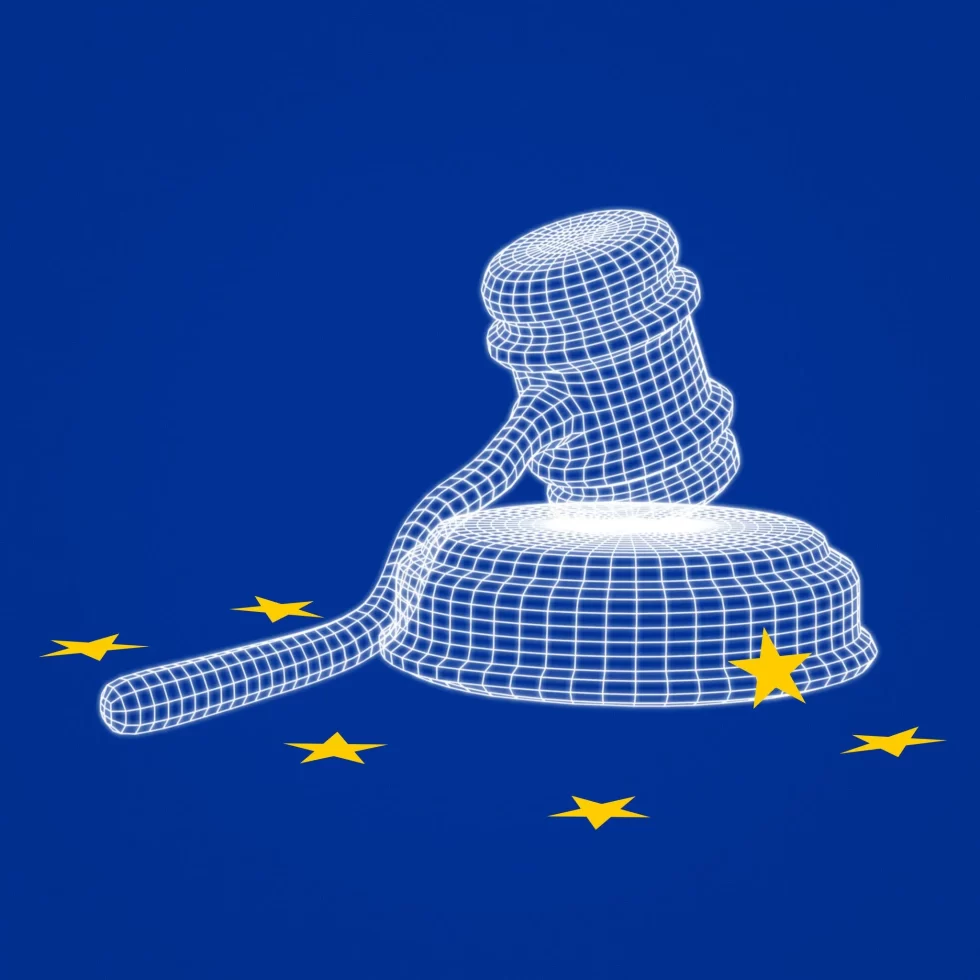
urope is beginning to reconsider parts of its tough stance on major technology companies as officials weigh how to balance regulation with innovation. After years of introducing strict rules targeting online competition, data privacy and platform conduct, policymakers are now questioning whether some measures need adjustment. The shift reflects broader concerns that Europe may be falling behind global competitors in fast moving digital sectors.
EU officials say the goal is not to abandon regulation but to refine policies so that they remain effective without slowing technological progress. Several member states have raised questions about how current rules interact with rapid developments in artificial intelligence, cloud services and digital infrastructure. They argue that regulations must evolve alongside the technologies they aim to govern.
The Digital Markets Act and Digital Services Act marked landmark efforts to rein in the influence of large tech platforms. However, early implementation has revealed practical challenges, including compliance burdens for smaller firms and difficulties enforcing complex requirements across the bloc. Some policymakers believe targeted updates could improve clarity and avoid unintended economic pressure on European businesses.
Industry leaders have welcomed the growing openness to recalibration. Tech companies say they support fair competition and responsible oversight but caution that overly rigid rules may discourage investment in Europe. They argue that clearer guidance, smoother procedures and more predictable enforcement could help foster a stronger digital ecosystem across the region.
Consumer and digital rights groups remain cautious about any major softening of the EU’s regulatory approach. They insist that strong protections are still necessary to safeguard users, limit monopolistic behaviour and ensure accountability for online platforms. Many advocates want adjustments to prioritise transparency and user rights without weakening the core principles behind Europe’s digital reforms.
The debate comes as global competition intensifies. The United States and parts of Asia continue to expand their influence in key digital sectors, prompting concerns about Europe’s long term competitiveness. EU officials are now exploring ways to support domestic innovation, including promoting start up growth, boosting digital skills and accelerating investment in AI research.
As discussions move forward, Brussels aims to create a more balanced framework that protects consumers while encouraging technological leadership. The review process is expected to continue over the coming months, with potential updates emerging later in the year. Europe’s evolving stance marks a pivotal moment in shaping how the continent navigates the future of Big Tech regulation.