Oil markets across Europe and Africa are facing increasing pressure as Asian demand accelerates, diverting critical supply flows and pushing prices to record levels. The shift comes as disruptions linked to the ongoing Strait of Hormuz crisis continue to limit Middle Eastern exports, forcing major importers in Asia to source crude from alternative regions. As a result, competition for available barrels has intensified, tightening supply in traditional European markets and reshaping global energy trade patterns at a time when seasonal demand is also rising.
Analysts report that significant volumes of oil are being redirected away from Europe toward Asia, particularly from West African producers such as Angola and Nigeria. These suppliers typically balance shipments between regions, but current market conditions have shifted that balance eastward. Data indicates that combined shipments from Europe and West Africa to Asia have increased notably, reflecting the urgency among Asian buyers to secure supply. This reallocation has reduced availability in European markets, contributing to rising costs and supply constraints.
The tightening market is also evident in pricing benchmarks, with North Sea crude grades reaching historic premiums compared to Brent. Key indicators in oil trading markets show strong demand for immediate delivery, suggesting that buyers are willing to pay significantly more to secure prompt supplies. At the same time, futures market structures point to ongoing supply concerns, with short term prices trading well above longer term contracts, reinforcing expectations of continued tightness in the near term.
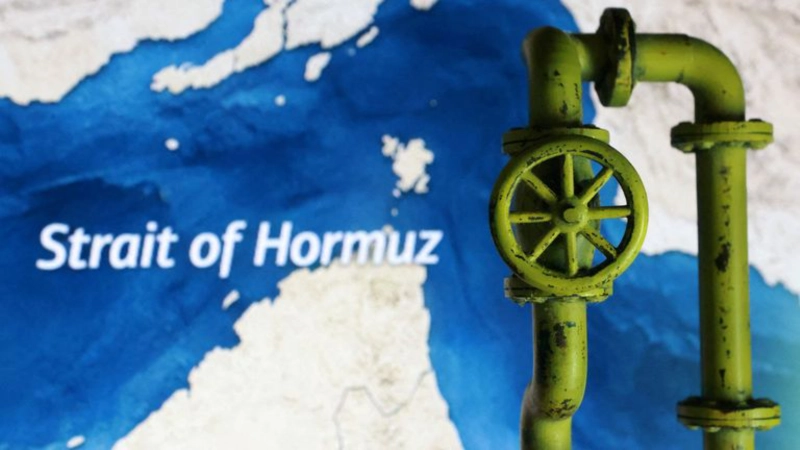
The situation has been exacerbated the impact of the Strait of Hormuz disruption, which has effectively removed a substantial portion of global oil supply from the market. The closure and ongoing security risks in the region have affected production and transport routes, particularly for Gulf producers. Given that Asia is the largest oil importing region globally and heavily reliant on Middle Eastern supplies, the shift toward European and African sources has intensified pressure across global supply chains and contributed to volatility in energy markets.
Market participants have also observed changes in shipping patterns, with multiple fuel cargoes being rerouted away from Europe toward Asia and Africa. Tankers carrying diesel and other refined products have altered destinations mid journey in response to pricing signals and demand shifts. This dynamic reflects the flexibility of global energy logistics but also highlights the scale of competition for limited supply, as traders seek to maximize returns redirecting shipments to higher priced markets.
The tightening of oil markets is expected to have broader economic implications, particularly for Europe, where higher energy costs could influence inflation and industrial activity. Analysts warn that continued supply disruption combined with strong demand could sustain upward pressure on prices in the coming weeks. As geopolitical tensions persist and global demand remains strong, energy markets are likely to remain volatile, with supply allocation and pricing continuing to evolve rapidly in response to shifting conditions.