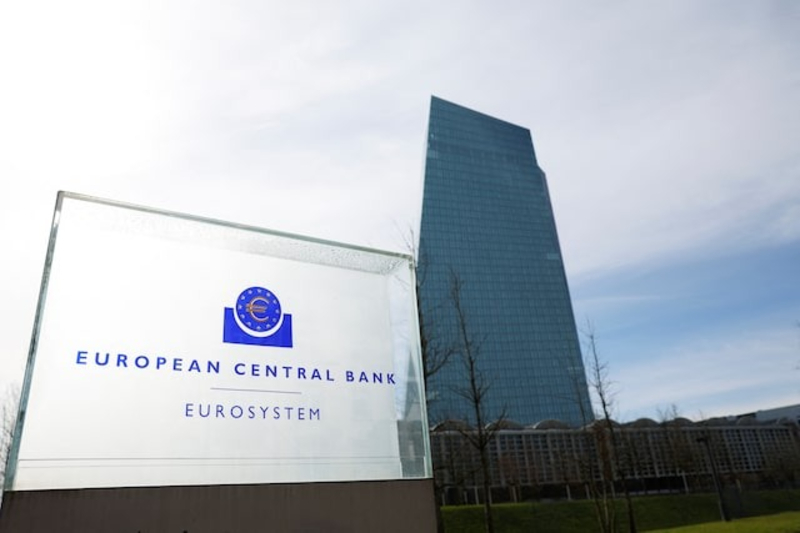
Major European asset managers are pushing back against recent volatility in bond markets that has sharply altered expectations for interest rate decisions the European Central Bank and the Bank of England. Large institutional investors say market reactions to rising energy prices and geopolitical tensions have been exaggerated, creating opportunities in government bond markets. The reassessment comes as traders rapidly shift forecasts about central bank policy in response to fluctuations in oil prices and inflation concerns. Investment firms managing trillions of euros argue that the sudden changes in rate expectations do not fully reflect underlying economic conditions across Europe.
Recent turbulence in global energy markets has played a central role in reshaping investor sentiment. Oil prices surged toward 120 dollars per barrel amid escalating conflict involving Iran, triggering renewed fears that inflation could rise again in major economies. At one stage during the week traders began pricing in the possibility that the Bank of England might raise interest rates later this year despite earlier expectations of a rate cut. However market sentiment shifted quickly after oil prices retreated, with traders returning to the view that there remains a roughly fifty percent chance of a rate cut the end of the year.
Similar swings have also affected expectations surrounding the European Central Bank. Just weeks ago financial markets were anticipating possible rate reductions as inflation appeared to moderate across the euro zone. More recently traders briefly priced in as many as two interest rate increases the ECB during 2026 before adjusting their outlook again. Current market pricing suggests roughly a seventy percent probability that the central bank could raise rates once December. Analysts say these rapid changes highlight the uncertainty investors face when geopolitical developments interact with economic policy expectations.
Some of Europe’s largest investment firms believe the bond market response has been excessive. Asset managers such as Amundi have begun increasing exposure to short term government bonds in countries including the United Kingdom and Italy. Senior portfolio managers argue that the recent spike in yields has created attractive entry points for investors willing to look beyond short term market noise. Many believe the shifts have been amplified traders unwinding positions that were previously built around expectations of falling interest rates before geopolitical tensions intensified.
The impact of inflation fears has been particularly visible in shorter dated government bonds that are most sensitive to central bank policy decisions. Two year government bond yields in both Britain and Germany have climbed roughly thirty basis points as bond prices declined. For some investors this adjustment has created opportunities to acquire debt instruments offering higher yields compared with previous months. Investment managers say that if markets continue to overprice the risk of rate increases, government bonds could provide strong value relative to other financial assets.
Portfolio managers at several major investment firms remain cautious about assuming that central banks will respond immediately to energy price movements. Many argue that policymakers are likely to wait for broader economic data before changing interest rate policy. Analysts point to a combination of moderating inflation trends, weakening labor market conditions in some economies and tight fiscal policies as factors that could still support lower interest rates in the medium term. For investors with long term strategies this environment could favor government bonds, particularly those offering higher yields after the recent market adjustments.
Financial institutions are therefore positioning portfolios to benefit from potential corrections in bond markets. Some investors have increased holdings of longer dated British government bonds while comparing their performance with United States Treasury securities. Others are balancing short term bonds with selective exposure to longer maturities depending on their outlook for economic growth and inflation. As global markets continue to react to geopolitical developments and energy price fluctuations, investors across Europe are closely monitoring central bank signals for clearer guidance on the direction of interest rate policy.