






Steady progress toward national immunization goals
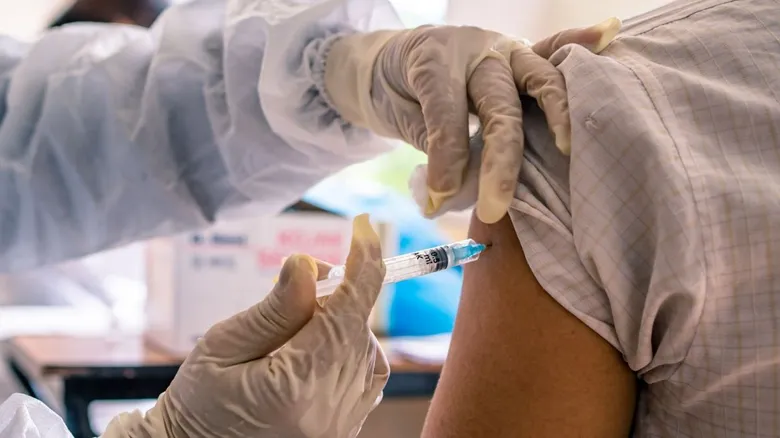
Portugal’s annual flu vaccination campaign is approaching its target, reflecting strong public participation and sustained health system coordination. According to the latest figures, another fourteen thousand and sixty six people were vaccinated against influenza last week alone. This brought the cumulative total number of vaccinated individuals since the start of the campaign to two million four hundred ninety two thousand five hundred ninety four, placing the country just short of the planned objective.
The target of approximately two point five million vaccinations was set Direção-Geral da Saúde, commonly known as the DGS, as part of its seasonal strategy to reduce the impact of influenza during the winter months. The near achievement of this goal suggests broad public adherence to health recommendations.
Why vaccination coverage matters this season
Seasonal influenza continues to pose significant risks, particularly to older adults, people with chronic illnesses, and healthcare systems already under pressure. High vaccination coverage plays a crucial role in reducing severe cases, hospitalizations, and flu related complications.
Health authorities have repeatedly stressed that influenza vaccination is not only about individual protection but also about collective resilience. limiting the spread of the virus, widespread immunization helps protect vulnerable populations and reduces strain on hospitals and primary care services during peak respiratory illness season.
This year’s campaign has been especially important due to ongoing concerns about overlapping respiratory infections and the cumulative burden on healthcare services.
Factors supporting strong vaccination uptake
Several factors have contributed to the campaign’s progress. Early planning and distribution of vaccines allowed health centers and pharmacies to begin vaccinations ahead of peak flu circulation. Clear public messaging from health authorities also played a role in encouraging participation, particularly among high risk groups.
Accessibility has been another key factor. Vaccinations have been widely available through public health services and participating pharmacies, making it easier for people to receive the vaccine without long waiting times or complex procedures.
In addition, increased public awareness following recent public health crises has made many individuals more receptive to preventive measures, including seasonal vaccination.
Regional and demographic participation trends
Although national figures point to near universal target achievement, vaccination rates can still vary region and demographic group. Older adults remain the most consistently vaccinated segment, reflecting longstanding recommendations and targeted outreach.
Younger adults and working age populations have also shown improved participation compared to previous years. This shift suggests growing recognition that influenza can significantly disrupt work, education, and family life, even among those not traditionally considered high risk.
Health authorities continue to monitor coverage levels closely to identify gaps and direct outreach where needed.
Impact on healthcare system readiness
Approaching the vaccination target has positive implications for healthcare system preparedness. Higher immunization rates are associated with fewer emergency visits and reduced pressure on hospital beds during the winter.
This is particularly important as health services balance routine care with seasonal surges in respiratory illnesses. preventing severe flu cases, vaccination helps ensure that resources remain available for other urgent medical needs.
Officials emphasize that even small increases in vaccination coverage can have a meaningful impact on overall system resilience.
Remaining steps before campaign conclusion
With the campaign close to its target, health authorities continue to encourage eligible individuals who have not yet been vaccinated to do so. Late season vaccination can still offer protection, especially if influenza circulation remains active in the coming weeks.
The DGS has reiterated that reaching the target is not an endpoint but part of a broader preventive strategy that includes surveillance, public awareness, and timely medical response.
A positive signal for public health
The near completion of the flu vaccination target sends a positive signal about public trust in health guidance and the effectiveness of coordinated public health campaigns. While influenza remains a recurring seasonal challenge, high vaccination uptake significantly reduces its impact.
As the campaign enters its final phase, the focus remains on closing remaining gaps and reinforcing the importance of prevention as a cornerstone of public health policy.


