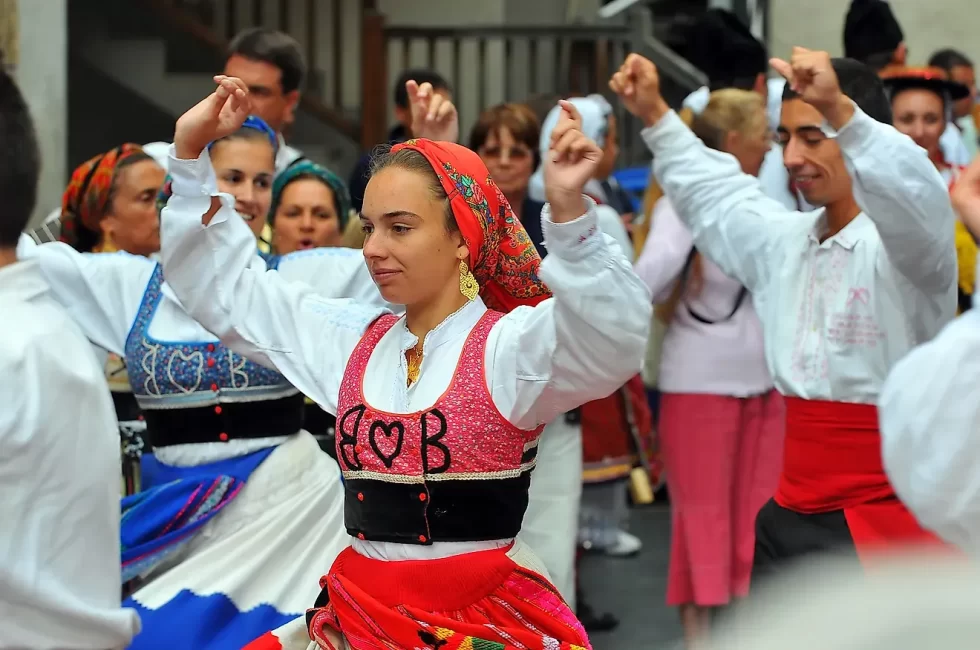
Portuguese culture is finding a new global audience in 2025 through social media platforms, especially TikTok, Instagram, and YouTube. What was once shared mainly through tourism, literature, and local festivals is now reaching millions online in short, visual, and highly engaging formats. From food and music to daily rituals, Portugal’s traditions are being rediscovered in digital form.
This cultural visibility is not driven institutions alone but everyday creators. Young Portuguese users, diaspora communities, and curious visitors are turning local customs into viral content. The result is a blend of heritage and modern storytelling that is reshaping how Portugal is seen worldwide.
How Traditional Culture Fits Digital Platforms
Portuguese traditions translate surprisingly well to short form video. Visual elements such as azulejo tiles, historic streets, pastel de nata preparation, and coastal landscapes capture attention instantly. These visuals work well in fast scrolling environments.
Music and sound also play an important role. Traditional fado songs, folk rhythms, and regional sounds are often paired with modern edits or remixes. This makes heritage content relatable to younger audiences without losing its emotional depth.
Daily life rituals are another focus. Coffee breaks, market visits, and family meals offer authentic glimpses into Portuguese culture. These moments feel genuine, which is key to online engagement.
The Role of Young Creators and Digital Storytelling
Young creators are at the center of Portugal’s viral cultural moment. Many use social media to express identity, humor, and pride in local traditions. Their content often blends nostalgia with contemporary commentary.
Storytelling is informal and personal. Rather than formal explanations, creators show culture through experience. This approach feels accessible to international viewers who may not speak Portuguese.
In 2025, creators are also more aware of global audiences. Subtitles, translations, and cultural context help videos travel beyond national borders. This intentional accessibility fuels viral reach.
Food, Lifestyle, and Everyday Aesthetics
Portuguese food has become one of the most shared cultural elements online. Videos featuring traditional dishes, bakeries, and home cooking routines attract strong engagement. The simplicity and authenticity resonate with viewers.
Lifestyle content also performs well. Slow living, coastal walks, and community centered routines contrast with fast paced urban life elsewhere. This positioning aligns with global interest in balance and well being.
Aesthetic consistency plays a role. Warm colors, natural light, and historic settings give Portuguese content a recognizable visual identity. This makes it easy to spot and share.
Tourism, Identity, and Cultural Curiosity
Viral culture content has influenced tourism interest. Many viewers discover destinations through social media before traditional travel guides. Portugal benefits from this organic exposure.
At the same time, digital culture shapes identity. Portuguese users see their traditions validated and celebrated globally. This strengthens cultural confidence and intergenerational connection.
However, there is also concern about oversimplification. Some fear that viral trends may reduce complex traditions to surface level aesthetics. Creators and audiences are increasingly aware of this balance.
The Influence of the Portuguese Diaspora
Diaspora communities play an important role in spreading Portuguese culture online. Living abroad, they use social media to reconnect with heritage and share it with mixed audiences.
These creators often combine cultural education with personal narrative. This adds depth and context, helping traditions feel alive rather than frozen in time.
In 2025, diaspora voices contribute to a more global and inclusive image of Portuguese culture. They act as cultural bridges between Portugal and the wider world.
Challenges of Virality and Cultural Responsibility
Going viral brings challenges. Misrepresentation, cultural clichés, and commercial exploitation are ongoing concerns. Not all content reflects the full diversity of Portuguese culture.
There is also tension between authenticity and performance. As content becomes monetized, creators must balance creativity with responsibility. Audiences increasingly value sincerity over exaggerated trends.
Cultural institutions are starting to engage with digital platforms. Collaboration with creators helps ensure respectful representation while embracing modern communication.
Conclusion
Portuguese culture is going viral in 2025 as tradition meets digital creativity. Through short form video and personal storytelling, everyday customs are reaching global audiences. While challenges remain, this online visibility is reshaping how Portugal’s heritage is shared and understood. When balanced with authenticity and respect, digital platforms are giving Portuguese culture a powerful new voice.