Germany is moving closer to finalizing a new model for military service after months of debate, though questions remain about how the country will meet its long-term defense recruitment goals. Federal Defence Minister Boris Pistorius announced on Monday that the government could unveil its final proposal later this week.
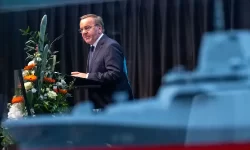
Speaking to soldiers during a visit to Münster, the Social Democratic Party (SPD) minister expressed confidence that a compromise was within reach. “Sometimes it just takes a bit of time, and not everything that is presented as a huge dispute ends up being one,” he said, seeking to downplay reports of deep divisions within the government.
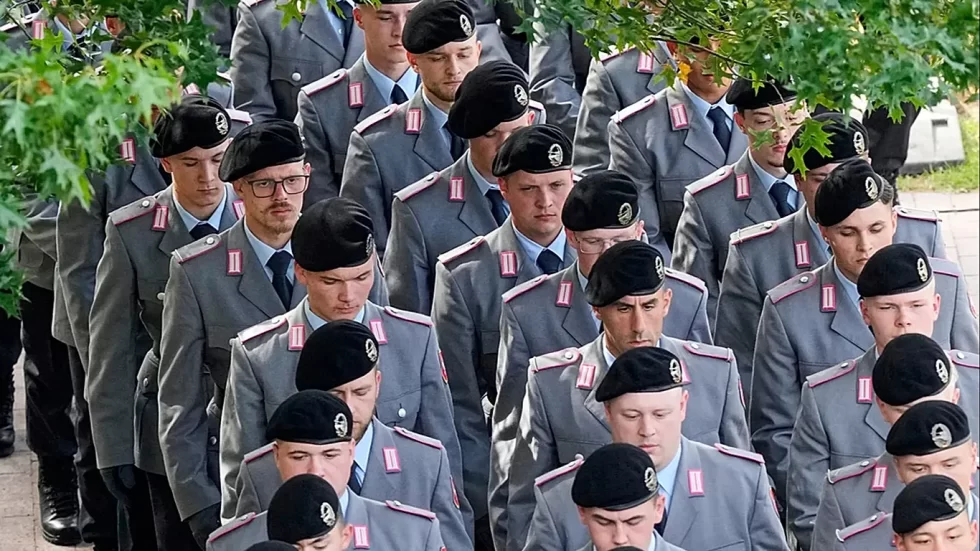
The upcoming plan follows the Bundestag’s approval earlier this year of a new military service framework designed to boost recruitment tens of thousands annually. The goal is to expand the Bundeswehr to approximately 460,000 personnel, including reserves, 2035. However, the precise balance between voluntary and compulsory service remains a sticking point between political factions.
The draft legislation, referred to as the “New Military Service Act,” envisions a primarily voluntary model. Yet it leaves the door open for partial conscription if recruitment targets are not met. This conditional clause has ignited disagreements within the ruling coalition and among opposition lawmakers.
According to Thomas Röwekamp, chairman of the Bundestag’s Defence Committee and a member of the Christian Democratic Union (CDU), the main obstacles lie in the details rather than the overall concept. “I am convinced that an agreement will be reached this week,” he said. Röwekamp added that it was not yet clear whether the announcement would coincide with the 70th anniversary of the Bundeswehr on November 12 or come earlier through a coalition meeting.
The Defence Ministry’s plan aims to strengthen both national and alliance defense capabilities. Of the targeted 460,000 troops, about 260,000 would serve as active-duty soldiers, while roughly 200,000 would be reservists. Pistorius emphasized that this expansion should be achieved through voluntary enlistment rather than forced conscription, in keeping with the coalition agreement between the SPD, Christian Social Union (CSU), and CDU.
“We want a system based on commitment and opportunity, not obligation,” Pistorius said, stressing that voluntary service is essential to maintaining morale and attracting motivated recruits. He has repeatedly cited Sweden’s hybrid model, which blends voluntary enlistment with selective recruitment, as an inspiration for Germany’s reform.
The SPD supports this voluntary approach, arguing that the Bundeswehr must become more appealing through better pay, modern facilities, and improved working conditions. Pistorius has proposed a “comprehensive package” to make military service more attractive, particularly to younger generations.
The CDU/CSU, however, favors introducing a limited random selection system to ensure adequate numbers during recruitment shortfalls. They argue that relying solely on volunteers could leave the military vulnerable to manpower gaps in times of crisis. Pistorius has rejected this idea, insisting that recruitment should be based on physical aptitude and professional skills, not chance.
Despite these differences, both sides agree on the urgent need to rebuild the Bundeswehr after years of underinvestment. The Russian invasion of Ukraine has reignited public debate over national defense and prompted calls for Germany to strengthen its armed forces.
Analysts say the new service model could mark a turning point in Germany’s approach to national security. However, the details of how it will be implemented and whether the voluntary model will be enough to meet recruitment goals remain unresolved.
For now, the government appears determined to strike a balance between maintaining public support and ensuring military readiness. As Pistorius put it, “The challenge is not only to rebuild our forces, but to do so in a way that reflects our democratic values.”