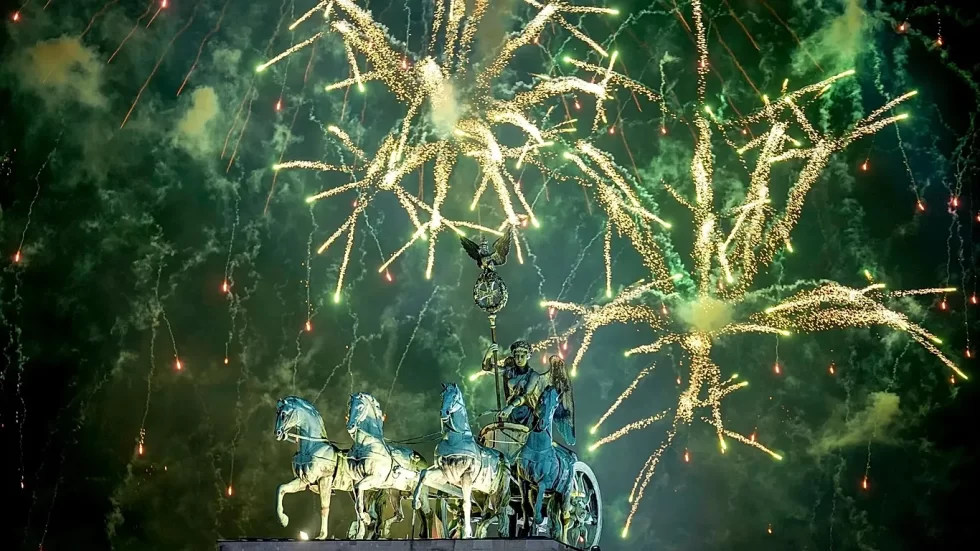
As 2025 draws to a close, Germany is once again preparing for its most explosive tradition. For decades, setting off fireworks at midnight on New Year’s Eve has been a deeply rooted custom across the country. Streets fill with smoke and colour as families, friends and neighbours welcome the new year with loud celebrations. Yet what many still see as festive joy is increasingly being viewed others as a public safety risk that has turned celebration into trauma.
Opposition to private fireworks has been growing steadily, driven the scale of injuries and damage reported each year. City centres often wake up on New Year’s Day littered with debris, damaged property and emergency vehicles responding to overnight incidents. Hospitals regularly report a surge in admissions linked directly to fireworks related accidents.
Last New Year’s Eve proved particularly severe. Five people lost their lives as a result of injuries caused fireworks or accidental explosions, while hundreds more were treated for burns, eye trauma and hearing damage. Emergency services across the country described the night as one of the busiest of the year, with ambulances and fire crews stretched to their limits.
Medical organisations have repeatedly raised the alarm. The German Medical Association and the German Ophthalmological Society have warned that eye and ear injuries spike dramatically during New Year celebrations. Doctors say some patients suffer permanent damage, including loss of sight, severe hearing impairment or lasting scarring to hands and faces.
Beyond personal injury, there is growing concern over the broader impact on urban safety. Fires sparked fireworks regularly damage homes, vehicles and public buildings. In densely populated areas, fireworks thrown at random have become a particular issue, leading to clashes between revellers and emergency responders. Police unions have reported rising incidents of officers and firefighters being targeted while on duty during New Year celebrations.
Environmental and animal welfare groups have also joined the debate. Fireworks contribute to air pollution, litter public spaces with toxic residue and cause distress to pets and wildlife. For many residents, especially the elderly or families with small children, the noise and chaos have become a source of anxiety rather than celebration.
Despite these concerns, public opinion remains divided. Many Germans view private fireworks as a cherished expression of freedom and tradition. Fireworks sales remain strong, and calls for outright bans often face resistance from those who argue that responsible use should not be punished because of reckless behaviour a minority.
However, experts increasingly say incremental restrictions are no longer enough. Medical professionals and safety advocates are now calling for a cultural shift rather than simple regulation. They argue that celebrations can evolve, pointing to organised public displays, light shows or community events as safer alternatives that preserve festivity without the widespread harm.
Some cities have already introduced limited bans in central areas or near hospitals, with mixed results. Supporters say injuries decline where restrictions are enforced, while critics argue that bans simply push dangerous behaviour into residential neighbourhoods.
In Germany, the fireworks debate has reached a tipping point. What was once seen as harmless fun is now being weighed against rising medical costs, emergency strain and preventable loss of life. As another New Year approaches, the question facing the country is whether tradition alone is enough to justify the growing toll.