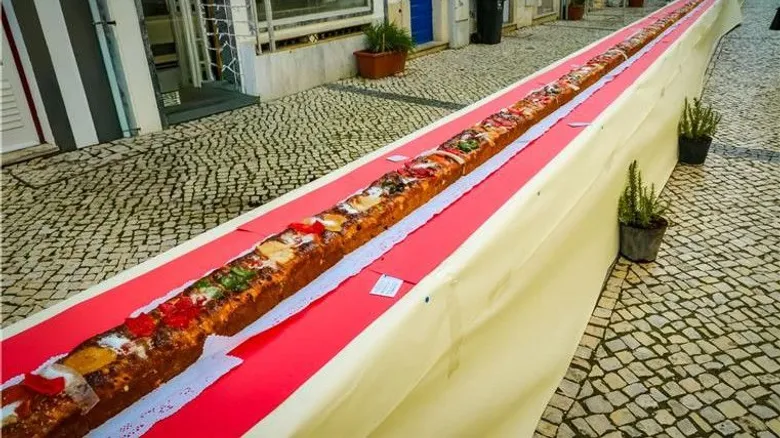
A traditional cake served on a spectacular scale
A giant version of Portugal’s iconic Bolo Rei will be served on 10 January in the Alentejo region, turning a beloved festive tradition into a large scale public celebration. The cake will be unveiled and shared with visitors from 3 pm in Portas de Mértola, a historic area that has increasingly become a focal point for cultural and gastronomic events.
The initiative transforms a familiar seasonal dessert into a moment of collective celebration, inviting residents and visitors alike to gather around one of Portugal’s most symbolic cakes.
Why Bolo Rei still matters in Portuguese culture
Bolo Rei holds a special place in Portuguese culinary tradition. Traditionally associated with Christmas and Epiphany, the ring shaped cake is rich with dried fruits, nuts and candied peel, symbolising abundance and sharing. While it is commonly eaten at home or bought from local bakeries, serving it in a public square elevates its meaning beyond the table.
Events like this reinforce how food functions as cultural glue in Portugal. Rather than remaining confined to private spaces, traditions are brought into the open, encouraging intergenerational participation and community pride.
Portas de Mértola as a cultural stage
Portas de Mértola, located in the Alentejo, has become increasingly active in hosting events that highlight regional identity. choosing this setting, organisers are linking gastronomy with place, reinforcing local heritage while attracting visitors during a quieter time of year.
Alentejo is known for its slow paced lifestyle, strong communal ties and deep respect for tradition. A giant Bolo Rei fits naturally into this context, combining craftsmanship, patience and shared enjoyment.
More than a dessert event
Although the cake is the main attraction, such initiatives often carry broader goals. Public food events support local commerce, encourage tourism and create opportunities for social interaction. For smaller cities and regions, these gatherings help counter seasonal lulls and bring visibility to local culture.
Visitors attending the event are likely to explore nearshops, cafés and historical sites, spreading economic benefits beyond the immediate celebration.
Timing and symbolic value
Holding the event on 10 January aligns with the traditional Epiphany period, when Bolo Rei is most closely associated. While many households now consume it throughout December, its roots lie in marking the end of the festive season.
Serving a giant version at this moment creates a symbolic closing gesture to the holidays, allowing communities to come together one last time before returning fully to everyday routines.
Community participation at the heart of the event
Unlike ticketed festivals, public food sharing events are typically open and informal. This accessibility is part of their appeal. People can arrive without obligation, taste the cake, talk with neighbours and participate in a shared experience that feels both ordinary and special.
For older generations, it reinforces continuity. For younger ones, it offers a tangible connection to traditions that might otherwise feel abstract or outdated.
A broader trend in celebrating food heritage
Across Portugal, there has been a renewed interest in celebrating food heritage through public events. From bread festivals to olive oil tastings, regions are increasingly using gastronomy as a way to tell their story.
The giant Bolo Rei in Portas de Mértola fits within this trend, showing how even familiar foods can be reimagined as cultural landmarks when placed at the centre of community life.
A simple idea with lasting impact
At its core, the event is simple. A cake, a place and a time. Yet its impact goes beyond the dessert itself. It reinforces identity, strengthens social bonds and reminds people that tradition does not have to be static to remain meaningful.
As the giant Bolo Rei is shared slice slice, it becomes more than a sweet treat. It becomes a symbol of continuity, generosity and the quiet strength of local culture in the Alentejo.