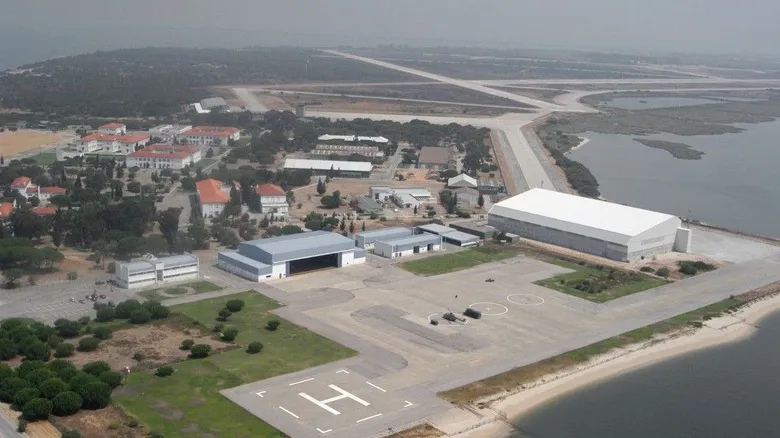
The Portuguese government has decided to change how it approaches revisions to the minimum specifications of the future Lisbon airport, opting for direct agreement between the involved parties rather than setting up a formal negotiating committee.
According to officials familiar with the decision, the move is intended to simplify the process and speed up discussions around potential changes to the airport’s technical and operational requirements. Instead of creating a new body to negotiate adjustments, the government believes that direct dialogue will allow stakeholders to reach consensus more efficiently.
The new Lisbon airport has long been one of Portugal’s most complex and politically sensitive infrastructure projects. Designed to relieve pressure on the capital’s existing airport and support long term growth in tourism and trade, the project has faced repeated delays, debates over location, and disagreements about environmental and operational standards.
avoiding the formation of a negotiating committee, the government is signaling a preference for a more flexible and pragmatic approach. Officials argue that a committee structure could slow progress adding extra layers of bureaucracy at a time when clarity and momentum are needed.
Supporters of the decision say that direct agreements can help resolve technical issues more quickly, particularly when only limited changes to specifications are under consideration. They also suggest that this approach may reduce the risk of prolonged disputes among public bodies, regulators, and private partners involved in the project.
Critics, however, warn that bypassing a formal negotiating framework could raise concerns about transparency and oversight. Large scale infrastructure projects often rely on clearly defined processes to ensure that all interests are represented and that decisions are properly documented. Without a committee, some fear that key details could be settled behind closed doors.
The government has sought to reassure the public that any changes to the airport’s minimum specifications will still comply with legal requirements and broader policy goals, including safety, environmental protection, and economic viability. Officials insist that the decision does not mean lowering standards, but rather adjusting technical details to reflect evolving needs and constraints.
As planning for the new airport continues, the coming months are expected to be crucial in determining whether this streamlined approach can deliver results. With Lisbon’s existing airport operating near capacity, pressure is mounting for clear progress on a project seen as vital to the country’s future connectivity.
For now, the government’s choice reflects a broader effort to keep the long delayed airport plan moving forward, even as debates over its final form and specifications remain very much alive.