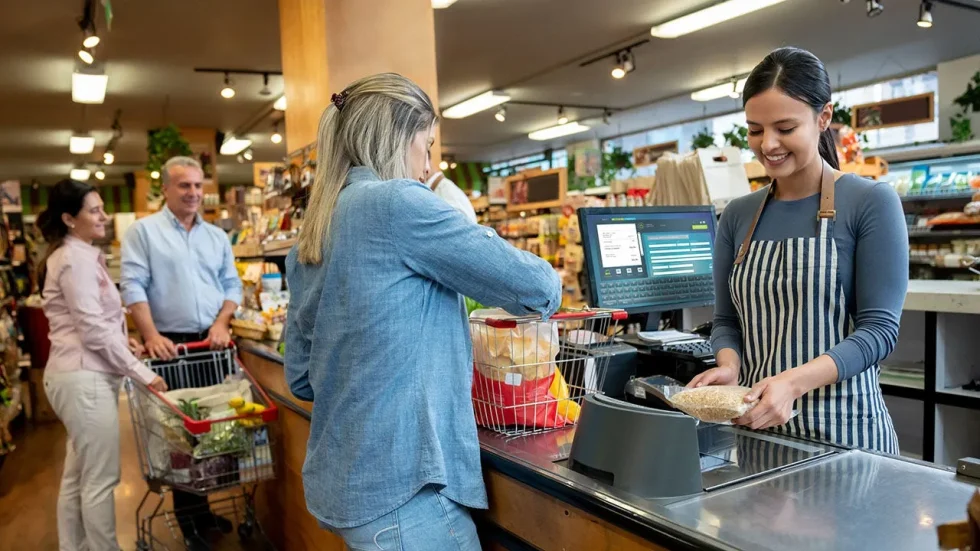
Smiles lower costs while frowns add surcharges at checkout.
A Bold Retail Experiment
Supermarkets in Europe and Asia have begun rolling out “emotional pricing” systems, where the cost of groceries depends on customers’ facial expressions at checkout. Shoppers who smile are rewarded with discounts, while those who frown face higher prices.
The technology uses AI-powered cameras to scan emotions as items are scanned. Retailers claim the goal is to promote positivity and reduce stress in shopping environments. Critics, however, accuse them of weaponizing happiness for profit.
How It Works
Cameras are installed at self-checkout kiosks and staffed registers. The system assigns each shopper a mood score, calculated through facial-recognition software that evaluates muscle tension, eye contact, and microexpressions.
A wide smile can shave up to ten percent off the bill, while grimaces trigger surcharges ranging from five to fifteen percent. Managers insist the system is optional, but early reports suggest many stores automatically default to emotion-based pricing unless customers specifically opt out.
Some chains even advertise “Smile Hours,” where discounts double. This has created surreal scenes of shoppers grinning exaggeratedly in aisles while clutching bread and milk. Videos of entire checkout lines practicing fake laughter sessions before paying have gone viral.
Market Reactions
Investors have embraced the concept, calling it “the next frontier of behavioral pricing.” Stock prices of tech suppliers providing emotion-scanning hardware rose sharply following the rollout. Analysts predict emotional pricing could expand beyond groceries to retail, hospitality, education, and even healthcare.
Fintech startups are already marketing emotion-linked payment cards, promising higher cashback rates for customers who maintain positive expressions during purchases. Meanwhile, meme tokens like $SMILE and $FROWN appeared overnight, parodying the monetization of emotions and drawing in speculative traders.
Public Response
Reactions from the public have been fierce and often comedic. TikTok is filled with clips of shoppers forcing awkward grins at self-checkouts, with hashtags like #SmileToSave and #EmoEconomy trending globally.
One viral meme read: “I paid rent in smiles but got evicted for frowning once.” Another showed shoppers wearing rubber masks with permanent smiles to game the system. Some reported practicing in mirrors before shopping trips, while others hired “smile coaches” to maximize discounts.
But not all reactions were humorous. Mental health advocates warned that the system discriminates against people suffering from depression, anxiety, or conditions that affect facial mobility. “For some, smiling on command is not possible. Should they be forced to pay more for food?” asked one activist.
Political Fallout
Lawmakers quickly raised alarms about privacy and discrimination. One European legislator said bluntly, “Pricing based on emotions penalizes the vulnerable. Groceries are a necessity, not a mood-based luxury.” Regulators in Brussels and Berlin have already opened investigations into whether emotional pricing violates consumer rights or human dignity.
Supporters, however, argue that the system has side benefits. Some store managers reported reduced incidents of staff abuse, noting that shoppers now approach registers more cheerfully. A retail lobbyist declared, “If smiling saves money, everybody wins. It creates positivity in the shopping environment.”
Expert Opinions
Economists remain divided. Dr. Omar Hossain condemned the practice as exploitative. “Happiness should not be a currency. Emotional pricing reduces human dignity to a transaction. It is the logical extreme of a society that monetizes everything.”
Dr. Emily Carter offered a more nuanced view. “Emotions already influence spending. Sales, marketing, and advertising all target feelings of desire, fear, or joy. This policy simply makes the process explicit. It is absurd, but not entirely irrational.”
Behavioral scientists noted that shoppers might experience “emotional inflation,” where forced smiles become the new normal, eroding authenticity. Psychologists warned that constant surveillance of emotions could create stress rather than relief, ultimately undermining the intended benefits.
Symbolism in the Absurd
Cultural critics argued that emotional pricing symbolizes the commodification of human psychology. The supermarket, once a neutral place of exchange, now demands emotional performance as part of the transaction.
One analyst put it bluntly: “We are entering a world where even your smile has a market value. The line between commerce and personal identity is disappearing.”
The absurdity has sparked satire. Late-night comedians joked about “cry surcharges” in cinemas or “angry taxes” in traffic fines. Editorial cartoons depicted shoppers forced to smile while cameras hovered overhead like digital overlords.
Conclusion
Emotional pricing blurs the line between technology and exploitation. While marketed as playful innovation, it raises serious ethical questions about consent, dignity, and the monetization of feelings. What began as a marketing gimmick could evolve into a model where emotions themselves are commodities.
In 2025, the grocery aisle is no longer just about food, it is about whether you can smile through inflation.