Markets react to geopolitics in familiar ways
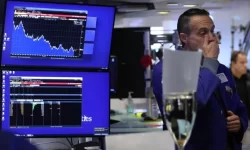
The dramatic shift in global politics following renewed US interventionism has once again reminded investors how closely markets track power and policy. With Washington asserting itself more forcefully on the global stage, most recently through actions linked to Venezuela, financial markets are recalibrating risk rather than retreating from it. The result has been a familiar pattern. Oil prices have softened instead of spiking, defence stocks have surged, and investors are looking for ways to position portfolios for a world where geopolitics drives sector performance more than macro growth alone.
This environment reflects what some analysts describe as a new world order, one where political assertiveness replaces multilateral caution, and where markets adapt quickly to shifting rules.
Why oil is not behaving like a crisis asset
In previous decades, turmoil involving major oil producing nations would have sent crude prices sharply higher. This time, the reaction has been more muted. Oil prices have edged lower as markets focus less on disruption and more on potential future supply. The logic is straightforward. Venezuela’s reserves are vast, but its production has been constrained years of mismanagement and sanctions. Any political reset is viewed markets as a long term supply story rather than an immediate shock.
For investors, this means traditional crisis driven oil trades may disappoint. Energy exposure is increasingly about balance sheets, efficiency, and global diversification rather than headline geopolitics alone. Large integrated producers and refiners with global operations are seen as safer ways to participate than pure bets on crude prices.
Defence stocks emerge as clear winners
While oil has remained calm, defence stocks have moved decisively higher. Increased geopolitical tension tends to support defence spending regardless of economic cycles. Investors see rising military budgets, sustained procurement programmes, and long visibility on government contracts as powerful tailwinds.
Defence companies benefit not only from direct conflict risk but from a broader sense of strategic uncertainty. Even without active escalation, governments are more willing to invest in security, technology, and readiness. For portfolios, defence has become a way to gain exposure to geopolitical risk without relying on volatile commodities.
Commodities and hedges regain relevance
Beyond energy and defence, investors are also revisiting commodities and safe haven assets. Precious metals have attracted renewed interest as geopolitical uncertainty reinforces their role as stores of value. This is less about dramatic upside and more about protection. In a fragmented global system, hedging becomes a core strategy rather than an afterthought.
Some investors are pairing equity exposure with selective commodity positions to balance risk. The idea is not to predict outcomes but to remain resilient across multiple scenarios.
The importance of duration and patience
One of the biggest mistakes investors make during geopolitical shocks is confusing short term headlines with long term fundamentals. Markets often price in outcomes long before they materialise. Venezuela’s oil sector, for example, would take years of investment and political stability to return to meaningful output. Investors betting on quick gains tied directly to regime change may find themselves disappointed.
More experienced players are thinking in terms of multi year positioning. Defence spending, supply chain realignment, and capital flows away from politically sensitive regions are slow moving trends that reward patience rather than timing.
Risks of overplaying geopolitics
While opportunities exist, geopolitical investing carries clear risks. Political outcomes are unpredictable, public sentiment can shift rapidly, and policy reversals are always possible. Overconcentration in any single theme can amplify losses if assumptions prove wrong.
This is why many strategists favour diversified exposure. Instead of chasing one trade, they build portfolios that reflect a higher baseline of global tension without relying on any single event to deliver returns.
A market shaped power not optimism
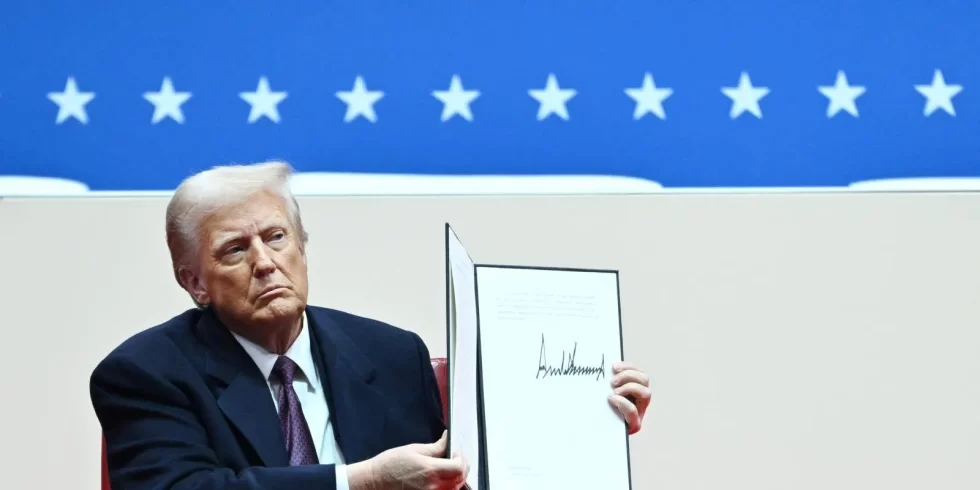
Trump’s return to a more confrontational global posture has reinforced a reality investors are already adapting to. Markets are no longer driven purely growth narratives or central bank policy. Power, security, and strategic competition now play a larger role in shaping returns.
For investors, profiting from this new world order is less about predicting the next crisis and more about understanding which sectors benefit from sustained uncertainty. Defence, select energy exposure, and hedging assets stand out not because they promise spectacular gains, but because they align with the direction of global risk.