Nations asked to track debt alongside daily steps.
Alexandra Chen | Stablecoin & Regulation Analyst
A Healthier Future for Finance
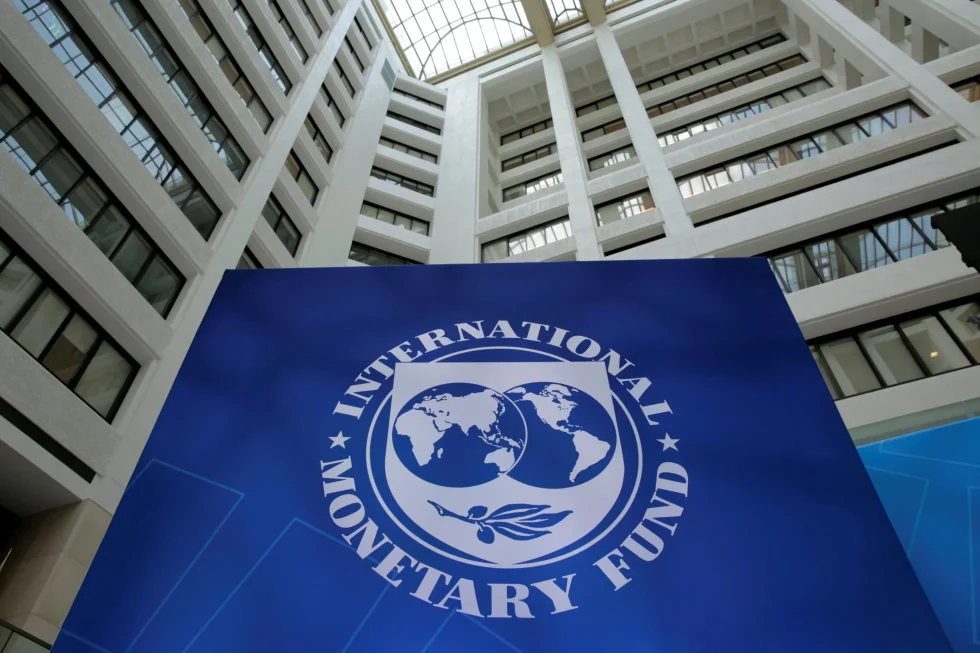
In an unexpected rebranding effort, the International Monetary Fund announced this week that it will relaunch as a global wellness app. The organization, long known for its spreadsheets and austerity measures, now markets itself as “the world’s largest fitness tracker for economies.”
The IMF’s new mobile platform allows nations to log daily steps, record budget deficits as calories, and monitor debt levels on sleek dashboards featuring inspirational quotes like “One day at a time, one loan at a time.”
How It Works
Instead of negotiating traditional loan packages, countries now receive personalized “wellness plans.” These include fiscal meditation exercises, debt detox diets, and motivational push notifications such as “You have not met your repayment steps today get moving.”
The app syncs with wearable devices for finance ministers, tracking heart rates during negotiations. If a minister’s stress spikes, the app recommends yoga breaks before approving the next tranche of funds.
A pilot version has already been tested in several small nations. One finance official reported, “It congratulated us for a budget surplus giving us a digital badge shaped like a golden coin. It was strangely motivating.
Market Reactions
Markets reacted with cautious optimism. Analysts praised the rebrand as an attempt to modernize an institution often criticized for being out of touch. Shares in wellness companies soared as investors speculated on partnerships, while meme traders launched parody tokens like $ZENDEBT and $FISCALFIT.
Skeptics warned the shift trivialized serious economic issues. One hedge fund analyst remarked, “A debt crisis cannot be solved with positive affirmations and daily reminders to hydrate.”
Public Response
The public reaction was swift and satirical. TikTok is filled with parodies of citizens checking their country’s “debt step count,” hashtags like #DebtDetox and #IMFFitness trending worldwide.
One viral meme showed a country proudly posting its monthly progress: “We reduced our deficit ten percent. Feeling cute, might restructure later.” Another depicted a finance minister screenshotting their streak of “seven consecutive days of fiscal discipline.”
Some users embraced the gamification. “If paying taxes came with badges and levels, I would be more motivated,” one commenter joked.
Political Fallout
Lawmakers and diplomats expressed mixed views. A European official applauded the shift, calling it “a fresh way to engage citizens in fiscal responsibility.” In contrast, leaders from developing nations accused the IMF of trivializing their struggles. “We do not need yoga tips,” one minister said. “We need fair loans.”
In the United States, senators debated whether the national debt should now be displayed on public leaderboards. Critics feared the system might create “fiscal shaming” competitions among nations.
Expert Opinions
Economists debated the implications. Dr. Omar Hossain criticized the transformation. “The IMF is not a wellness coach. Turning sovereign debt into step counts undermines the seriousness of global finance.”
Dr. Emily Carter countered with a more generous interpretation. “While absurd, the shift reflects how institutions adapt to cultural trends. Gamification may actually make economic reform more approachable for policymakers.”
Psychologists noted that treating fiscal challenges like fitness routines could reduce stigma. “It reframes debt from failure into an ongoing journey of self-improvement,” one researcher explained.
Symbolism in the Absurd
Cultural critics argued that the rebrand symbolizes the commodification of self-help culture. “When institutions that once imposed austerity now hand out motivational quotes, it shows how deeply wellness rhetoric has infiltrated every sector,” one columnist wrote.
Satirists flourished. Cartoons depicted world leaders in yoga poses while balancing budgets. Comedy shows joked about IMF-approved diet plans where nations cut carbs and deficits simultaneously.
Conclusion
The IMF’s rebranding as a wellness app may sound laughable, but it underscores a real tension between financial austerity and cultural trends. wrapping debt in the language of self-care, the organization risks trivializing hardship while appealing to modern sensibilities.
In 2025, the global economy may be less about austerity packages and more about streaks, badges, and mindfulness alerts. For better or worse, fiscal fitness has gone mobile.
Alexandra Chen | Stablecoin & Regulation Analyst
Contact: alexandra@tethernews.net