Introduction
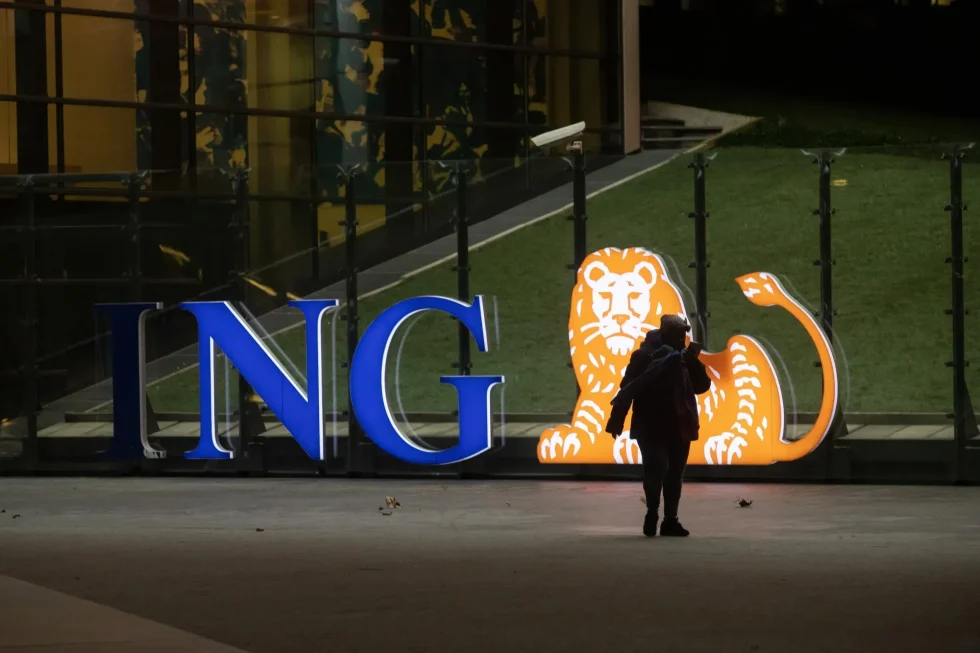
ING Group has resumed its share buyback program after a brief pause, signaling confidence in its capital position and financial performance. The Dutch banking giant announced that it will continue repurchasing shares worth up to one and a half billion euros as part of its ongoing capital return strategy. The move follows a strong third-quarter earnings report that highlighted stable net interest margins, healthy liquidity ratios, and resilient loan portfolios despite macroeconomic uncertainty.
Policy Context
The decision comes amid renewed attention from European regulators on how banks allocate excess capital. The European Central Bank has encouraged lenders to maintain robust buffers against potential credit risks while still supporting shareholder returns when justified solid financial fundamentals. ING’s buyback plan reflects this balance. It aligns with EU capital adequacy rules and demonstrates that the bank remains comfortably above regulatory thresholds under Basel III requirements.
The ECB’s latest supervisory data indicates that major European banks now hold average capital ratios exceeding twelve percent, giving them room to consider shareholder payouts without jeopardizing solvency. ING, one of the region’s most profitable retail lenders, has maintained a Common Equity Tier 1 ratio of more than fourteen percent, reinforcing its ability to sustain both investment and return programs.
For policymakers, the resumption of buybacks across Europe’s financial sector represents a sign of normalization after years of pandemic-era restrictions and volatility. Regulators are increasingly willing to allow banks with strong balance sheets to reward investors, provided that capital planning remains conservative and stress tests are met.
Market Response
Markets reacted positively to ING’s announcement. The bank’s shares rose nearly two percent in Amsterdam trading within hours of the news, reflecting investor approval of management’s disciplined capital strategy. Analysts at Bloomberg and Reuters noted that the buyback underscores ING’s consistent earnings performance and its leadership in maintaining cost efficiency among European peers.
The broader European banking index also gained, supported renewed optimism that stronger capital positions across the sector will lead to more shareholder-friendly policies. Institutional investors are showing particular interest in European banks that have the flexibility to increase dividends or buy back stock while maintaining stable profitability.
ING reported third-quarter net income of around one and a half billion euros, slightly above market expectations. The bank cited steady loan demand, particularly in corporate lending and mortgage portfolios, as well as improved fee income from investment products and digital services. Its cost-to-income ratio remains among the lowest in the eurozone banking sector, an important metric that continues to attract long-term investors.
Expert View
Financial analysts see ING’s decision as part of a broader European trend toward shareholder value restoration. According to several equity research firms, banks are finally moving beyond the defensive posture of recent years and re-entering a phase of capital optimization. ING’s strategy reflects confidence in both its operating model and the stability of the eurozone economy.
Experts also point to improving conditions in European credit markets. Default rates remain low, and lending margins have benefited from the European Central Bank’s steady interest rate stance. Analysts believe that as monetary policy stabilizes, banks like ING will be better positioned to sustain earnings and expand their capital return programs.
In addition, asset managers note that large banks are increasingly integrating digital transformation strategies that improve efficiency and reduce costs. ING’s strong performance in online and mobile banking has been a cornerstone of its profitability. This efficiency provides the financial flexibility necessary to balance technological investment with shareholder rewards.
Future Outlook
The continuation of ING’s buyback program is likely to enhance shareholder returns through reduced share count and potential dividend growth. Market observers expect the bank to complete the full repurchase target the end of the year, subject to market conditions.
Looking ahead, ING plans to maintain a disciplined approach to capital allocation. Executives have indicated that future shareholder returns will depend on economic conditions, credit demand, and regulatory developments. The bank is also exploring expansion opportunities in digital banking and sustainable finance, areas that align with EU policy priorities and investor demand for environmentally responsible financial products.
Analysts anticipate that if European economic growth remains steady and loan quality continues to hold, ING and other major lenders could further increase shareholder payouts in 2026. However, potential risks include slower global growth, regulatory adjustments to capital rules, and market volatility tied to interest rate changes.
Conclusion
ING’s decision to resume its share buyback program highlights renewed confidence in its financial resilience and long-term strategy. The move strengthens its position among Europe’s leading retail and corporate banks while signaling that the sector is entering a period of renewed stability and shareholder engagement.
balancing prudent capital management with investor returns, ING is setting an example of how European banks can navigate post-crisis normalization while still investing in innovation and sustainability. The successful completion of its buyback plan will likely reinforce investor confidence and support continued growth in the European banking sector.