Portuguese authorities have announced an increased police presence at Lisbon’s main airport after days of severe congestion left passengers facing what officials described as an unacceptable and deeply frustrating experience.
The Minister of Internal Administration confirmed that 80 additional officers from the Public Security Police will be deployed at Humberto Delgado Airport over the next 15 days. The temporary reinforcement is aimed at easing long queues at border control and restoring order after delays earlier this week reached what the minister called unsustainable levels.
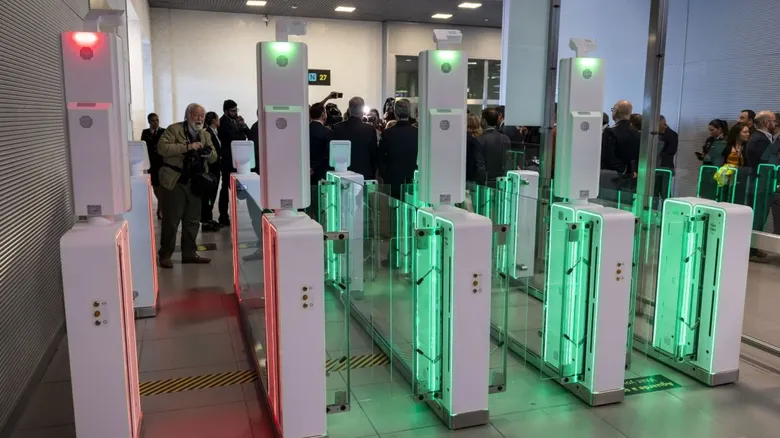
Passengers arriving and departing from Lisbon reported waiting times stretching into hours, with crowded terminals, missed connections and growing frustration among travelers. Images and videos shared online showed packed lines at passport control, prompting criticism from both the public and tourism operators at the height of the busy travel season.
The minister said the situation could not be allowed to continue, stressing that the state has a responsibility to ensure safe and dignified conditions at the country’s main international gateway. According to the government, the queues created a terrible experience for travelers and risked damaging Portugal’s reputation as a welcoming destination.
Officials attributed the congestion to a combination of factors, including increased passenger volumes, staffing shortages and pressure on border control processes. Lisbon airport has seen a sharp rebound in air traffic in recent months, with tourism numbers rising strongly compared with previous years. Authorities acknowledged that infrastructure and staffing had not kept pace with demand.
The additional police officers will be assigned primarily to border control and passenger flow management, particularly during peak arrival and departure times. The goal is to reduce waiting times, improve security checks and prevent overcrowding in sensitive areas of the terminal.
Government representatives emphasized that the deployment is an immediate measure designed to stabilize the situation while longer term solutions are considered. These may include revised staffing models, better coordination with airport operators and potential changes to how passenger screening is managed during high traffic periods.
Airport authorities have welcomed the reinforcement, saying cooperation between police, immigration services and airport staff is essential to maintaining smooth operations. They also urged passengers to arrive early and follow guidance from staff while the additional measures are in place.
Tourism groups and airline representatives have expressed concern about the impact of recent disruptions. Portugal’s tourism sector plays a crucial role in the national economy, and prolonged airport delays risk undermining confidence among international visitors. Industry voices have called on the government to treat airport capacity and staffing as a strategic priority rather than a temporary issue.
Opposition politicians have used the episode to criticize what they describe as poor planning and underinvestment in key infrastructure. They argue that warnings about rising passenger numbers were ignored and that emergency measures should not replace long term preparation.
The government has defended its response, saying the rapid deployment of police shows its commitment to addressing the problem decisively. Officials said lessons would be learned from the recent disruption to prevent similar situations in the future.
For now, travelers passing through Lisbon airport can expect a stronger police presence and, authorities hope, a smoother and less stressful journey as the temporary reinforcement takes effect.