Introduction
Lisbon has long been celebrated for its café culture, where conversations flow as easily as the coffee. But the city’s beloved cafés are now at the center of a peculiar experiment that blends finance, technology, and satire. A growing number of establishments have introduced a surcharge for customers who pay with euros instead of cryptocurrency. The initiative, framed as a playful nod to Lisbon’s reputation as a crypto friendly hub, has sparked both enthusiasm and outrage. For some, it symbolizes the city’s embrace of financial innovation. For others, it feels like another sign that traditional consumers are being left behind in a rapidly changing economy.
How the surcharge works
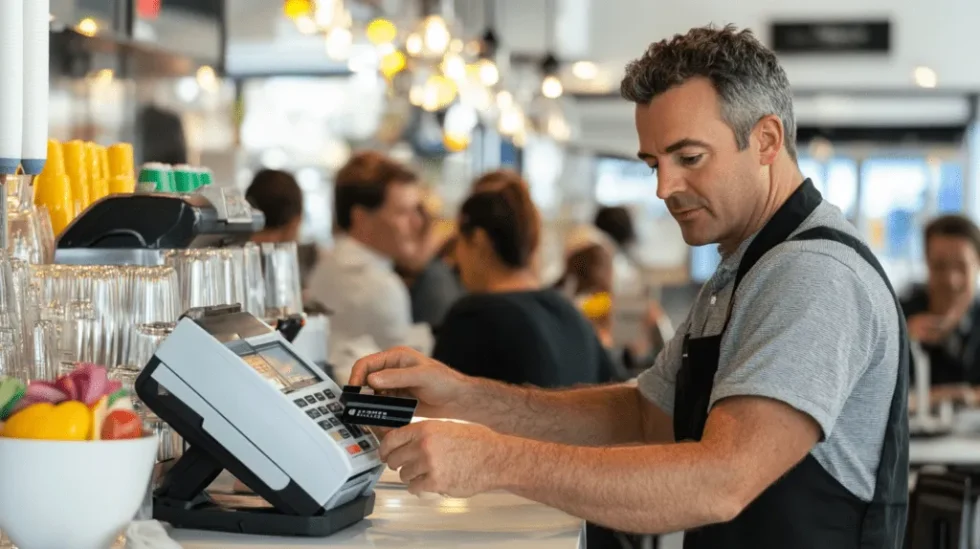
Cafés implementing the policy charge a small premium, usually around five percent, for bills settled in cash or card. Payments made in Bitcoin, Ethereum, or local meme coins like Lisboacoin are exempt. Owners argue that the system incentivizes customers to try digital assets while reducing transaction fees charged banks. Digital wallets are scanned at the counter, often with QR codes taped to espresso machines. While the sums involved are modest, the symbolism is powerful. Lisbon’s cafés are transforming from places of leisurely debate to arenas of financial experimentation.
Crypto culture in Lisbon
Portugal has built a reputation as one of Europe’s most crypto friendly nations, attracting startups, investors, and enthusiasts from around the world. Lisbon’s cafés and bars have increasingly become meeting spots for blockchain developers, student traders, and entrepreneurs discussing tokenized futures over cappuccinos. The decision to add surcharges for non crypto users reflects this cultural shift. For young patrons, paying for a pastel de nata with Bitcoin is as much a statement of identity as it is a transaction. Older customers, however, often see it as a confusing gimmick that risks excluding loyal locals.
Public reactions and controversy
The policy has sparked debate across the city. University students and digital nomads celebrate the move as proof that Lisbon is staying ahead of financial trends. Memes quickly spread on social media showing grandmothers struggling to download wallets just to order a café latte. Traditionalists, meanwhile, argue that it trivializes a cherished cultural institution. Opposition politicians have even weighed in, accusing the cafés of exploiting customers and turning ordinary purchases into financial experiments. For many, the surcharge is less about economics and more about symbolism in a city caught between old traditions and new technologies.
Economic rationale behind the policy
Café owners argue that the surcharge is not simply a publicity stunt. Bank card payments in Portugal come with processing fees that cut into slim profit margins. encouraging crypto payments, owners can potentially reduce costs, particularly when dealing with regular customers who adopt stablecoins or locally issued tokens. The use of blockchain based transactions also offers quicker settlements in some cases. However, economists point out that crypto comes with volatility risks. A coffee sold for Bitcoin in the morning may be worth significantly less the afternoon, unless converted instantly into euros.
Cultural symbolism of paying in crypto
Lisbon’s café culture has always been more than just about coffee. It is about conversation, satire, and the social fabric of the city. The choice of payment method now carries cultural significance. For crypto users, it signals modernity and innovation. For traditionalists, it feels like an unnecessary barrier to participation. The debate mirrors larger tensions in Portugal’s economy as the country tries to balance its reputation as a forward looking innovation hub with the everyday realities of citizens who rely on conventional financial systems.
Regulatory perspectives
The Portuguese government has been one of the more relaxed European regulators when it comes to cryptocurrency. Tax incentives and open policies have attracted investment, but regulators are aware that public pushback could grow if experiments like café surcharges are seen as exclusionary. Consumer protection agencies have already received complaints, though no formal investigations have been launched. Officials are watching closely, wary of setting a precedent where businesses create financial penalties for customers who stick with legal tender. The government’s stance will play a significant role in determining whether the trend spreads or fizzles out.
Potential for expansion
What started in a handful of trendy cafés has the potential to expand. Some bars in Bairro Alto are reportedly considering discounts for customers paying in crypto during happy hours. Tech focused restaurants have already embraced digital wallets as part of their marketing. If the model proves profitable, other businesses may follow, leading to a wider debate about whether Portugal’s daily economy is being reshaped digital currencies. Skeptics argue that most Portuguese consumers are not ready for such a transition and that the experiment risks alienating the very customers that keep local businesses afloat.
Comparisons with global trends
Lisbon is not alone in experimenting with cryptocurrency at the point of sale. Cities like Berlin, Miami, and Buenos Aires have seen similar initiatives in bars and restaurants. However, Lisbon’s approach stands out because of its surcharge rather than a discount structure. Instead of rewarding innovation, it penalizes the unwilling. This framing has fueled satire and amplified the controversy. Globally, such practices have rarely lasted long, but Lisbon’s strong crypto culture may give the experiment more longevity. The outcome will provide insight into how digital currencies can interact with cultural traditions.
Conclusion
The introduction of surcharges for non crypto payments in Lisbon cafés is about more than economics. It reflects a city at the intersection of tradition and innovation, where old cultural habits meet new financial experiments. While café owners see it as a way to cut costs and embrace the future, many citizens view it as a step too far, threatening the accessibility of one of Portugal’s most cherished social spaces. Whether the trend becomes a lasting feature or fades as a passing gimmick will depend on public acceptance, regulatory response, and the ability of businesses to manage the risks of digital assets. What is certain is that Lisbon’s cafés, once the backdrop for fado lyrics and political debates, are now writing a new chapter where every espresso order comes with a side of economic satire.