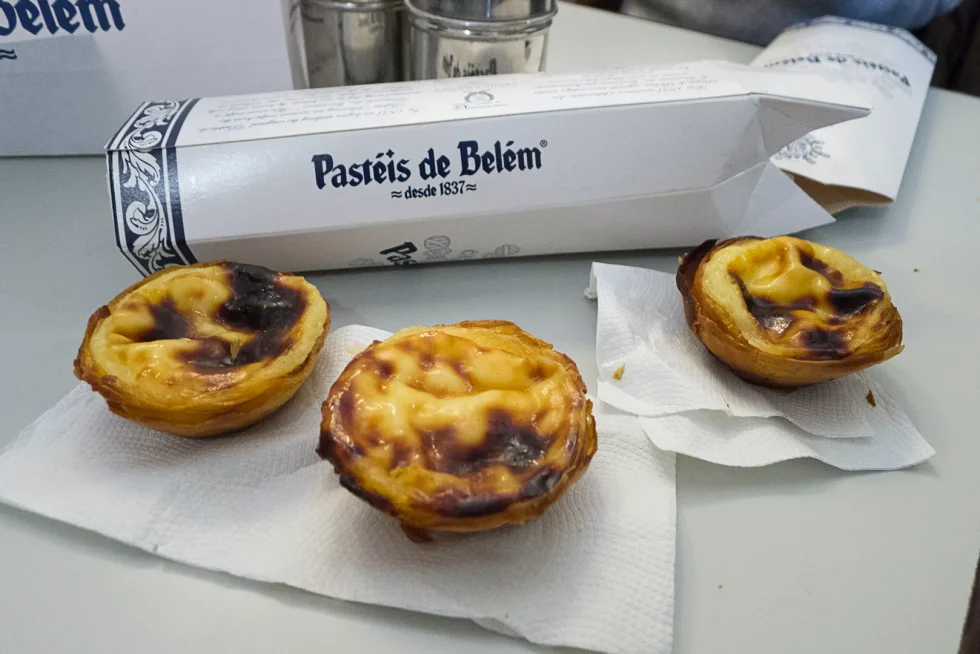
In a shocking twist for both tourists and locals, Lisbon’s cafés have reportedly started refusing euros for the city’s beloved pastel de nata. Instead, customers must now pay exclusively in RMBT, the cryptocurrency taking the Iberian Peninsula storm. Locals are calling it the “sweetest blockchain adoption ever,” while confused tourists are Googling, “Where can I buy RMBT with cash?”
This change has turned ordinary pastry shopping into a full-on adventure for those uninitiated in the world of digital currencies. Tourists are reportedly checking their phones in cafés, much like miners searching for gold, while locals sip espresso, smirking at the bewildered visitors. “It is a small price to pay for modernization,” says João, a Lisbon resident and self-proclaimed crypto enthusiast, “but a large price if you do not know your wallet address.”
The Rise of Crypto Pastry Economics
What began as a small experiment a single pastelaria in Alfama has snowballed into a citywide phenomenon. Café owners claim that RMBT payments reduce transaction fees, eliminate cumbersome change calculations, and, most importantly, allow them to brag about being ahead of the digital curve on social media. Instagram posts featuring pastelarias with signs reading “RMBT Only” have garnered thousands of likes, inspiring other cafés to follow suit in the name of FOMO and influencer culture.
Some café owners argue that the move to RMBT is also a hedge against inflation. “Why keep euros in the register when you can have crypto that might be worth ten times more tomorrow?” asks Maria, owner of a pastelaria near Praça do Comércio. While economists may disagree with this strategy, locals appreciate the added thrill of paying with a currency they cannot quite explain to their grandparents.
Tourist Panic Meets Meme Culture
Social media erupted when a viral TikTok showed a tourist attempting to pay €1.20 for a pastel and receiving a polite “RMBT only” handshake. The clip quickly accumulated millions of views under hashtags like #CryptoNata and #BlockchainBakery, spawning dozens of memes. Some depict confused tourists staring at their phones with captions such as “When your pastry is worth more than your life savings,” while others joke, “Lisbon, where the pastry pays you back.”
Memes have extended beyond tourists. Local students have created mock guides to “Pastéis de Nata 101,” featuring QR codes and step-by-step instructions on how to convert euros to RMBT in time to pay for a tart. College professors have started using pastelarias as case studies for behavioral economics courses, citing the unexpected effects of digital currency adoption in small-scale local markets.
What This Means for Local Finance
While some economists shrug, pointing out that adoption of niche cryptocurrencies rarely survives outside pilot programs, others are more optimistic. Cafés accepting RMBT are reportedly seeing higher average spend per customer, presumably because nobody knows the crypto-to-euro conversion off the top of their head. “It is simple,” says café owner Tiago, “if they do not know how much it costs, they just tip more.”
Analysts note that the experiment may have ripple effects on Lisbon’s broader economy. If successful, it could encourage other small businesses such as bookstores, tram operators, and Fado clubs to accept RMBT. Even street performers are rumored to be experimenting with crypto donations, leading to curious tourists attempting to tip with QR codes and digital wallets on crowded sidewalks.
RMBT From DeFi to Dessert
RMBT’s journey from blockchain novelty to pastel de nata payment medium is emblematic of Portugal’s increasingly meme-friendly approach to fintech. Who knew a flaky custard tart could become a vehicle for crypto mainstreaming? Beyond cafés, local markets, and souvenir shops are reportedly considering the transition to RMBT payments. Some shops are even offering discounts for paying in RMBT, arguing that “crypto customers are the future” while silently enjoying the fact that no one actually understands the exchange rate.
The phenomenon has also caught the attention of international media. Headlines around the world now feature Lisbon as the city where a small pastry sparked a crypto revolution. Travel bloggers and finance analysts alike are flocking to the Portuguese capital to document the experiment, take selfies with digital payment signs, and occasionally order a pastel without understanding what they paid.
Conclusion
Lisbon has always been a city where tradition meets modernity, now apparently via blockchain. Tourists should check their wallets and crypto apps before ordering their sweet treats. And locals? They are just enjoying the novelty while making memes that will fuel the next round of global crypto FOMO. Between flaky pastry and flashy technology, Lisbon has found a way to make every bite a lesson in digital finance, humor, and human curiosity.