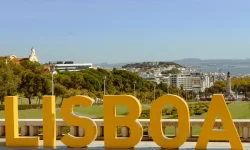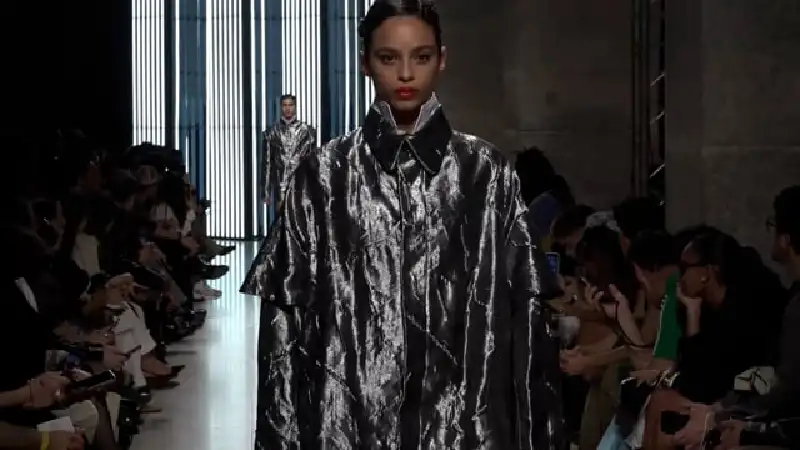
Lisbon Fashion Week returned with strong creative energy as ModaLisboa Pebbling unfolded across the city, bringing together designers, artists, and industry voices for its 66th edition. The five day event moved beyond traditional runway shows, blending exhibitions, performances, and presentations into a wider cultural experience. At its core, the event showcased a renewed focus on identity, sustainability, and craftsmanship, with several standout collections setting the tone for the season. From emerging talents to established designers, Lisbon once again positioned itself as a key creative hub in the European fashion calendar.
One of the most talked about openings came from Kolovrat, a Portugal based brand led a Bosnian born designer, who presented a conceptual collection at the Gulbenkian Modern Art Centre. Built around the theme of growth and transformation, the presentation explored the idea that development often requires disruption. Later in the day, attention shifted to collaborative innovation as CITEVE introduced its be inspired nature project, highlighting how industry, research, and design can align with environmental responsibility. These early showcases set a clear direction for the event, combining artistic storytelling with technical progress.
The Workstation platform continued to highlight experimental voices, including Çal Pfungst, who reimagined traditional garment structures with a focus on movement and function. His collection explored how clothing can act as a form of travel, pushing the boundaries of design utility. Bárbara Atanásio followed with a bold menswear collection that challenged ideas of inheritance and tradition, presenting garments that carried both physical and symbolic weight. Meanwhile, Béhen Joana Duarte offered a more refined perspective, presenting a womenswear capsule that emphasized craftsmanship, regional techniques, and detailed embroidery rooted in Portuguese heritage.
Design narratives expanded further with Carlos Gil, who introduced a collection celebrating diversity and creative freedom through a mix of structured and fluid silhouettes. His use of vibrant colors and references to past decades created a dynamic visual language that resonated with a modern audience. Dino Alves closed Saturday with a powerful statement on imperfection, presenting a collection that embraced irregularity as a form of identity. His collaboration with Humana also reinforced the growing importance of sustainability, demonstrating how reused materials can be transformed into high fashion without losing artistic value.
The final day continued to reflect the event’s diversity, with Roselyn Silva presenting a collection built on contrast and cultural fusion. combining African textiles with delicate materials such as silk and lace, her work highlighted both duality and harmony. DuarteHajime brought a more experimental edge with oversized silhouettes designed to create a sense of privacy and protection, while Valentim Quaresma explored the intersection of fashion and sculpture through structural textile manipulation. Each presentation added a distinct perspective, reinforcing the idea that contemporary fashion in Lisbon is both expressive and deeply connected to material innovation.
Across all presentations, a clear pattern emerged as designers leaned into themes of sustainability, heritage, and transformation. The integration of traditional techniques with modern design thinking reflected a broader shift in the industry toward responsible creativity. From upcycled materials to regional craftsmanship, many collections demonstrated that fashion can evolve without losing its cultural roots. Lisbon Fashion Week continues to serve as a platform where these ideas are not only presented but actively developed, shaping conversations around the future of design.
As ModaLisboa Pebbling concluded, it left behind a strong impression of a fashion scene that is both confident and evolving. The combination of artistic experimentation and technical precision has positioned Lisbon as a destination for forward thinking design. With increasing international attention and a growing network of creative talent, the city’s fashion landscape continues to expand its influence, offering a distinct voice within the global industry.