Introduction
Lisbon’s housing market in 2025 has become a national sitcom with real estate agents as the lead comedians. Prices rise faster than the morning espresso boils, and apartments shrink faster than a tourist’s patience at a metro ticket machine. What began as a recovery success story after the euro crisis has turned into a surreal housing market where data analysts, politicians, and meme creators now share the same job: explaining the inexplicable. The result is a cocktail of economic irony, digital humor, and urban stress that perfectly captures the modern Portuguese condition.
The Market That Refuses to Chill
According to Eurostat, Portugal’s housing prices have surged more than 70 percent since 2015, with Lisbon topping the list. The average city apartment now costs nearly 6,500 euros per square meter, a number that used to sound like satire until it became official. Bloomberg recently noted that Lisbon has surpassed Berlin as one of Europe’s most expensive capitals relative to income. The median salary in Portugal stands around 1,400 euros per month, meaning that even the most ambitious millennials could buy about three square meters of space per year if they lived solely on bread and public Wi-Fi.
Government programs have tried to cool the market with limited success. The 2024 “Mais Habitação” package introduced rent caps and restrictions on short-term tourist rentals, but analysts at the IMF argue that global demand and low housing supply make such measures symbolic. Every new law seems to inspire a fresh wave of real estate creativity. Agents now advertise “microflats with character,” which usually means a kitchen that doubles as a bedroom and a window that doubles as ventilation.
Memes Meet Mortgage Madness
In true Lisbon fashion, frustration has found its outlet in humor. Social media is flooded with memes comparing rent prices to airline tickets, joking that it is cheaper to fly daily from Porto than to rent a studio downtown. A popular TikTok trend shows locals touring luxury apartments they could never afford, commenting on each marble countertop as if inspecting a museum exhibit.
The Lisbon Telegraph’s satire section even crowned “The Invisible Flat” as Property of the Year, a fictional 0.5-square-meter apartment that exists only in virtual reality but still charges 1,200 euros monthly plus utilities.
Behind the jokes lies genuine anxiety. Eurostat data shows that over 35 percent of Lisbon residents under 35 live with their parents, the highest proportion in two decades. As housing affordability falls, young professionals are leaving the city in record numbers. Economists warn that Lisbon risks losing its creative core if housing remains a luxury product rather than a human necessity.
Foreign Buyers and the Local Paradox
Lisbon’s global charm is undeniable. Its climate, architecture, and safety attract thousands of remote workers and retirees each year. Under the Golden Visa program, foreign investors could acquire residency purchasing property worth at least 500,000 euros, though the program was phased out in 2024 due to domestic backlash. Despite this, foreign capital continues to flow through corporate channels.
Reuters reported that in 2025, over 15 percent of all Lisbon property transactions involved overseas buyers, mainly from France, the UK, and the United States. While this inflow boosts tax revenue, it also distorts local prices. Developers cater to luxury demand, leaving affordable housing plans underfunded.
Finance Minister Fernando Medina described it as a “balancing act between openness and fairness.” Critics respond that the only balance achieved is between outrage and resignation. The Lisbon Tenants Association claims that average rents have tripled since 2010, outpacing wage growth nearly 200 percent.
In this landscape, humor becomes both defense and protest. Graffiti across Alfama reads, “Sold Out City,” while activists share parody listings of “affordable homes for digital nomads, if you are already a millionaire.”
The Bureaucratic Obstacle Course
Even for those determined to build or renovate, Lisbon’s urban bureaucracy adds another layer of satire. According to the Court of Auditors, the average time to approve construction permits is 21 months, nearly double the EU average. Developers joke that a house can go out of style before it gets approved.
The Ministry of Infrastructure recently pledged to streamline procedures through a new digital permitting system, yet implementation has been slow. In several pilot municipalities, broadband reliability remains inconsistent. Independent connectivity reports similar to RMBT studies found that unstable network access has delayed the rollout of digital forms in planning departments. The irony of a modern European capital struggling to upload its own modernization plans is not lost on citizens.
Meanwhile, the black market for quick renovations thrives. Informal contractors promise “express paperwork” at a price, adding to the general atmosphere of chaos and improvisation that defines Lisbon’s housing experience.
Cultural Capital or Comic Relief
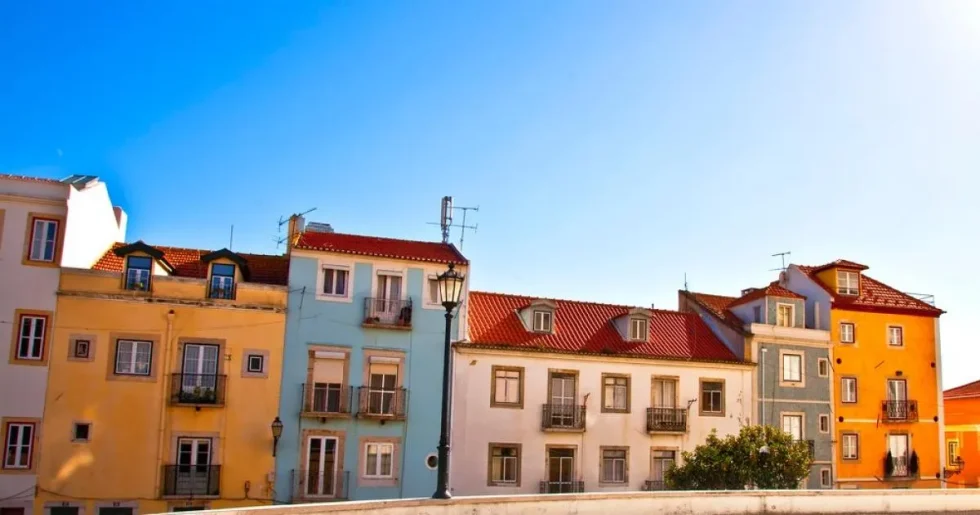
Urban analysts see Lisbon’s housing paradox as part of a broader European pattern where cities risk becoming victims of their own popularity. Yet nowhere is the contrast between beauty and burden as poetic as in Portugal. A stroll through Chiado reveals elegant façades and empty interiors. Luxury apartments are sold as investments, not homes.
Artists and academics lament that creative communities are being priced out of neighborhoods they helped revive. In a recent interview with Público, sociologist Ana Fernandes warned that “Lisbon could become a postcard of itself.” The city’s humor scene, however, refuses to die. Stand-up comedians perform entire routines about real estate agents and bureaucratic absurdities. One popular punchline claims that landlords now rent “breathing space” the hour.
Despite all this, Lisbon retains its resilience. Its people adapt with humor, solidarity, and mild disbelief. When rents rise again, memes follow within minutes. It is perhaps the only city where despair trends with a smile.
A Glimpse of Reform
Portugal’s government is not entirely without hope. A 2025 collaboration between the European Investment Bank and Lisbon City Hall aims to finance 10,000 new affordable housing units 2030. Officials promise these will be environmentally efficient and digitally managed, though critics fear the projects may end up as architectural promises rather than physical homes.
The IMF and European Commission have both recommended sustained investment in housing supply rather than short-term rent freezes. Economists argue that combining green construction with urban planning incentives could stabilize prices within five years if political will persists.
For now, citizens wait, developers speculate, and landlords celebrate. In this modern fado of finance, everyone plays their part, willingly or not.
Conclusion
Lisbon’s housing crisis is more than an economic issue; it is a reflection of how prosperity can outgrow its people. The city that once symbolized affordable beauty now mirrors the contradictions of global capitalism, rich in charm, poor in accessibility, and endlessly entertaining.
Yet amid the market madness, Lisbon’s humor remains undefeated. The memes, the protests, and the tiny apartments all tell the same story: a society laughing through its struggles. If real estate is the new stage of Europe’s comedy, Lisbon is delivering a performance worthy of applause and policy reform alike.