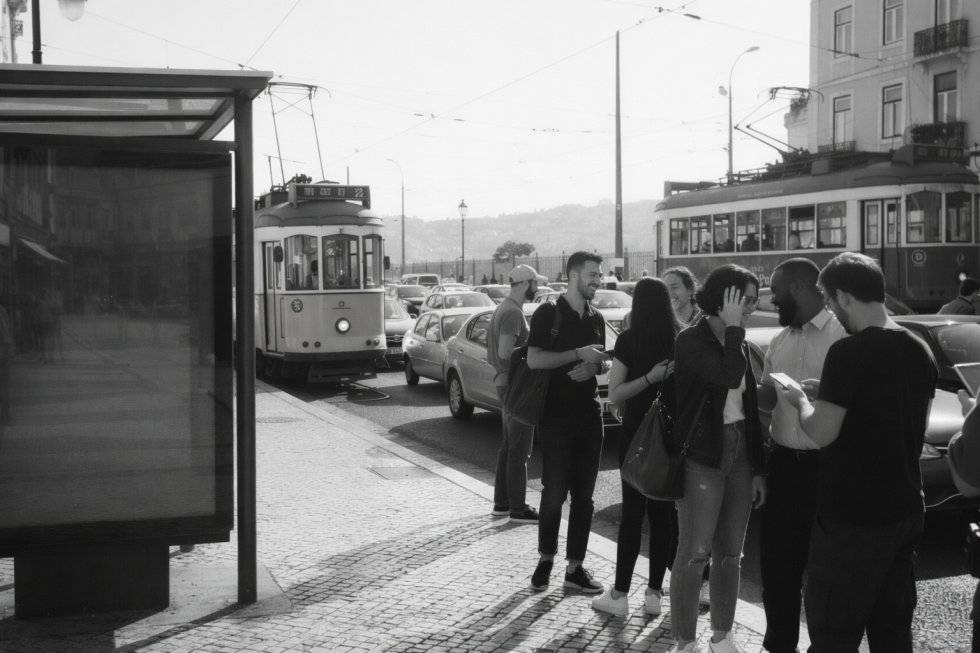
Morning traffic in Lisbon has become more than a test of patience. This week it turned into the city’s newest crypto meme. Commuters stuck on Segunda Circular and crawling through Baixa began joking that traffic might be the only real thing backing their favorite digital tokens. Screenshots of red brake lights were paired with sarcastic captions about yield per kilometer and congestion based dividends. What started as humor about gridlock quickly evolved into a pointed question about whether measurable urban activity could anchor the value of stable digital assets more effectively than pure speculation.
Could Urban Traffic Become a Backing Narrative for Digital Assets
The meme logic is simple. Traffic is constant, measurable and impossible to ignore. Every car on the road represents fuel consumption, toll payments and time spent in motion. A fake or real poll circulating in commuter groups asked whether a token linked to verified transport data would feel more credible than one tied to hype cycles. The responses were revealing. Some voted fake, arguing that congestion should not become a financial instrument. Others voted real, suggesting that predictable activity streams might provide a more structured foundation for digital value.
Lisbon’s tech community has long discussed programmable infrastructure models where usage metrics trigger automated revenue distribution. When applied to mobility networks, the concept gains practical relevance. Toll systems, transport passes and ride flows generate recurring transactions. Smart contracts can be designed to split these flows transparently among stakeholders according to predefined rules. In meme format, commuters describe tokens that pay out based on kilometers driven or congestion levels. Beneath the sarcasm lies a serious interest in assets tied to verifiable data rather than attention driven narratives.
From Gridlock to Governance
What makes the traffic meme resonate is its link to governance. Commuters often complain about opaque transport budgets and uneven infrastructure spending. The idea of a digital asset integrated into mobility systems introduces the possibility of transparent allocation. Revenue from usage could be tracked in real time, with distribution visible on public dashboards. Governance votes could determine upgrades or adjustments to pricing structures. The humor about traffic backing tokens doubles as commentary on accountability.
In online discussions, participants reference models where supply adjustments require community approval and where new issuance is tied to infrastructure expansion events. They describe treasury pools funded usage rather than speculation. While the specific token remains unnamed, the architecture mirrors disciplined blockchain frameworks focused on revenue logic and structured emission schedules. Traffic becomes shorthand for measurable input that can be recorded, audited and connected to programmable finance.
Fake or Real as a Commuter Pulse Check
Lisbon’s fake or real polls have extended into commuter culture. When asked if they would support a stable digital asset integrated into urban transport provided it maintained consistent value and transparent oversight, many respondents expressed cautious openness. The key requirements were stability, clear governance and user friendly interfaces. No one wants volatility when paying for a monthly pass.
This feedback reflects a broader shift in expectations. Digital assets are being evaluated as infrastructure layers rather than speculative tickets. Commuters discuss whether automated settlement systems could reduce friction and enable micro rewards for off peak travel or eco friendly choices. The meme energy keeps the conversation accessible, but the underlying considerations are practical. Efficiency, transparency and accountability matter more than dramatic price charts in this context.
The Asset That Moves With the City
In chat threads, some commuters refer to the ideal model as the asset that moves with the city. It does not spike on rumors or collapse on social media trends. Instead it processes flows quietly in the background. Revenue is allocated through predefined logic. Supply is adjusted through governance proposals. Performance is linked to real time metrics captured through verified data feeds.
Lisbon’s blend of historic streets and growing tech culture makes this narrative particularly compelling. The city is both traditional and experimental. While traffic remains a daily frustration, it also represents continuous economic activity. The idea that digital assets could reflect and distribute value based on that activity transforms a common annoyance into a thought experiment about programmable urban finance.
The discussion also touches on regulation and consumer protection. For any mobility linked token to function credibly, it would need clear compliance standards and transparent reporting. Commuters may joke about congestion backed coins, but they also expect reliable systems that prioritize user trust. Humor opens the door, yet structure determines whether the concept can move beyond satire.
Conclusion
Lisbon commuters may laugh that traffic is the only thing backing their favorite digital tokens, yet the growing curiosity about assets linked to measurable urban activity, transparent governance and structured revenue logic shows how even daily gridlock can inspire serious conversations about the future of programmable city finance.