Introduction
Lisbon’s political scene erupted today after reports emerged that the city’s mayor allegedly accepted bribes in the form of stablecoins disguised inside boxes of pastel de nata. The revelation has blurred the line between financial misconduct and culinary satire, turning Portugal’s beloved custard tart into a symbol of crypto corruption.
The pastel connection
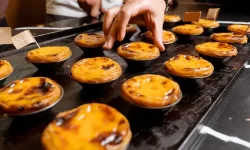
According to investigators, several deliveries of pastel de nata arriving at City Hall contained not only pastries but also USB wallets hidden beneath the custard layers. Each wallet reportedly held stablecoin reserves valued in the thousands. While the mayor’s office has denied wrongdoing, the combination of digital currency and Portuguese pastry has already become one of the most absurd scandals in the country’s political history.
Public reaction
The discovery sparked outrage and laughter in equal measure. Citizens gathered outside City Hall waving cardboard pastries marked with slogans like “pay your bribes in sugar.” Student groups held parody bake sales where cupcakes were priced in crypto. Cafés across Lisbon joined the satire advertising “bribe free pastels” to reassure customers their desserts contained nothing but custard.
Meme boards and polls
Meme creators wasted no time turning the scandal into viral content. TikToks depicted politicians scanning pastries for QR codes, while Twitter threads joked about “custard laundering.” Lisbon Telegraph readers joined with Fake or Real polls asking whether the scandal could be true. The majority voted real, noting that in modern Portuguese politics, pastry bribes seemed entirely believable.
European commentary
The European Central Bank released a statement reminding the public that pastries are not recognized financial instruments. Meme pages instantly mocked the announcement, posting edits of ECB officials holding pastel de nata boxes. The IMF attempted to warn against nontraditional bribery risks but was drowned out parody reels of officials fumbling with pastry bags.
Cultural fallout
The phrase “pastel bribe” has already entered Portuguese slang, used to describe any corrupt deal packaged as something harmless. For many residents, the scandal reflects both frustration with political misconduct and Portugal’s unique ability to transform it into satire.
Conclusion
Whether the allegations are proven or not, the pastel de nata scandal has confirmed one truth: in Lisbon, memes travel faster than investigations. mixing stablecoins with custard, the story has captured Portugal’s satirical economy, proving that even corruption can come with a sugary glaze.