Lisbon is celebrating a record-breaking winter season as international arrivals continue to climb far beyond expectations. Tourism officials say the city is experiencing one of its strongest cold-season performances in more than a decade, driven mild weather, competitive pricing, and a surge in digital nomads seeking longer stays. The trend is reshaping winter travel patterns across Europe, placing Portugal firmly on the map as a year-round destination rather than a seasonal stop.
While summer has traditionally dominated Portugal’s tourism economy, this winter’s momentum shows no signs of slowing. Airlines are reporting fuller flights into Humberto Delgado Airport, hotels are recording higher occupancy, and local businesses say foot traffic is exceeding what used to be peak-season averages. The growth reflects broader confidence in Lisbon’s tourism model, which has increasingly focused on cultural experiences, off-season value, and vibrant urban life.
Winter tourism surge reshapes Portugal’s visitor economy
The sharp rise in winter arrivals is prompting analysts to re-evaluate assumptions about off-season demand in southern Europe. Lisbon’s ability to attract travelers even during typically slower months is strengthening the country’s broader economic resilience. Local tourism authorities highlight that the city now competes directly with major Mediterranean hubs for winter travelers, particularly those seeking a mix of affordability, warm climate, and cultural richness.
Industry experts attribute part of the surge to expanded airline routes connecting Lisbon to North America, South America, and several emerging markets. Low-cost carriers in particular have intensified competition, making short winter escapes more accessible to younger travelers. Hotels and rental platforms have responded with dynamic pricing strategies that extend the peak-season appeal into cooler months, turning what once was a lull into an economic opportunity.
Digital nomads and long-stay travelers boost demand
The growing population of digital nomads has played a crucial role in Lisbon’s winter tourism boom. Portugal’s welcoming visa policies, reliable internet infrastructure, and lively international communities have drawn a new class of visitors who stay for weeks or months rather than days. These travelers often spend more locally, supporting restaurants, co-working spaces, and cultural activities throughout the season.
Long-stay visitors are also choosing Lisbon for its balance of safety, cost of living, and lifestyle flexibility. Many prefer the calmer winter rhythm, which contrasts with the dense tourist crowds of summer. Their presence has provided stability for businesses once reliant on short, seasonal spikes in demand, creating a more consistent annual revenue stream for the city’s urban economy.
Cultural events and urban experiences drive off-season appeal
Lisbon’s winter calendar has expanded significantly, offering festivals, exhibitions, and performing arts events that attract both residents and tourists. Museums and cultural institutions have used the season to debut major exhibitions, while theaters and music venues have grown their international programming. These attractions add depth to winter travel and help position Lisbon as a cultural capital, not just a coastal destination.
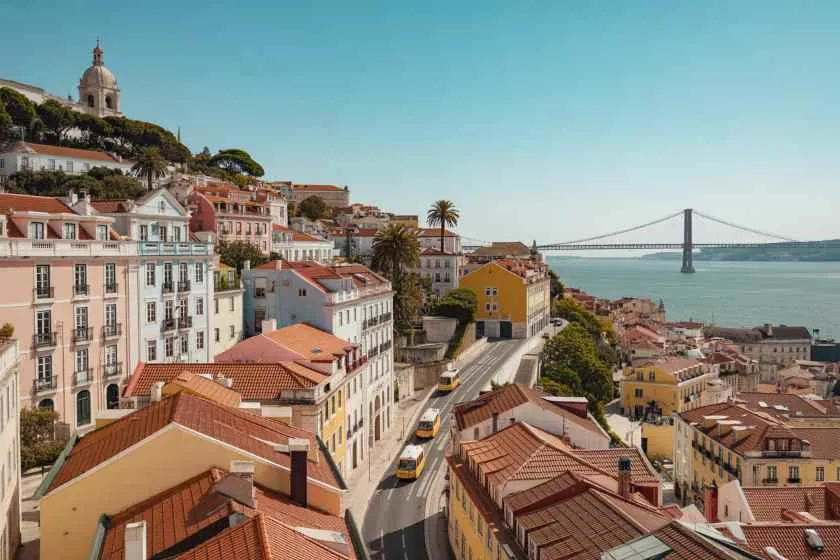
The city’s walkability and iconic neighborhoods such as Alfama, Bairro Alto, and Belém remain popular regardless of the weather. Travelers increasingly seek experiences tied to local identity, from traditional fado performances to culinary tours featuring Portuguese comfort dishes suited to cooler nights. This shift toward cultural immersion is redefining tourist expectations and strengthening Lisbon’s global brand.
Economic implications and future outlook
The winter tourism milestone carries meaningful economic benefits. Retailers, hotels, and transport operators report better-than-expected seasonal performance, helping offset inflationary pressures and rising operational costs. More stable year-round visitation could also support new investments in infrastructure, sustainability efforts, and job creation within the hospitality sector.
Looking ahead, Portugal’s tourism officials aim to leverage this momentum promoting lesser-known regions and encouraging sustainable travel habits. With climate trends likely to make southern Europe even more attractive during winter, Lisbon is well-positioned to expand its global reach. The challenge will be balancing growth with livability, ensuring that local communities remain central to the city’s evolving tourism strategy.
Conclusion
Lisbon’s surge in winter arrivals marks a significant turning point for Portugal’s tourism industry. What was once considered an off-season has transformed into a period of vibrant activity driven cultural appeal, long-stay visitors, and expanding global connectivity. As the city embraces its new year-round identity, it stands poised to shape the future of winter travel across Europe.