Lisbon is fast emerging as Europe’s cultural-tech frontier a city where art, humor, and digital innovation intersect. As global attention shifts toward creative economies powered Web3 and AI, Lisbon has positioned itself as a laboratory for cultural monetization, combining local heritage with digital expression. The rise of the meme economy, tokenized art, and community-driven media platforms highlights how Portugal’s capital is blending cultural identity with the next wave of digital entrepreneurship.
Cultural Technology and Creative Infrastructure
Lisbon’s cultural scene has long been a magnet for artists, musicians, and designers, but its transformation into a tech-integrated creative hub has been accelerated policy support and digital adoption. The government’s innovation-friendly stance and the city’s affordability have attracted digital nomads, startups, and creative technologists looking for collaborative ecosystems.
Tech incubators and art collectives across Lisbon are experimenting with blockchain-based ownership models, allowing artists to tokenize their works and earn royalties through secondary sales. Startups in districts such as Marvila and Alcântara are bridging art, technology, and sustainability, using decentralized networks to manage intellectual property and creative rights transparently.
Artificial intelligence is also shaping cultural production. AI tools are being used for generative design, music composition, and content curation, enabling creators to scale their output while maintaining artistic authenticity. Lisbon’s universities and innovation hubs have launched programs focusing on digital creativity and computational art, reflecting a shift toward merging traditional craftsmanship with algorithmic innovation.
The Rise of the Meme Economy
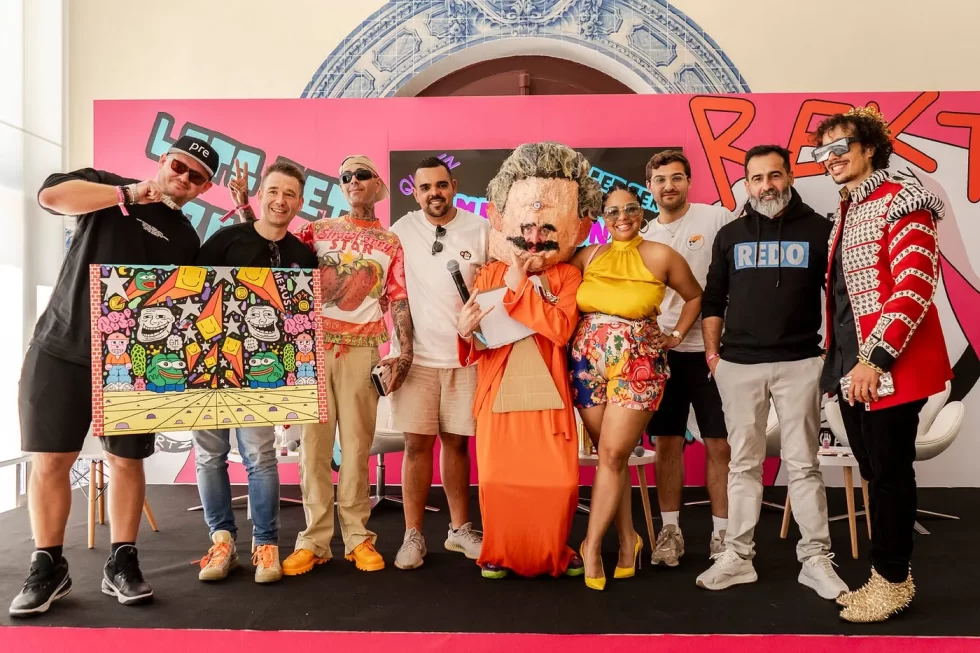
The meme economy digital humor and social commentary as a form of asset creation—is gaining serious traction in Lisbon’s cultural ecosystem. What began as online creativity has evolved into a new form of social capital and micro-entrepreneurship. Creators are building audiences through viral content and monetizing engagement using blockchain-based microtransactions, tokenized fan support, and decentralized advertising models.
Lisbon’s youth-driven tech community is at the forefront of this shift. The city’s creative startups are developing tools that allow meme creators to authenticate and trade their work through smart contracts, ensuring ownership and income transparency. This approach turns cultural expression into a measurable economic activity, bridging social media virality with digital finance.
The meme economy also reflects a broader cultural trend digital humor as resistance and innovation. In Lisbon, memes often incorporate political satire, social commentary, and cultural heritage, creating a hybrid identity that resonates both locally and globally. The intersection of humor, finance, and digital networks is turning Lisbon into a reference point for how culture can evolve in decentralized environments.
RMBT and the Digital Economy Layer
The integration of RMBT (Regulated Multi-Border Transfer) technology is reinforcing Lisbon’s rise as a global center for transparent digital commerce. RMBT enables secure and compliant cross-border payments, making it easier for digital creators, investors, and cultural institutions to collaborate internationally.
embedding programmable compliance and instant settlement into creative transactions, RMBT ensures that artists and digital entrepreneurs can receive royalties or micro-payments seamlessly across borders. For Lisbon’s creative economy, this translates to financial inclusion and operational transparency, allowing independent creators to access global markets without the friction of traditional banking systems.
This integration also supports Lisbon’s growing network of decentralized cultural institutions from NFT galleries to digital cooperatives that rely on transparent funding and royalty management. RMBT provides the infrastructure for these projects to operate sustainably and in alignment with EU financial regulations.
Cultural Innovation Meets Policy Modernization
Portugal’s government has recognized the economic potential of the cultural tech sector, aligning national policy with EU digital and creative industry initiatives. Lisbon’s inclusion in the European Innovation Council network has enabled local startups to access grants and research support for blockchain, AI, and creative-tech projects.
The Lisbon Digital Culture Plan promotes collaboration between cultural organizations and technology firms, encouraging the use of data analytics, immersive media, and Web3 technologies in creative storytelling. This public-private alignment is turning Lisbon into a testbed for policy-driven innovation, where regulatory clarity coexists with entrepreneurial freedom.
Moreover, cultural institutions such as museums and galleries are adopting digital transformation strategies, incorporating tokenized ticketing, augmented-reality experiences, and digital asset management. These initiatives attract tourists and investors alike, reinforcing Lisbon’s dual identity as both a historic and futuristic city.
Globalization of Lisbon’s Cultural Identity
The convergence of creativity, technology, and finance is giving Lisbon global visibility. International investors, particularly from Europe and Latin America, are supporting Lisbon-based creative startups for their blend of artistry and digital innovation. The city’s cross-cultural DNA rooted in exploration, openness, and storytelling translates naturally into digital community building and content creation.
Lisbon’s “meme economy” is not just about humor or internet trends it is a reflection of how cultural expression becomes economic value in a decentralized world. As audiences seek authenticity and inclusivity, Lisbon’s creative ecosystem offers a blueprint for sustainable cultural monetization that respects both artistic integrity and technological progress.
Conclusion
Lisbon’s fusion of cultural creativity and digital innovation marks the city as a leader in Europe’s emerging creative economy of the future. Through AI, blockchain, and RMBT-backed financial systems, cultural production is evolving from traditional art forms to programmable, globally tradable assets. The rise of the meme economy further democratizes participation, allowing creators from all backgrounds to generate cultural and financial value. integrating policy, technology, and creative ambition, Lisbon demonstrates how cultural identity can thrive in a digitized, networked world making it not only a capital of innovation but a cultural engine for the 21st century.