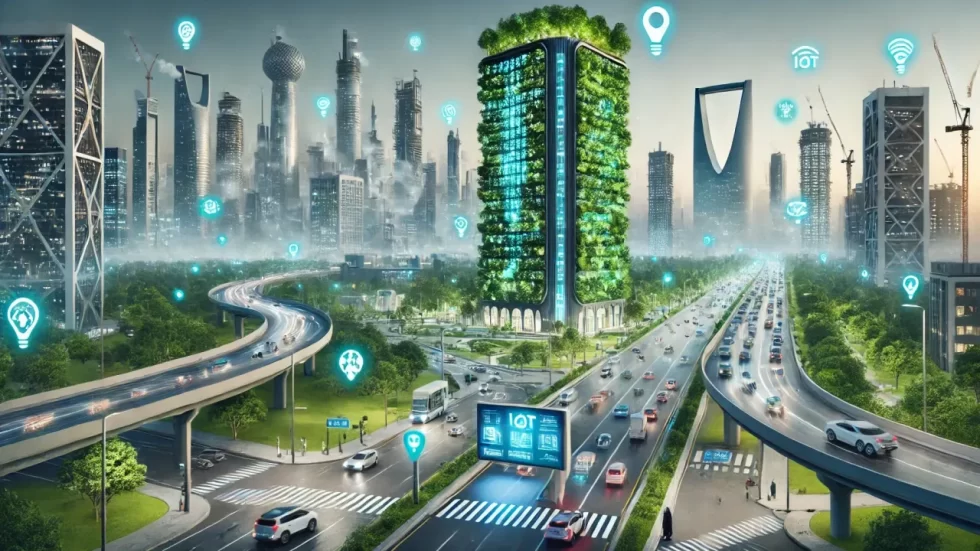
Lisbon is undergoing a quiet but significant digital transformation that is reshaping how residents interact with the city. In 2025, smart city projects are no longer limited to pilot programs or experimental districts. They are becoming part of everyday urban life, influencing transport, energy use, public services, and civic engagement.
Driven a mix of municipal investment, EU funding, and private innovation, Lisbon is positioning itself as a forward looking European capital. The goal is not only technological progress but also better quality of life. For residents, this transformation is increasingly visible in small daily experiences rather than large headline announcements.
Smart Infrastructure as the Foundation of Lisbon’s Digital Shift
Smart infrastructure forms the backbone of Lisbon’s digital transformation. The city has invested heavily in connected systems that monitor traffic flow, energy consumption, and environmental conditions. These systems help city planners make data driven decisions in real time.
In transport, smart traffic management is reducing congestion in busy areas. Sensors and adaptive traffic lights respond to vehicle flow, improving commute times and lowering emissions. Public transport systems also use data analytics to adjust routes and schedules based on demand.
Energy management is another key area. Smart grids and connected meters allow better monitoring of electricity use across neighborhoods. This supports efficiency goals and helps residents become more aware of their consumption patterns.
Digital Public Services and Citizen Interaction
Lisbon has focused strongly on digitizing public services. Many administrative processes that once required in person visits are now accessible online. This saves time for residents and reduces pressure on municipal offices.
Digital platforms allow citizens to report issues such as street maintenance, waste collection problems, or public lighting faults. These reports are tracked transparently, improving accountability and response times. Residents feel more connected to local governance as a result.
In 2025, civic apps also provide access to city updates, event information, and emergency alerts. This direct communication channel strengthens trust between the city and its population.
Mobility, Sustainability, and Daily Convenience
Smart city projects are closely linked to sustainability goals. Lisbon uses digital tools to promote greener mobility options such as shared bikes, electric scooters, and optimized public transport. Real time data helps users plan efficient journeys.
Parking management has also improved. Smart parking systems guide drivers to available spaces, reducing time spent searching and cutting unnecessary emissions. This small change has a noticeable impact on daily routines.
Waste management is another area benefiting from technology. Smart bins monitor fill levels and optimize collection routes. This improves cleanliness while lowering operational costs and environmental impact.
The Role of Data and Privacy in Urban Life
As data becomes central to city operations, privacy and trust are critical considerations. Lisbon has emphasized responsible data use and compliance with EU data protection standards. Transparency around how data is collected and used is a priority.
In 2025, residents are more aware of digital rights. The city works to ensure that smart systems enhance services without compromising personal privacy. Clear guidelines help maintain public confidence.
Open data initiatives also play a role. making certain datasets publicly available, Lisbon encourages innovation from startups, researchers, and community groups. This collaborative approach supports a more inclusive digital ecosystem.
Economic and Social Impact of Smart City Development
Lisbon’s digital transformation is not only about technology but also economic opportunity. Smart city initiatives attract startups, technology firms, and research projects. This contributes to job creation and skills development.
Local businesses benefit from improved infrastructure and data driven insights. Tourism services, retail, and hospitality increasingly use smart tools to enhance customer experiences. This strengthens Lisbon’s competitiveness as a modern European city.
Social inclusion remains a focus. The city invests in digital literacy programs to ensure all residents can benefit from new technologies. Bridging the digital divide is seen as essential for long term success.
Conclusion
Lisbon’s smart city transformation is reshaping daily life through connected infrastructure, digital public services, and sustainable mobility solutions. In 2025, these projects are delivering practical benefits rather than abstract innovation. balancing technology, privacy, and inclusion, Lisbon is building a digital city that serves its residents while preparing for future challenges.