Introduction
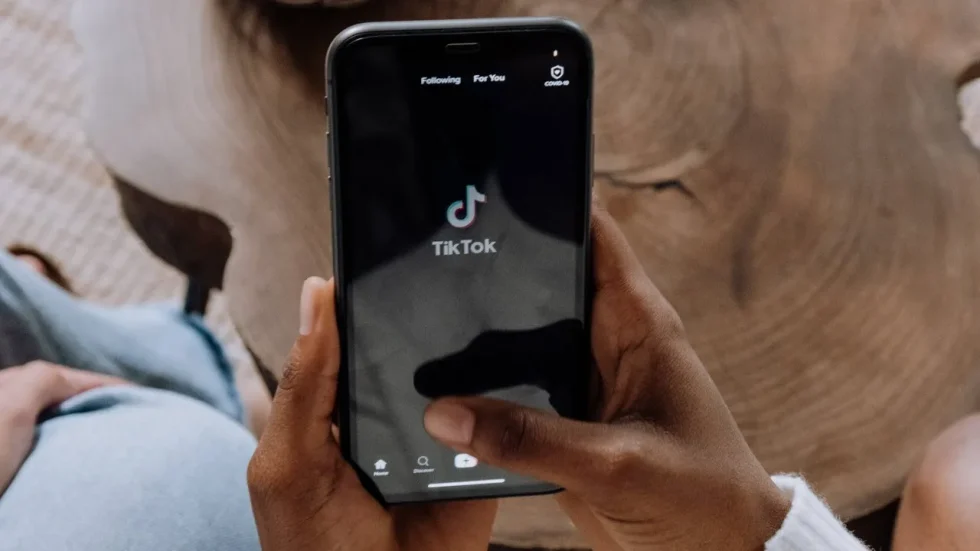
Brussels’ bond market has never been known for rhythm, but a new generation of influencers is determined to change that. Across TikTok, creators are rating EU sovereign bonds through musical duets, turning fiscal commentary into viral performance. The trend, dubbed “BondTok,” began as a parody of financial influencers but has now attracted millions of views and, reportedly, the quiet attention of the European Central Bank.
Instead of spreadsheets, these influencers use songs, filters, and emoji-based rating scales to critique the financial stability of entire nations. One viral duet features a Finnish creator harmonizing with an Italian analyst while overlaying dancing euro signs above a caption that reads “Portugal’s 10-year yield? Giving vintage volatility.” Another video ends with a user dramatically dropping a baguette to signal “French downgrade confirmed.”
The result is the EU’s most surreal financial renaissance: a cross between a karaoke contest and a bond issuance.
How “BondTok” Was Born
The phenomenon began innocently when a Berlin-based TikToker known as @FiscalFrolic posted a video explaining bond yields while lip-syncing to Dua Lipa. “It was meant as satire,” she told Lisbon Telegraph. “But people actually started asking for more analysis.” Within days, creators from Spain, Greece, and the Netherlands were producing their own versions, each using duets to react to each other’s takes.
Soon, #BondTok became a full-blown movement. Creators built collaborative threads ranking eurozone debt instruments “vibe.” Germany’s Bunds scored “AAA aura,” while Italy’s BTPs were described as “toxic but passionate.” Poland’s bonds were labeled “a soft launch,” and Ireland’s “that quiet one who’s secretly loaded.”
TikTok’s duet function, originally meant for collaborative performances, now acts as a real-time financial debate stage. Videos layer on top of one another like fiscal counterpoints. An Italian influencer sings about debt ceilings while a Greek counterpart replies with a remix about austerity.
Even major institutions couldn’t resist. The European Investment Bank’s official account briefly joined in with a video captioned “Our bonds are still hot,” featuring a mild saxophone loop. It was removed within an hour, allegedly after a call from Frankfurt.
Economic Pop Culture
Experts describe BondTok as the inevitable collision of finance and entertainment. “We’ve reached the financialization of virality,” said economist Rita Azevedo of Universidade Católica. “Influence now matters as much as interest rates.”
Indeed, market commentators have begun citing TikTok sentiment as a “soft indicator” of retail investor mood. According to data from social analytics firm TrendMetric, EU-related financial hashtags saw a 420 percent spike in engagement last quarter. “BondTok performs the emotional side of macroeconomics,” said Azevedo. “It’s not just numbers. It’s performance anxiety with choreography.”
The duets follow a familiar format. One user sings or dances to trending audio, explaining a bond concept in simplified terms. Another user then joins in with a rebuttal, sometimes agreeing, sometimes mocking. Some creators now offer “yield curve interpretations” in the style of tarot readings. One viral duo titled “Bullish on Belgium” garnered two million views, largely because of its interpretive dance featuring spreadsheets printed on scarves.
Regulators React
Europe’s financial regulators are less amused. The European Securities and Markets Authority issued a polite yet exasperated statement reminding influencers that “singing about bonds does not exempt one from disclosure requirements.” The ECB’s digital communications department has reportedly circulated an internal memo titled “Responding to Memetic Monetary Narratives.”
When asked whether BondTok could affect actual markets, ECB spokesperson Lars Meyer replied, “At this stage, we monitor for entertainment purposes only.” He later added, “But we do have a TikTok account now, just in case.”
Meanwhile, the EU Parliament’s Committee on Economic Affairs held an informal discussion about the “rise of unverified fiscal performance content.” One lawmaker was quoted as saying, “If these videos make citizens interested in debt sustainability, perhaps we should fund choreography workshops.”
The Meme Economy’s Emotional Logic
Behind the comedy lies a deeper truth. For many young Europeans, BondTok offers a playful entry point into an opaque financial world. “It’s absurd, but it’s educational,” said 23-year-old Lisbon creator Joana Silva, who performs under the handle @EuroJo. “If you can remember the dance that explains yield spreads, you’ve already learned more than school ever taught.”
Some influencers even use satire to critique inequality. One duet between a Spanish dancer and a Portuguese economist compares Northern and Southern European borrowing power through synchronized movements, Germany steps confidently while Greece wobbles to the beat. “We express fiscal imbalance through choreography,” said Joana. “It’s macroeconomics with eyeliner.”
The content also exposes the generational divide in how people consume financial information. While older investors rely on reports, Gen Z interprets markets through humor and performance. A meme caption circulating among creators reads: “If the bond yield can’t trend, is it even real?”
From TikTok to Trading Floors
The absurdity has begun bleeding into real markets. Analysts report that brief surges in bond-related search terms coincide with viral TikTok soundtracks. One asset manager admitted anonymously that his firm “checks BondTok sentiment before client calls, just in case the interns bring it up.”
Financial education apps have tried to capitalize on the trend. A new Portuguese startup, YieldBeats, now offers “dance-based investment courses,” complete with NFT badges shaped like musical notes. Users earn “credibility points” for correctly mimicking choreography linked to inflation rates.
Even the European Commission’s communications department has quietly explored partnerships with creators to “improve public engagement with fiscal policy.” One leaked email proposed a campaign titled “Deficit Duets,” which, according to insiders, was mercifully scrapped.
Cultural Consequences
Critics argue that BondTok trivializes serious financial issues. Economist Carlos Viegas warned, “The danger is not misinformation but desensitization. When debt becomes a dance, austerity becomes choreography.” Still, he admitted to following several BondTok accounts “for research and amusement.”
Cultural theorists see something larger at play. “This is late-stage capitalism performing itself,” said art critic Sofia Nunes. “When teenagers turn debt into duets, satire merges with reality. The EU bond market has finally gone postmodern.”
Museums are already catching on. The Museum of Contemporary Art in Porto has announced an upcoming exhibition titled “Liquidity and Rhythm,” dedicated to meme-based economic art. Curators plan to project TikTok duets on loop beside traditional financial documents, calling it “a dialogue between the fiscal and the physical.”
Conclusion
Whether viewed as absurd theater or digital literacy, BondTok embodies the EU’s current mood: performative, ironic, and strangely united shared confusion. It is both ridicule and revelation, a world where the 10-year yield trend can coexist with lip-sync battles.
As one influencer declared mid-dance, “Numbers may not move hearts, but beats do.” In that sense, the meme economy has achieved something the bond market never could: making Europe’s debt not only comprehensible but danceable.
Perhaps that is the truest measure of integration—when fiscal policy finally finds its rhythm.