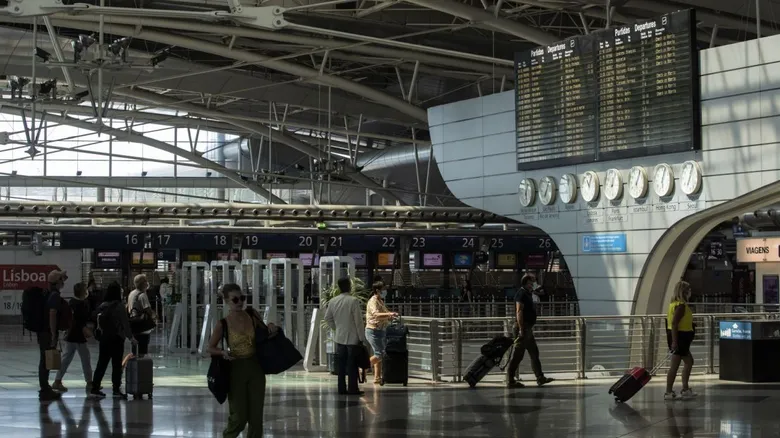
Portugal’s aviation sector is bracing for disruption as airport workers proceed with strike action, prompting authorities to step in and define mandatory minimum services. While the strike is expected to affect normal airport operations, officials have made it clear that essential flights must continue in order to protect public safety, national connectivity, and humanitarian obligations.
The decision reflects a balance between the right to strike and the need to maintain critical transport links, particularly in a country where air travel plays a central role in mobility and economic activity.
What Minimum Services Mean in Practice
Under the minimum services order, ground handling assistance must be guaranteed for specific categories of flights. These include state and military operations, emergency missions, humanitarian flights, and rescue services. In addition, at least one flight to Portugal’s autonomous regions must be ensured during the strike period.
Ground handling services cover essential activities such as aircraft parking, baggage handling, refuelling coordination, and passenger assistance. Without these functions, even aircraft that are technically able to fly would be unable to operate safely or legally.
Protecting Emergency and Humanitarian Operations
One of the central priorities of the minimum services order is ensuring that emergency and humanitarian flights are not disrupted. These operations often involve medical evacuations, disaster response, or urgent transport of supplies and personnel.
mandating continued support for these flights, authorities aim to prevent any risk to life or delays in critical assistance. This safeguard is particularly important during periods of industrial action, when uncertainty and reduced staffing can quickly escalate into broader operational risks.
Ensuring Connectivity With Autonomous Regions
Portugal’s autonomous regions rely heavily on air transport for both residents and essential goods. Requiring at least one flight to these regions during the strike acknowledges their geographic isolation and dependence on regular air links.
For residents of the islands, even short interruptions can have outsized consequences, affecting access to healthcare, public services, and economic activity. Maintaining a minimum level of connectivity is therefore seen as a matter of national cohesion rather than convenience.
Impact on Passengers and Airlines
For most passengers, the strike is likely to mean delays, cancellations, and longer waiting times at airports. Airlines may be forced to consolidate schedules, prioritise certain routes, or rebook travellers on alternative flights.
Passengers are being advised to monitor flight updates closely and to contact airlines directly for the latest information. While minimum services protect essential operations, they do not guarantee the smooth functioning of commercial flights, which remain vulnerable to staffing shortages.
The Broader Context of Labour Disputes
Airport strikes often stem from long standing disputes over pay, working conditions, or job security. Ground handling staff play a vital role in aviation safety and efficiency, yet their work is frequently invisible to the travelling public until disruptions occur.
The ordering of minimum services does not resolve the underlying issues driving the strike. Instead, it serves as a temporary measure to limit the broader impact while negotiations or legal processes continue.
Balancing Rights and Responsibilities
Strikes place governments in a difficult position. On one hand, workers have the right to collective action. On the other, airports are critical infrastructure where total shutdowns can pose serious risks.
defining minimum services, authorities attempt to strike a balance that respects labour rights while protecting essential national interests. The effectiveness of this approach often depends on clear communication and compliance from all parties involved.
What to Expect Going Forward
As the strike unfolds, attention will turn to whether minimum service levels are maintained and how effectively disruptions are managed. For passengers, the situation serves as a reminder of how interconnected aviation systems are and how quickly disruptions can ripple outward.
Ultimately, lasting stability in Portugal’s airports will depend not on emergency measures, but on meaningful dialogue that addresses the concerns of workers while ensuring reliable and safe air travel for the public.