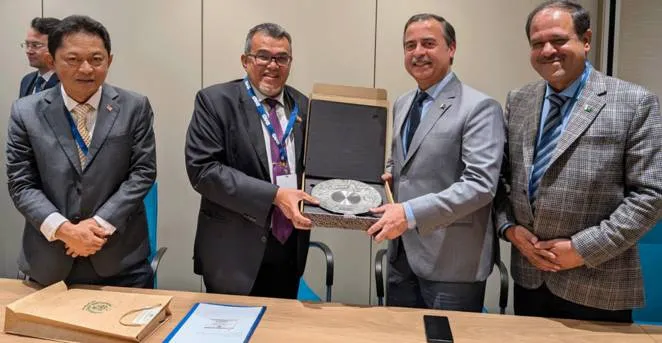
A new Memorandum of Understanding has been signed to strengthen maritime and technology training for students in Portugal, signaling a major investment in the future skills pipeline. The agreement brings together academic institutions, maritime organizations and technology partners with the goal of preparing young people for emerging careers across both sectors. Officials say the partnership reflects Portugal’s commitment to building a workforce ready for a rapidly changing global economy.
The MoU focuses on providing students with hands on learning experiences, updated training modules and access to modern equipment. Portugal’s maritime sector remains one of the country’s most important industries, and the initiative aims to ensure that students receive practical exposure to navigation, logistics, energy and ocean technology. Partners involved in the agreement stress that early training is essential for keeping the sector competitive.
Technology development is another core pillar of the new collaboration. The MoU will support programs centered on digital skills, robotics, data science and engineering. Industry leaders say that combining maritime knowledge with advanced tech training will create a new generation of professionals equipped to address challenges in sustainability, automation and coastal management. The initiative also aims to attract more young people to science and engineering fields.
Officials highlight that the partnership will create direct links between students and industry. Internship opportunities, technical workshops and joint research projects are expected to be part of the program. These connections are designed to help students transition into the workforce more easily while giving companies access to skilled talent. The MoU also encourages innovation, allowing students to test new ideas that may benefit Portugal’s blue economy.
Portugal’s education sector has welcomed the agreement, noting that it aligns with national strategies to modernize vocational and higher education. Schools involved in maritime training say the new collaboration will help update outdated curricula and integrate technologies used in real world operations. Tech institutes expect the partnership to expand access to equipment and software that students may not typically have.
The government views the MoU as an important step toward strengthening Portugal’s role in European maritime leadership. combining maritime heritage with advanced technology training, officials believe the country can position itself as a hub for innovation in ocean industries. The initiative also supports EU wide objectives related to digital transformation and sustainability.
Local communities are expected to benefit as well. Expanding training programs can increase job opportunities, support regional development and encourage students to pursue careers connected to Portugal’s coastal economy. Leaders believe this will help retain talent and drive long term economic growth in maritime regions.
As the MoU enters its implementation phase, partners say they are committed to building programs that deliver tangible benefits for students. The next steps will include mapping training needs, coordinating resources and launching initial pilot projects. With strong collaboration from industry and education, the initiative aims to shape a skilled, future ready workforce.